• Recipe List
  • Sophie

Stories from the Stove

Stories from the Stove

Tag Archives: Fruit

A word about limes

15 Thursday Mar 2012

Posted by Sophie James in Recipe

≈ 3 Comments

Tags

Citrus, Cooking, Food, Fruit, Ingredients, Los Angeles, Recipes, Stories
IMG_6614

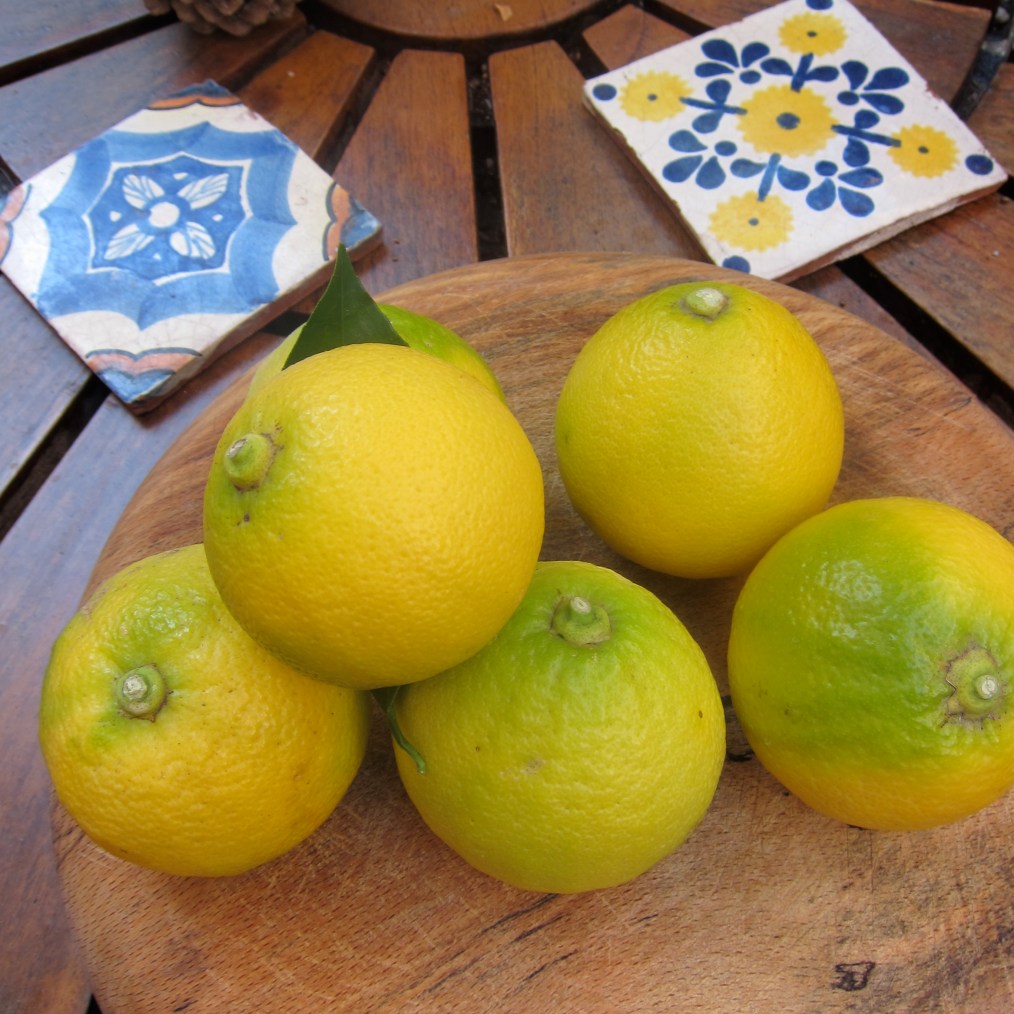
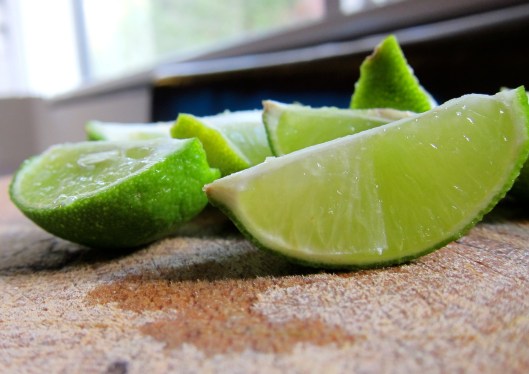
Although lemons and limes are often used interchangeably (and both names come from the Arabic word limah), limes are noticeably different: stronger, sharper, almost darker in taste. Whereas lemons grow well in a Mediterranean climate with long, dry spells and poor soil, true limes favour the tropics. The little beauties above came from an expedition we took to a Mexican supermarket in the valley. So taken were we with the meat section – pickled pigs’ ears daintily presented in trays, sheets of beef honeycomb tripe that looked almost marine-like, and the wonderfully labelled “beef feet” – that we temporarily forgot why we had come, which was to find proper Mexican limes. These nuggets of blistering juice are pretty standard in Mexican cuisine: spritzed over avocados, as a way of ‘cooking’ fish in a ceviche, in margaritas, mixed with sea salt and squeezed into a cold beer, mixed with salt again and sprinkled over chunks of mango, as well as being the star of the show in limonada.

I am embarrassed to say I have often been at a loss as to how to best employ limes. It was only when I chanced upon them at the farmers’ market that I gave them any real thought. These were Persian and Palestine sweet limes, the difference here being the lack of acidity which creates an exceptionally mild flavour. What character they have is concentrated in the rind, which has a light, clean, fresh pine aroma, so I used this in a curd and simply ate the fruit which was at least succulent, and, for an added bonus, apparently cures “everything.”

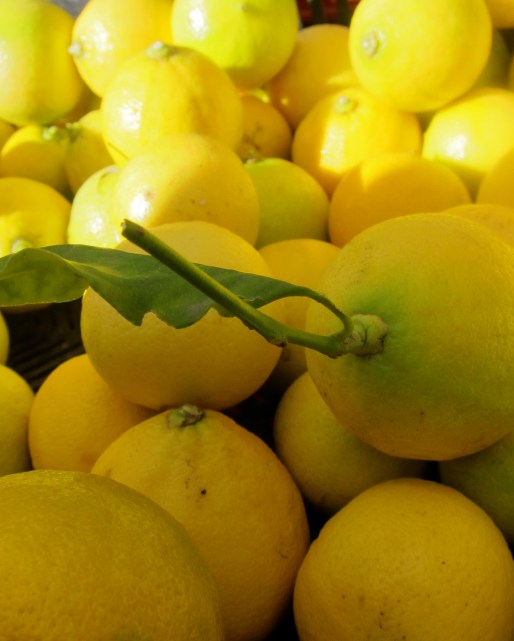
Tarter and more piercing are the California-grown Key limes. Interestingly, these are lemon-yellow, which according to my sage at Mud Creek Ranch – who patiently puts up with my endless battery of questions – is their natural colour here; green rind can actually be an indication of the fruit’s unreadiness. They are hell to pick. The branches have thick, angry thorns that slash the skin and make it itch for days. The fact that they can grow here at all is due to an amazing micro climate at the ranch, where they flourish alongside bananas and cherimoyas.

I was surprised to find that my brief investigation into US recipes for lime yielded little apart from Key Lime Pie, a local speciality from Florida’s coral islands – the keys – which is made with the juice of the fruit (Citrus aurantifolia ‘Swingle‘), eggs and condensed milk. The lime’s acidity cleverly ‘cooks’ the pie, and this is possibly why the first recorded recipe came from local sponge fishermen who had no access to refrigeration or a stove (and obviously went through a lot of condensed milk). Semi-wild limes still grow in the area to this day, though they are no longer cultivated due to the 1926 hurricane which destroyed all the citrus groves. Growers replaced the Key Lime trees with Persian Lime because they are easier to grow and pick, but have none of the original’s arresting flavour.

I don’t know whether it’s because I’m a Northerner (as in I hail from Northern Europe), but I am instinctively drawn to the more lumpen uses for fruit –  a baked pudding, a warm tart, a crater of puff pastry exuding steam, something thick and hopefully syrupy within, so lime marmalade was pretty much a given for me to try, if only to plunder my childhood memories of Rose’s fluorescent version, with its dainty green shred.

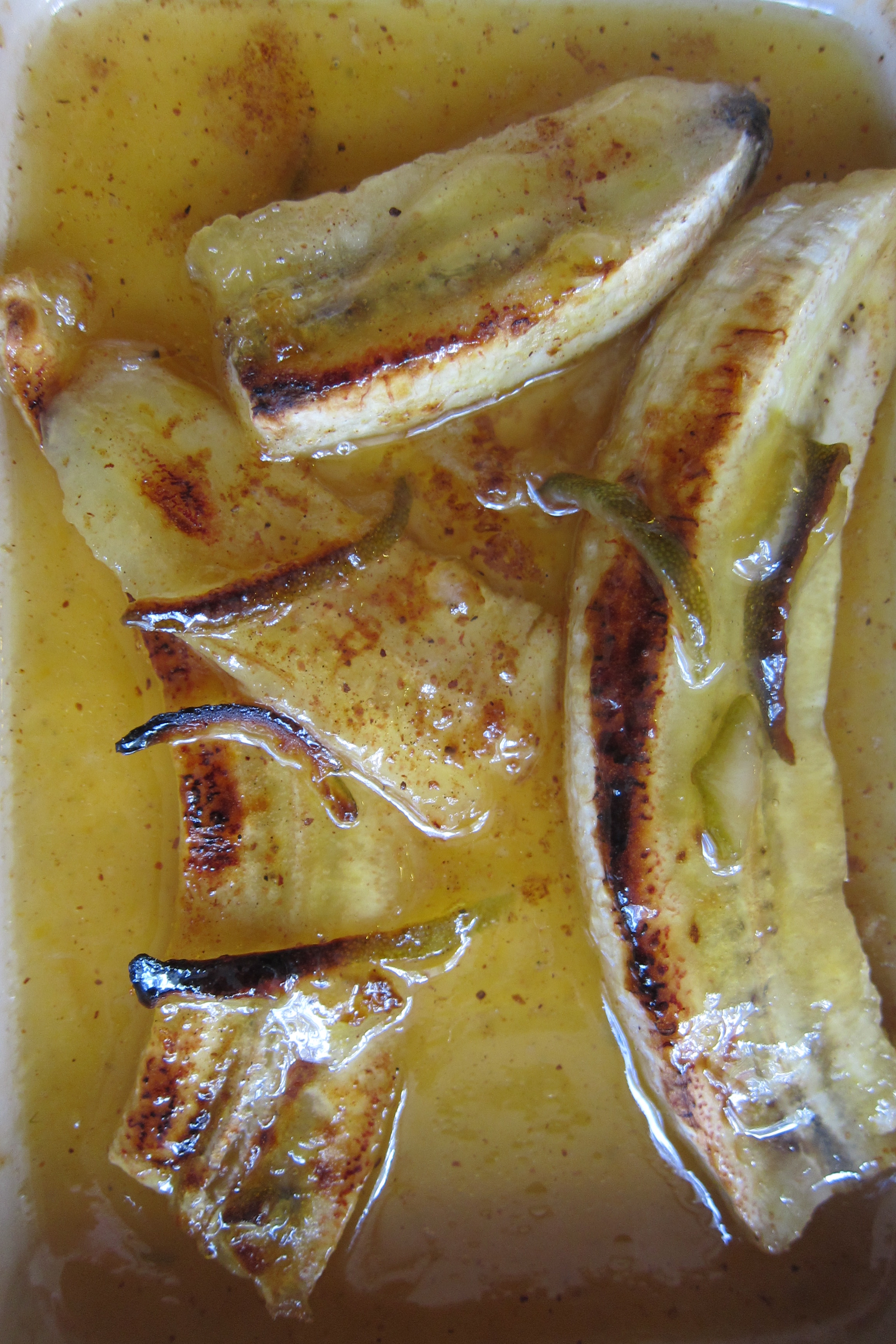
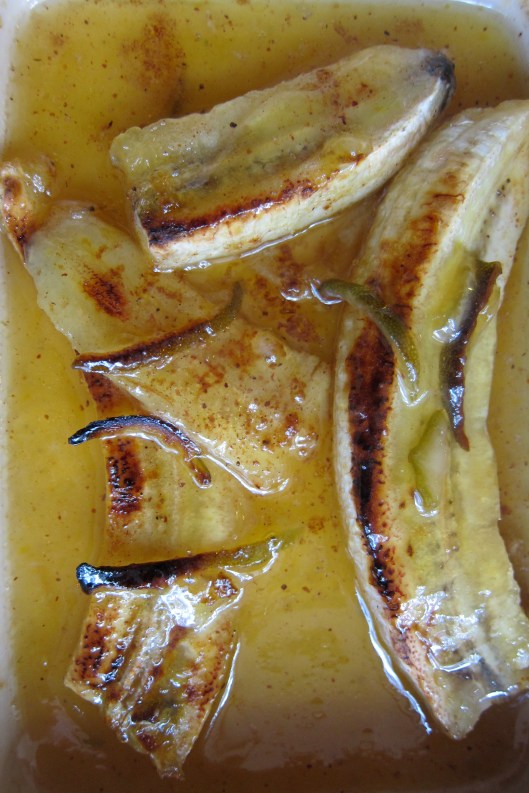
Grilled bananas with lime marmalade and spices
IMG_6587 
Bananas are best eaten in the spring, according to the experts, so this recipe can make you feel doubly smug. If you haven’t got round to making the lime marmalade – or never intend to – then a squeeze of lime would also work here. Serving this with something creamy is essential if you want the syrup to matter. Thick yoghurt is good in the morning, cream at other times, and add almonds if you want a more interesting texture. Lime is a friend of the banana and opposites definitely attract in this case; soft and placid meets brisk and glossy, yet somehow each makes the other more itself in the process.

Serves 2

2 bananas

2 tbs of juice from an orange or tangerine

2 tbs lime marmalade with shred (or lime juice)

Pinch of nutmeg

Pinch of cardamom

1 tbs butter

Peel the bananas and slice them in half, lengthways. Lie them cut side up, in a shallow baking dish. Mix the marmalade and juice together and spoon over the bananas. Dot with butter which has been mixed with the ground spices. Grill until soft and brown (about five minutes). Scatter with toasted slivers of almond if you have them, and serve with either yogurt or cream. You could also try grilling the whole fruit, unpeeled, until black, tearing off a strip of skin to eat the hot, banana fondant within, and serve the syrup separately.

Interesting fact; British explorers and traders in the West Indian colonies used limes to prevent scurvy, which is why we’re still called ‘limeys’ to this day.

Steering clear of the sweet: Yotam Ottolenghi is a fan of lime. His Iranian legume noodle soup uses the juice to cut through soured cream, and lime halves accompany his corn and squash fritters. If you’re a fan of pickles, then pickled limes can be used as the basis of a sour relish for spicy dishes, and anything with an Indian bent.
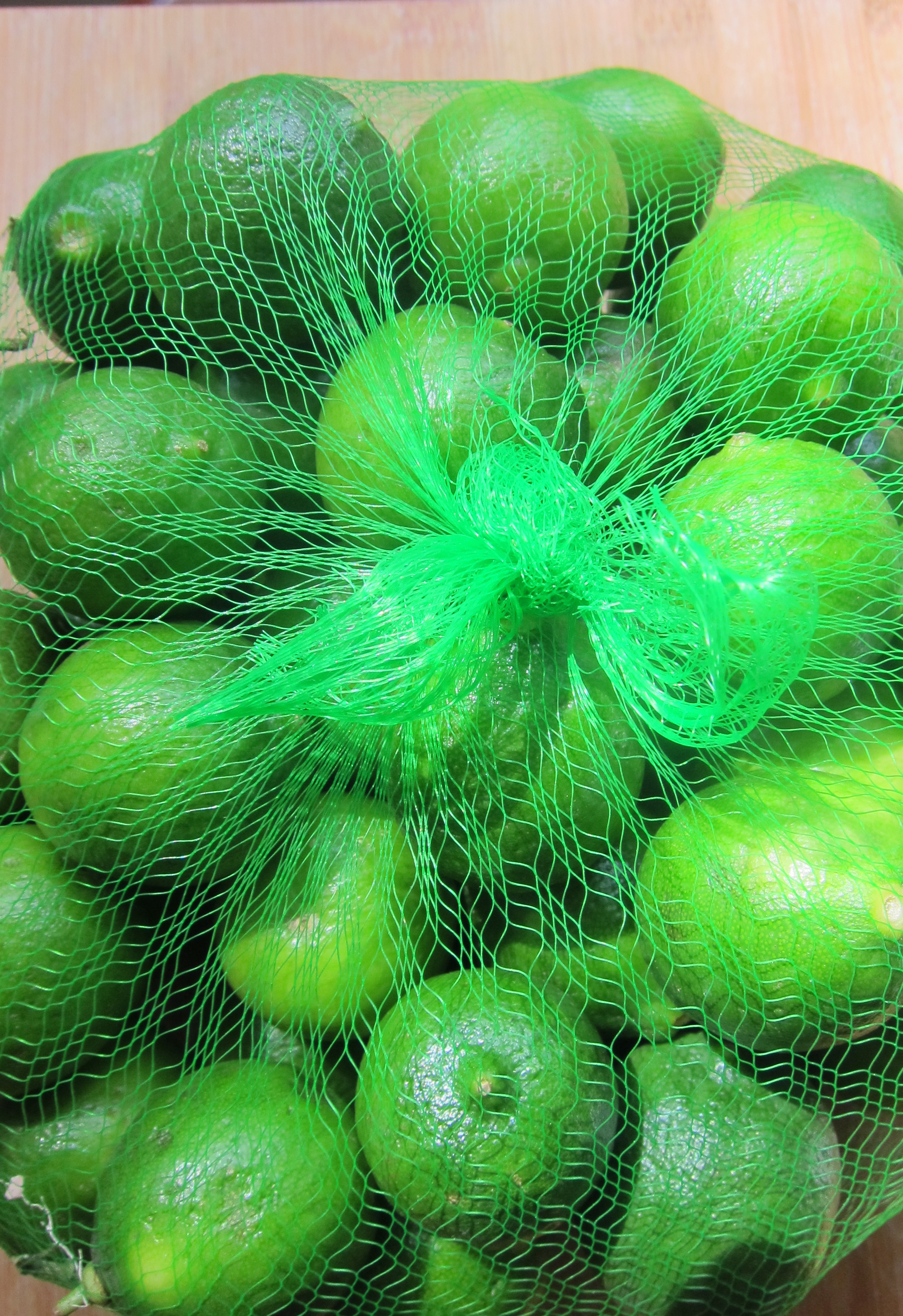
Mexican limes
Share this:

  • Share on X (Opens in new window) X
  • Share on Pinterest (Opens in new window) Pinterest
  • Share on Facebook (Opens in new window) Facebook
  • More
  • Share on Reddit (Opens in new window) Reddit
  • Share on LinkedIn (Opens in new window) LinkedIn
  • Share on Tumblr (Opens in new window) Tumblr
  • Print (Opens in new window) Print
  • Email a link to a friend (Opens in new window) Email
Like Loading...

Lemon Curd

20 Monday Feb 2012

Posted by Sophie James in Recipe

≈ 1 Comment

Tags

Breakfast, Citrus, Food, Fruit, Ingredients, Lemons, Recipes

IMG_6120

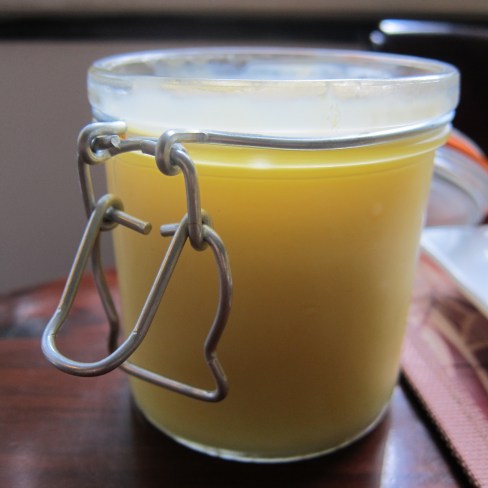
Lemon curd is so simple to make, it’s almost off-putting. Hard to imagine that whisking eggs, butter, sugar and lemon juice in a pan on the stove for a bit could yield anything other than a hot mess. And yet if there was ever such a thing as sunshine in a jar, this is it: bright, tangy, soft as velvet, and delicious eaten briskly cold on hot toast. 

Fruit curd was originally made in stone pots that stood in pans of hot water and were then stored on the still-room floor – a room that was used as a distillery for herbs, medicines and alcohol in medieval times, and later for the storage of jams and jellies. And why curd? In this instance, the word appears to come from curdling (ironically the only thing you don’t want it to do). Some like their curd yolkier than this, but for my money Delia Smith’s ratio is unimprovable. I find whisking rather than stirring creates a lighter texture with a touch more wobble to it, but if solid is what you’re after, use a wooden spoon.

Lemon Curd

Adapted from Delia Smith’s recipe

Makes about 3 8oz/half pint jars (with some left over for immediate use)

Grated zest and juice of 4 large, organic, unwaxed lemons

4 large eggs

350g organic cane sugar

225g unsalted butter at room temperature, cut into cubes

Sterilise the jars by putting them through a cycle in the dishwasher and then transferring them to a warm oven for ten minutes. Whisk the eggs lightly before adding them to a non-stick pan. Finely grate the zest of the lemons (no bitter white pith), squeeze out the juice and add both to the pan along with the sugar. Very gently heat while continuing to whisk with a balloon whisk until it starts to thicken (8-10 minutes). Slightly increase the heat and continue to whisk for a couple more minutes, but do not let the curd boil or you’ll have scrambled eggs.

Remove from the heat, and add the cubed butter, stirring to mix. Make sure the butter has completely melted into the mixture before straining the curd into the sterilised jars. If you like a grainier texture, add some fresh zest. Seal immediately. Even if the curd feels thinner than you would like, it will continue to thicken as it cools. You can’t ‘can’ home-made curd; commercial curd has thickening agents and artificial preservative in order to make it shelf-stable. But what the heck. Lemon curd keeps for up to a month in the fridge and is lovely given as a gift. I know of no one who can refuse it.

Thoughts on lemons

Curd made with the sweeter, milder Meyer lemon blooms gently in the mouth. If you want more of a kick, go for Eureka, Lisbon or Ponderosa. Add intrigue with some lime juice and zest.

What else to eat it with

Spread on a grilled slice of cake or dollop/wallop it into thick berry-strewn yoghurt. American-style pancakes (small, densely stacked, evil) straight from the pan and served with curd and a curl of creme fraiche would make a decadent brunch. And finally, a pot of lemon cream: Mix three heaped tablespoons of lemon curd with the same of Greek yogurt and creme fraiche, some lemon zest and a spritz of lemon juice, and you have a heart-stopping (hopefully not literally) devil of a dessert, which also works well as an accompaniment to a warm pudding. Ta da.

Share this:

  • Share on X (Opens in new window) X
  • Share on Pinterest (Opens in new window) Pinterest
  • Share on Facebook (Opens in new window) Facebook
  • More
  • Share on Reddit (Opens in new window) Reddit
  • Share on LinkedIn (Opens in new window) LinkedIn
  • Share on Tumblr (Opens in new window) Tumblr
  • Print (Opens in new window) Print
  • Email a link to a friend (Opens in new window) Email
Like Loading...

stp, before 10am

13 Monday Feb 2012

Posted by Sophie James in Recipe

≈ Leave a comment

Tags

Baking, Breakfast, Dessert, Food, Fruit, Ingredients, Recipes

image

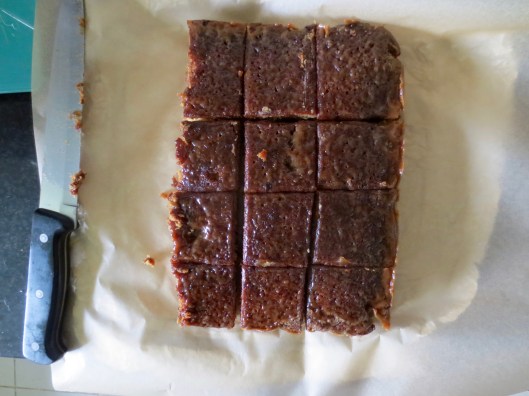
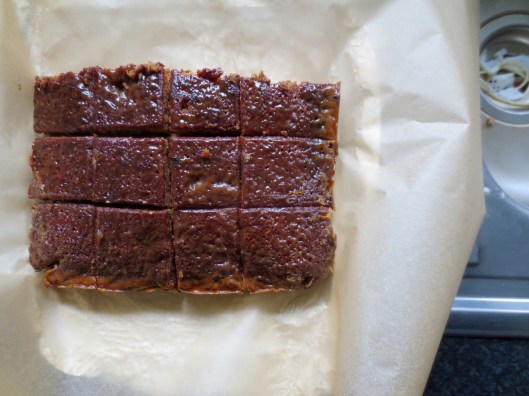
Plump, soft dates lend themselves to warm puddings and, yes, I have served this at breakfast time and got away with it. Given its name, sticky toffee pudding has none of the leaden qualities you would expect, and is actually well suited to the breakfast table; rich but not heavy, and rather muffin-like in texture.

I started off trying to perfect a sticky toffee pudding recipe using Jane Grigson in English Food as my source; Francis Coulson apparently invented it in 1948 at his country house hotel at Sharrow Bay on Ullswater, and it’s been fairly unmessed with ever since. Dates, softened with boiling water and bicarb, are added to a basic cake mixture which is then baked and served slathered in piping hot, toffee sauce.

I couldn’t perfect it; it is already exactly as it should be. All I did was add the juice and zest of an orange because it counteracts the rich effect of the dates and gives it a nice early morning brio. Blood oranges are in season, and their tartness is a good foil for the sweetness, but use whatever is available. Raisins also help keep the cake moist, adding pop and juice.

IMG_0884

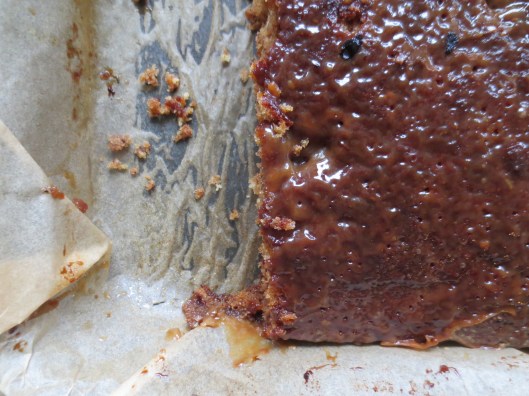
I  gave the finished cake a light dousing with the toffee sauce and grilled it as the toasted stickiness reminded me it was intrinsically pudding and messy that way. To be eaten with vanilla ice cream I should think, or yoghurt if before 10am.

Sticky Toffee Pudding

Lightly adapted from Jane Grigson, English Food

I’m not entirely convinced that you need to liquefy the dates with water and bicarb. Or at least I’m not entirely convinced about the bicarb, which if you can taste it even minutely, is revolting and tinny on the tongue. Other recipes advise simply chopping the dates very finely, which I’ve tried and also like. You could perhaps try both. Here I’ve stuck to the original for ease and because it’s still delicious (though have reduced the amount of bicarb).

175g dates, stoned and chopped

1/2 teaspoon bicarbonate of soda

175g caster sugar

60g unsalted butter, softened

2 free range eggs (at room temperature)

175g self-raising flour, sifted

pinch of sea salt

Finely grated zest and juice of 1 blood (or normal) orange

Large handful of raisins (optional)

For the toffee sauce:

140g unsalted butter

200g light muscovado sugar

6 generous tablespoons of double/heavy cream

Pinch of sea salt

Zest of 1 orange

Pre-heat the oven to 180C/350F. Butter a square cake tin approximately 24cm x 24cm.

Make the sauce by putting all the ingredients into a pan. Heat slowly until the butter has melted, then turn up the heat and bring to the boil. Simmer for 3 minutes. Add more salt if you like it salty, as is the current style.

Put the dates and raisins in a saucepan, add 250ml of boiling water and bring to the boil. Remove from the stove, stir in the bicarb and leave to stand.

Beat together the butter and sugar until fluffy, and then gradually beat in the eggs. Fold the flour and salt gently into the batter and add the orange zest. Once the dates and raisins have soaked up all the water, add this to the cake mixture along with about 3 tablespoons of juice from the orange, or a hearty squeeze. Don’t over-mix.

Pour into the cake tin and bake for about 30-35 minutes or until a skewer comes out clean.  Then puncture holes over the top of the cake and pour over half the toffee sauce. Heat the grill to medium, and put the pudding briefly underneath, keeping an eye on it as it can easily burn. Serve with the remaining toffee sauce, along with a dollop of ice cream for dessert (fresh ginger ice cream works beautifully), or as is at any other time.

If you want to store this cake before eating, leave it toffee-free and keep the sauce in the fridge. Then, when it’s close to serving time, poke the cake all over and douse with the sauce, cover the cake in foil, gently re-warm in the oven at 150C/300F for about 20 minutes. Finish off with a blast from the grill.

IMG_0897


Share this:

  • Share on X (Opens in new window) X
  • Share on Pinterest (Opens in new window) Pinterest
  • Share on Facebook (Opens in new window) Facebook
  • More
  • Share on Reddit (Opens in new window) Reddit
  • Share on LinkedIn (Opens in new window) LinkedIn
  • Share on Tumblr (Opens in new window) Tumblr
  • Print (Opens in new window) Print
  • Email a link to a friend (Opens in new window) Email
Like Loading...

A word about bergamots

12 Sunday Feb 2012

Posted by Sophie James in Recipe

≈ 1 Comment

Tags

Fruit, Herbs, Los Angeles, Stories

Ber-ga-mot from the Turkish ”beg-armade” which means “Lord’s Pear”

Image

Citrus Bergamia Risso

The bergamots I used in the marmalade recipe were the less photogenic, exceptionally bitter Italian kind (citrus bergamia risso) rather than their sweeter, more fragrant French counterparts (citrons doux). ‘Balmy’ has been a word accurately used to describe the sensation of eating marmalade made exclusively with the Italian bergamotto. The sour, cheek-chewing intensity is always welcome in a marmalade but too much floral bouquet and it’s like eating a jar of Yardley.

The bergamot season is late and short – January to February – and as there are only three fruiting bergamot trees in the whole of southern California you should start chatting up the fine people at Mud Creek Ranch, and get in there before the restaurateurs do. Calabria in Southern Italy is where 80 percent of the world’s bergamot is grown with southern France also a producer, so you may still get lucky if you live in Europe.

This is an interesting one: Monarda fistulosa is an aromatic woodland herb, a member of the mint family, and native to North America. It is called ‘bergamot’ because its scent is very close to that of the bitter citrus but has nothing whatsoever to do with it, and is not the source of the bergamot essential oil used in Earl Grey tea and approximately half of all women’s perfume. The herb is also known as Bee Balm for its ability to attract bees and butterflies. Who knew?


Share this:

  • Share on X (Opens in new window) X
  • Share on Pinterest (Opens in new window) Pinterest
  • Share on Facebook (Opens in new window) Facebook
  • More
  • Share on Reddit (Opens in new window) Reddit
  • Share on LinkedIn (Opens in new window) LinkedIn
  • Share on Tumblr (Opens in new window) Tumblr
  • Print (Opens in new window) Print
  • Email a link to a friend (Opens in new window) Email
Like Loading...

Bergamot and Orange Marmalade

05 Sunday Feb 2012

Posted by Sophie James in Recipe

≈ 6 Comments

Tags

Breakfast, Citrus, Cooking, Fruit, Ingredients, Los Angeles, Recipes, Stories


Today I picked up my first stash of bergamots (below) from Mud Creek Ranch at the Hollywood Farmers’ Market. Knowing only of the bergamot oil in Earl Grey tea and various beauty products, it was exciting to have one in the hand. In appearance it resembles a gnarly, yellowy-green orange. The first thing I did was dig my nail into the peel to see if it would offer up that unique perfume and it still lingers as I write this two hours later; a searingly bright and fizzy citrus scent, with earthy, oily undertones. A kind of Earl Grey champagne, if you can imagine such a thing

Neat bergamot marmalade would probably take your eyebrows off – it has an intensity so startling and heady (surpassing even Seville oranges) that it would be wise to temper it with a gentler presence. Here, I’ve used sweet oranges and a couple of Meyer lemons, but you could also try something from the tangerine family.

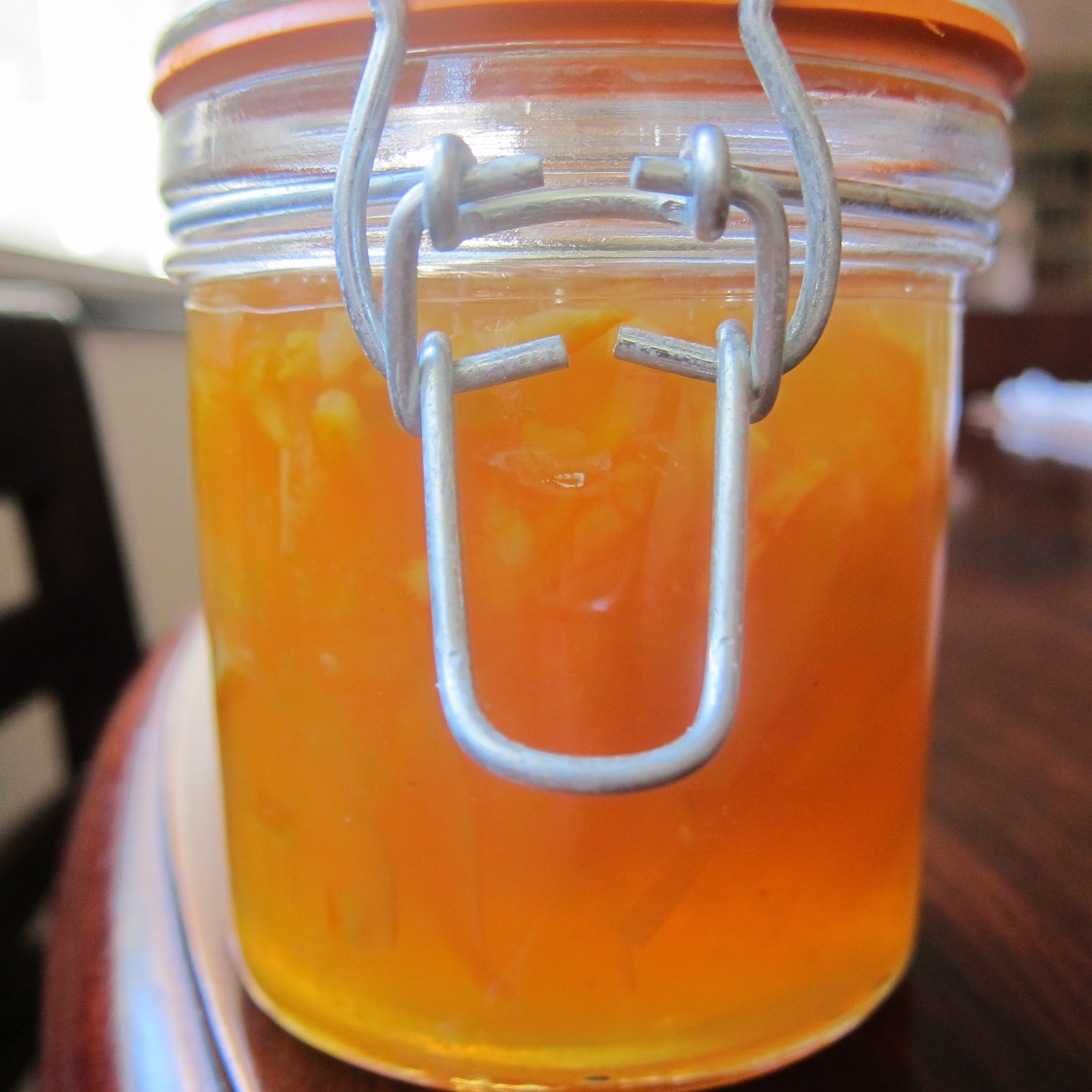
This is a British-style, clear marmalade with a loose set and a generous scattering of peel throughout – though apparently the less peel, the more British. It is on the bitter side, as marmalade should be, and is best eaten slathered on hot, buttered toast at any time of the day or night. Fills about 6 8oz/half pint jam jars.

IMG_1406

Bergamot and Orange Marmalade

Adapted from Delia Smith

6 Bergamots

6 Navel oranges

2 Meyer lemons

1.35 kg (3lbs) organic cane sugar

Begin by squeezing the juice from the bergamots, oranges and lemons into a jug. Remove all the pulp, pith and pips as you go and place them on a square of muslin or cheesecloth laid over a bowl; this contains the pectin which will enable your marmalade to set. Now cut the peel into shreds and add it to the juice. I like mine fine cut, but you may prefer a chunkier, more manly  ‘lade. As you go, add any lingering pith or pips to the muslin. When you’re done, add 3 pints (6 cups) of water to the juice and peel, tie up the muslin to form a small bag – make sure nothing will escape – and add that too. Leave in a cool place overnight.

The next day, tip the juice and peel into a large saucepan, or preserving pan, and tie the muslin bag to the handle so that it bobs like a cork in the liquid  (but doesn’t touch the bottom). I add an extra pint (2 cups) of water here as I find the muslin bag draws up a lot of the juice even after I’ve wrung it out a few times.

Now is the time to put some saucers in the freezer so you can begin testing later. Bring the liquid gently to the boil and then lower the heat and simmer. It is ready when the peel is completely soft – you can test a piece by pressing it between your finger and thumb. This can take anything from 35 minutes to an hour and a half; be aware that once sugar meets rind, it will no longer soften. Pour your sugar into a roasting dish and warm gently in the oven (200F) for about 10 minutes. This helps it to dissolve quickly later.

When the peel is ready, lift out the muslin bag and leave it on a plate until it’s cool enough to handle. Pour the sugar into the pan and stir over a very low heat until it has dissolved. When there are no crystals left, increase the heat and bring the marmalade to a rolling boil. Now squeeze every last bit of the jelly-like pectin that oozes from the muslin bag into the pan (I use a spoon to cream it off). Every little helps here, so be vigilant. Skim off any froth or scum that comes to the surface and leave the marmalade at a fast boil for 15 minutes. Now put a tablespoon of it on one of the cold saucers and let it cool in the fridge. If when you push the marmalade with your finger the mixture crinkles like a furrowed brow, then you have a ‘set’.  Keep testing at 10 minute intervals until it has reached setting consistency. If you find this too much of a faff, a thermometer is a reliable alternative; when it reads 221F (105C), it’s ready.  Leave the marmalade to settle for about 15 minutes otherwise all the peel will float to the top of the jar. Ladle into sterilised jars and seal immediately. Label when completely cold. See the Self-Preservation post on how to keep things clean and safe.

A bit more on bergamots here.

Share this:

  • Share on X (Opens in new window) X
  • Share on Pinterest (Opens in new window) Pinterest
  • Share on Facebook (Opens in new window) Facebook
  • More
  • Share on Reddit (Opens in new window) Reddit
  • Share on LinkedIn (Opens in new window) LinkedIn
  • Share on Tumblr (Opens in new window) Tumblr
  • Print (Opens in new window) Print
  • Email a link to a friend (Opens in new window) Email
Like Loading...
Newer posts →

Enter your email address to follow this blog and receive notifications of new posts by email.

Join 2,216 other subscribers

Top Posts & Pages

Early Nigel
Plums and Pluots
Recipe List
Power of two
Frilly
Pause

Recent Posts

  • At my allotment
  • A compendium of sorts
  • Mulberries
  • We are nature
  • Leaving home
  • A treacherous herb
  • Just stop it
  • Why I swim

Great books I’ve read

Blogs/Websites I read

  • Letitia Clark
  • Nigel Slater
  • Room to heal
  • Samantha Harvey
  • Stewart Lee
  • The Kureishi Chronicles
  • The Marginalian
  • Tom Cox
Follow Stories from the Stove on WordPress.com

Archives

  • June 2023
  • February 2023
  • September 2022
  • August 2022
  • July 2022
  • May 2022
  • February 2022
  • December 2021
  • August 2021
  • April 2021
  • March 2021
  • January 2021
  • June 2020
  • November 2018
  • August 2017
  • July 2017
  • May 2017
  • April 2017
  • February 2017
  • January 2017
  • November 2016
  • May 2016
  • October 2015
  • July 2015
  • June 2015
  • April 2015
  • March 2015
  • January 2015
  • December 2014
  • November 2014
  • October 2014
  • September 2014
  • August 2014
  • July 2014
  • June 2014
  • May 2014
  • April 2014
  • March 2014
  • February 2014
  • January 2014
  • December 2013
  • November 2013
  • October 2013
  • September 2013
  • August 2013
  • July 2013
  • June 2013
  • May 2013
  • April 2013
  • March 2013
  • February 2013
  • January 2013
  • December 2012
  • November 2012
  • October 2012
  • September 2012
  • August 2012
  • July 2012
  • June 2012
  • May 2012
  • April 2012
  • March 2012
  • February 2012
"A WOW piece!" Claudia Roden on Walnut Bread

Walnut bread

Lucas’s chocolate marmalade slump

Tags

Afternoon tea Allotment Almonds Art Autumn Baking Bread Breakfast Cafes Cake Childhood Chocolate Christmas Citrus Claudia Roden Cookbook Cooking Dessert Devon Dinner Elizabeth David England Exmoor Fish Food France Fruit Gardening Gelato Gluten-free Herbs Home Homesickness Honey Ice cream Ices Ingredients Italy Jam Jane Grigson Lemons London Los Angeles Lucas Hollweg Marmalade Meat Mediterranean Meyer lemons Nature Nigel Slater Nonfiction Nuts Onions Patience Gray Poetry Pudding Reading Recipe Recipes Salad Sea Seasons Soup Spain Spices Spring Stone fruit Stories Summer Sussex Travel Vegetables Winter Writing Yoghurt

A WordPress.com Website.

Privacy & Cookies: This site uses cookies. By continuing to use this website, you agree to their use.
To find out more, including how to control cookies, see here: Cookie Policy
  • Subscribe Subscribed
    • Stories from the Stove
    • Join 2,084 other subscribers
    • Already have a WordPress.com account? Log in now.
    • Stories from the Stove
    • Subscribe Subscribed
    • Sign up
    • Log in
    • Report this content
    • View site in Reader
    • Manage subscriptions
    • Collapse this bar
 

Loading Comments...
 

    %d