Jammy

Tags

, , , , , , , ,

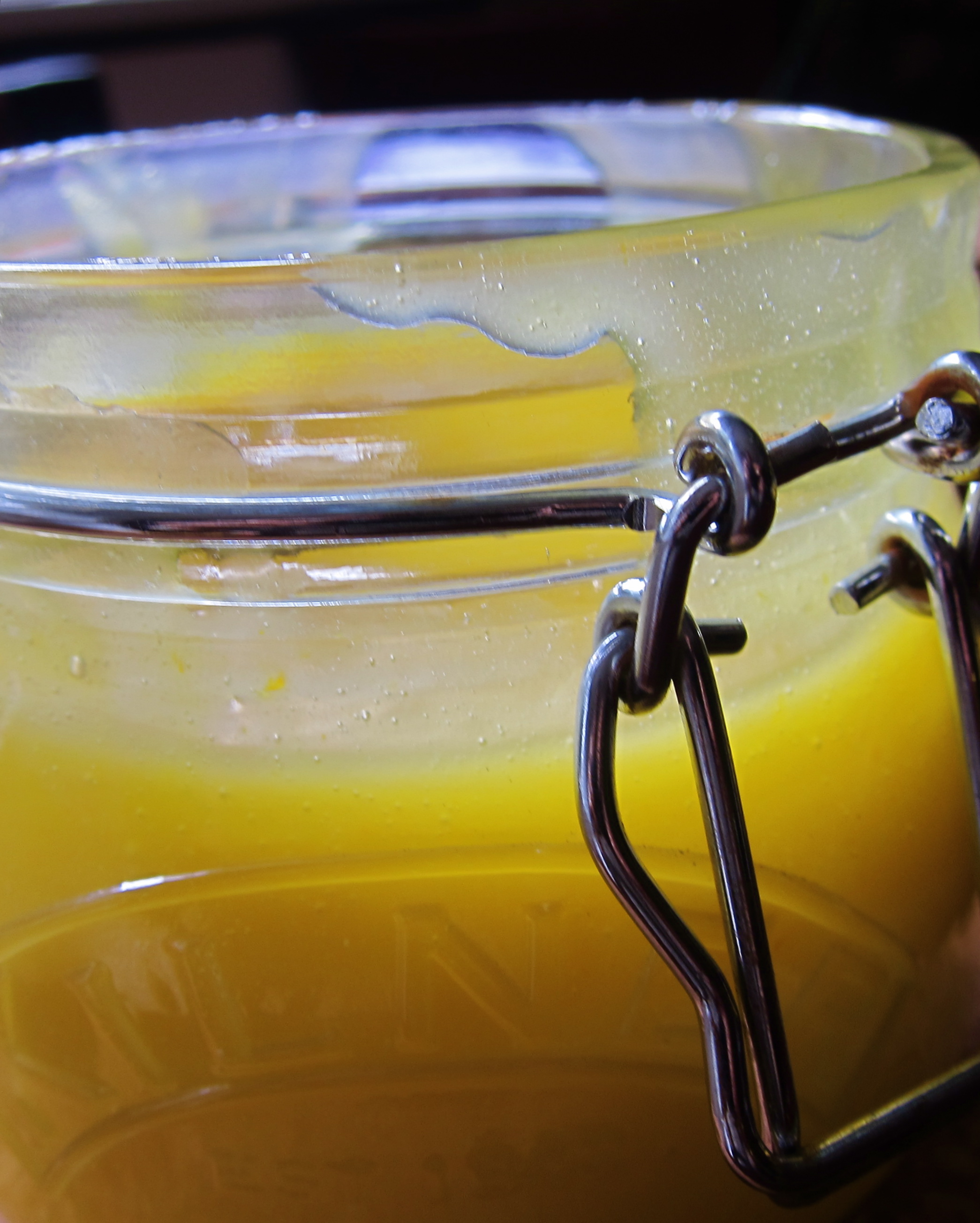
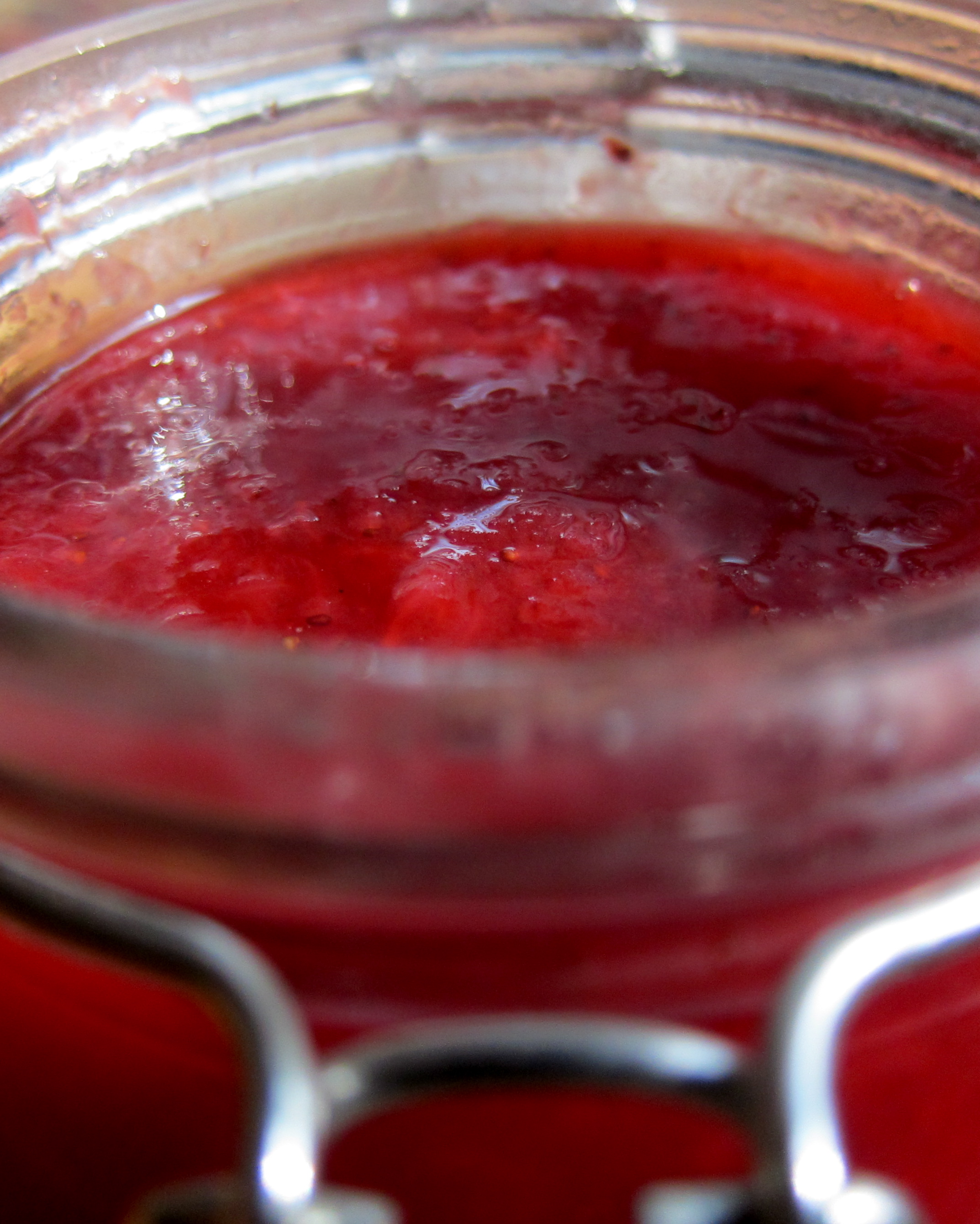
I feel not particularly enamoured of jam and I’m not much of a jam maker as a result. Perhaps it is because of the often unrelenting sweetness. And the strawberries I had to hand were already sweet, so adding sugar and watching the whole thing boil volcanically in a pot seemed far too one-dimensional for my tastes; a cascade of red, sugary lava. But enter lemon juice and the jam became richer, tarter and more interesting. The strawberries became altogether more themselves. I upped the ante with the lemon juice because I wanted my jam with a bit of spine. However, balsamic vinegar is also an option; according to Nigella Lawson, they make the strawberries “strawberrier.” I believe her. If you can preserve some of the berries in their whole state, this would lend the jam a jewel-like aspect, I should imagine. Mine fell apart, a quivering mess.

Felicity Cloake’s recipe was the one I plumped for. She advocates the juice of two lemons and I went for three, but other than that, I followed her to the letter. She did all the homework, testing and tasting, and I just did what I was told. Sometimes I like that about recipes.
IMG_1937

I’m not sure what it is about strawberries I don’t trust. Perhaps it’s that they no longer taste as they once did, or look neat or darkly red enough. Small lobes of crimson was what I remember, studded with yellowing seeds. And the taste was concentrated, sturdy, and there was juice, goddamit. I doubt what passes for cream nowadays is really the strawberry’s natural mate (what is?). Perhaps leave the cream for the raspberries to come, and simply macerate the strawbs’ – mashed up a bit – in some sugar. There’s something lovely about watching them leach their winey juice. Anyway, the jam was very good – a soft set, but definitely jam as opposed to strawberry sauce.

It is good spooned straight from the jar, Pooh-style. A warm, buttered scone is lovely, with the requisite pot of tea alongside. Here you have cold jam caving into a yellow pat of butter, and of course there are dancing crumbs to lick. But honestly, if you have some homemade strawberry jam, try it with some fresh cream cheese – a version of coeur à la crème. The plainness is the thing, substantial and not overly sweet, lemon-flecked, but not trying to compete. And if you have some good strawberries to hand, by which I mean on the small side, uniformly red, no whiteness within and definitely not hollow, then resist the temptation to cook them at all. No cobblers, pies or tarts, no jam, no heat, no flame. Let them rest. They’ve been through enough.

Coeur à la crème

This is a standard French country dish to serve with soft fruit and to showcase preserves in the winter months such as apricot and strawberry. It’s made using fromage frais – fresh curd cheese – and either crème fraîche or double cream. Yogurt cheese or cream cheese, such as mascarpone, can be used instead of the fromage frais. If you want to set it in a heart-shaped mould, which is traditional, then the cheese and cream need to be drained through muslin overnight. The heart-shaped mould will have holes in it, so you will have, quite literally, a bleeding heart (whey, in this case, not blood though). If you don’t drain the cream cheese mixture, it will be a bit swimmy, but no one has complained so far.

Lucas advocates serving these with some strawberries soaked in red wine and basil leaves, which is also lovely. Or do both – jam and wine-soaked berries. Although it sounds it, it isn’t overkill. Think ‘islands in the stream’ (that is what we are etc).

Inspired by and adapted from Lucas Hollweg, Good Things to Eat

½ a vanilla pod, split lengthways, or a few drops of natural vanilla extract

250g (9 oz) cream cheese*

250ml (9fl oz) double/heavy cream

2 tbs caster/superfine sugar

Zest of ½ a lemon

Scrape the seeds from the vanilla pod and whisk into the cream cheese (or add a few drops of vanilla extract). Pour in the cream, sugar and lemon zest and whisk everything together until well combined.

As you can see, I used a cookie cutter here to get some sort of shape. I put the moulds in the fridge to set; this is where you might want to drain off any liquid that has collected before serving.

*Interesting cream cheeses

I used a goat’s cream cheese here from the Meyenberg company, in Central California, but there are other lovely ones to try. Neufchâtel (from which American cream cheese is derived) is one. Cowgirl Creamery does fromage blanc (though I’ve yet to try it) and Creole cream cheese, listed in the Ark of Taste, and championed by Deborah Madison, was made originally by French settlers in New Orleans and is making a comeback. So if you’re down that way, nab some; apparently, it works very well in coeur à la crème. Failing that, Philadelphia is not to be sniffed at; go for the full-fat version.

Strawberry jam

Adapted from Felicity Cloake, Word of Mouth, The Guardian

Makes 4 x 200ml jars

2kg ripe strawberries
1.7kg jam or preserving sugar
Juice of 2-3 lemons

Wash (if necessary, and if not, simply rub off any dirt or dust) and then hull (cut the tops off) the strawberries and discard any rotten ones. If you wash them after you’ve pulled the little ‘plug’ of leaves, the strawberries will become waterlogged, and in the words of Jane Grigson: “A strawberry that has become acquainted with water loses its virtue.” Pat dry very quickly. Set aside about 10 of the smallest berries, and then mash the rest up into a rough pulp. Put into a wide, thick-bottomed pan, add the sugar and the lemon juice, and bring slowly to the boil. Add the remaining strawberries to the pan, and put a saucer in the freezer.

Boil the jam for about 15 minutes, stirring regularly checking the setting point every minute or so during the last 5 minutes. To do this, take the cold saucer out of the freezer, put a little jam on it, and put it back in to cool for a minute. If it wrinkles when you push it with your finger, then it’s done. Strawberry jam is unlikely to set very solid though, so don’t expect the same results as you would with a marmalade. Take off the heat and skim off any scum. Pour into sterilized jars and cover with a disc of wax paper. Seal and store.

Addendum posted April 3rd

If you want good strawberries and you live in the Los Angeles area, visit McGrath Family Farms. Jam-makers and strawberry lovers swear by them.
Small Crumbs of Comfort

Tags

, , , , , , , , ,

IMG_1877

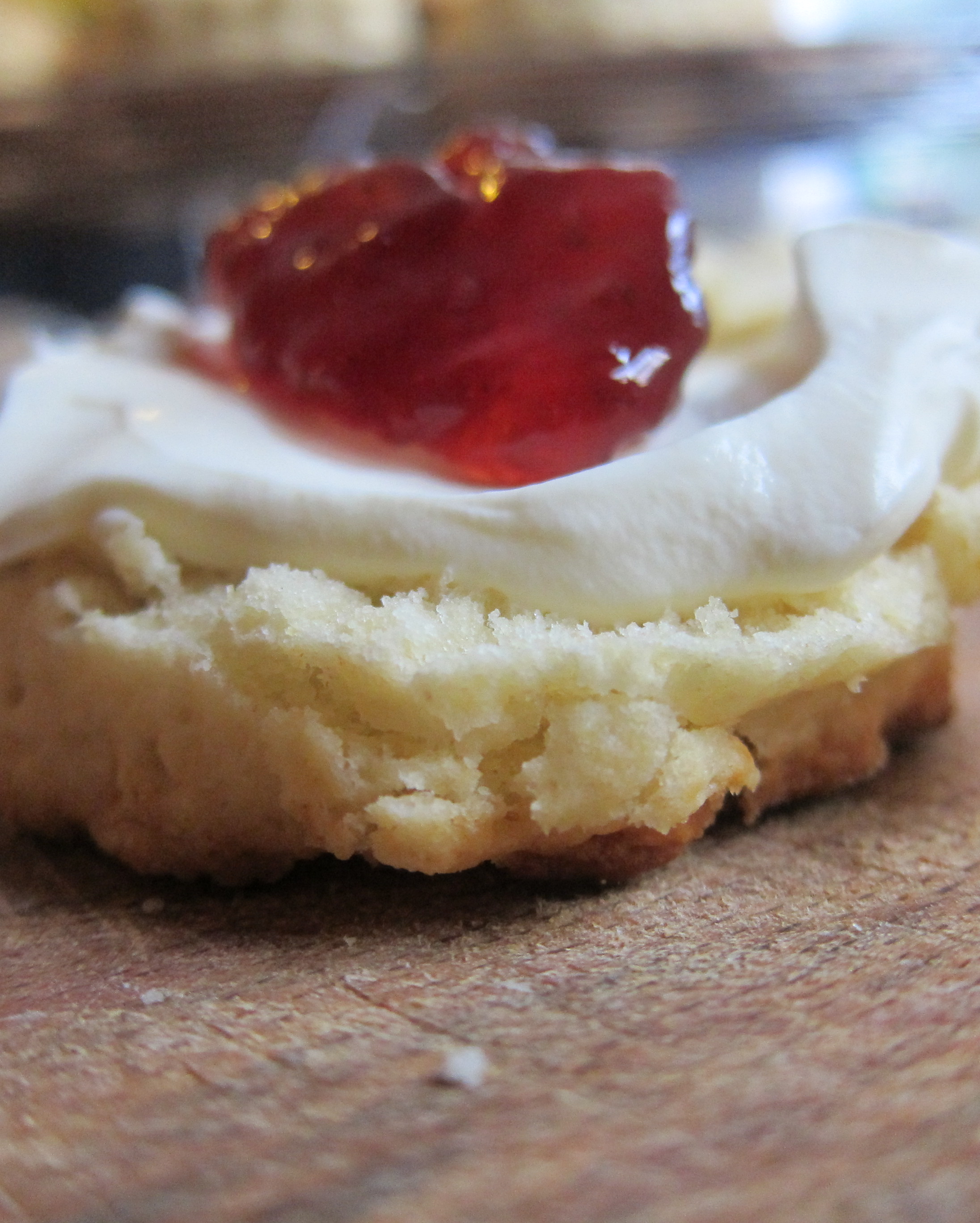
This is my version of the ‘cream tea’. A faint echo, at least. The English cream tea consists of warmed scones (and in our family it was always ‘scon’ and not ‘scoan’, but each to their ‘oan’), a tranche of clotted cream, yellowing and puffy in its ramekin with the merest hint of a crust, and an avalanche of strawberry jam (does it have to be strawberry? I think it does). There was always a debate about whether it should be scone/cream/jam or scone/jam/cream. I believed in the former because I didn’t want the cream to be too sullied.

Cream tea was always some sort of reward, recompense for having waited hours for the wrong bus, or walked too many miles in the wrong direction. Then spying a tea room, we would go in. And they were always remarkably similar: too small with little dolls’ chairs and spindly tables and one harried, red-faced waitress in a tabard that could best be described as ‘snug’.

And despite the heat, the sun that shines merrily on high and the hummingbirds that drill their way through our garden like tiny helicopters, this is more comforting than ice cream, or a cooling fruit salad. Scones it must be, with a dollop of tangy cream and some syrupy, balsamic strawberry jam. I need some Englishness, some rural Devon and Cornwall. My family lost someone very special this week, a Cornish rose. This is all I can do, where I am; bake something comforting and sit and think of her. And they better have a bloody good cream tea where she’s going, or there’ll be questions asked.

The scone

There are debates about the perfect scone that I have neither the time nor the inclination to go into here. Obviously height is always nice because you want everything to look as if it’s just toppling over and the only way to save it is to cram it into your mouth in one go. To achieve this billowing effect, a combination of raising agents is needed (bicarb and cream of tartar) and an extra-fine flour, such as Italian 00, if you can get your hands on it. And work the mixture as little as possible; the more you knead, the denser and flatter the results. Once baked, the light and fluffy interior should act as a delightful contrast to the crunchy shell.

And it really needs to be eaten straight from the oven, so that the cold cream clashes with the warmth of the scone and the jam starts to liquefy. Some people like butter and jam here and not cream. But my belief is, given that you’ll only eat this once or twice a year at the most, you might as well go the whole hog.

A scone for a cream tea

Adapted from Rachel Allen, Bake

500g (1lb 2 oz) light Italian 00 flour or plain flour

1 rounded tsp bicarbonate of soda/baking soda

2 rounded tsp cream of tartar

1 tsp sea salt

125g (4½ oz) unsalted butter, cubed

25g (1 oz) caster/superfine sugar)

1 egg, beaten

275ml (9 fl oz) buttermilk or milk, plus extra for egg wash

To make buttermilk, add 1 tbs lemon juice to the milk and let it sit for 5 minutes

100g (3½ oz) sultanas or raisins (optional)

6cm (2½ in) cutter

Preheat the oven to 220C/425F. Sift the flour, bicarb, cream of tartar and salt into a large bowl. Using your fingers, rub in the butter until the mixture resembles breadcrumbs. Add the sugar and raisins/sultanas (if using) and mix well. Set aside about a third of the beaten egg and combine the rest with the buttermilk, then add to the flour mixture and mix very briefly to combine. It will be a very moist dough.

Place on a lightly floured surface and knead ever so slightly to bring together, then press or roll out to a thickness of 2cm (3/4 in). Using the cutter, cut out approximately 12 scones and put them on a floury baking tray. Add about a teaspoon or so of buttermilk to the remainder of the beaten egg to make an egg wash. Brush the scones with the egg wash and bake in the oven for 10-15 minutes or until golden brown on top. Eat as soon as possible. These also freeze well, and can be eaten within the month.

IMG_1849

Clotted cream

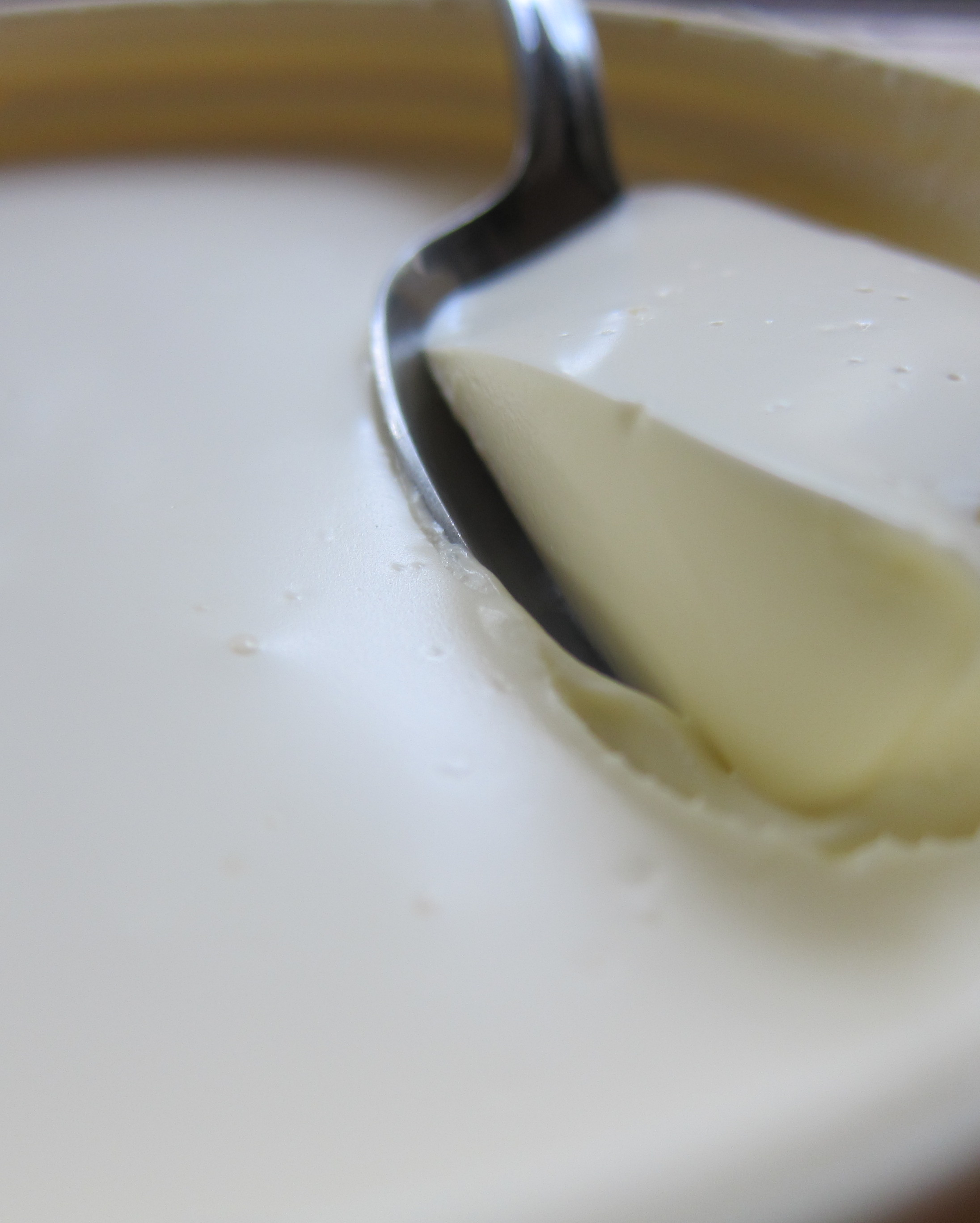
I didn’t make my own clotted cream (!!!?) which is the richest and most luxurious cream of all. Made originally from Jersey milk (the Jersey breed, from the Channel islands, is known for the high butterfat content of its milk), it cooks in a basin in a shallow pan of water, simmering for a few hours, until the cream rises to the top and forms a bubbly crust – the so-called clots. If you can’t get hold if it, crème fraîche works very well and brings a pleasing sourness. I love what Nigel Slater has to say about cream in its various incarnations. Read on at your peril.

The Jam

This jam might be the best way of using up the ‘monster’ strawberries currently doing the rounds here. Year-round strawbs have long been emblematic of LA farmers’ markets, which can be off-putting, particularly when you see miles and miles of them, big as tomatoes and hollow as a drum. But March and April in our area is on average the closest the berries get to peaking. Gaviota are lovely but incredibly sweet and best eaten straight from the punnet. Seascape have more acidity and complexity and make a more interesting jam. Recipe to follow.

A mess of meringue

Tags

, , , , , , , , , ,

IMG_1771

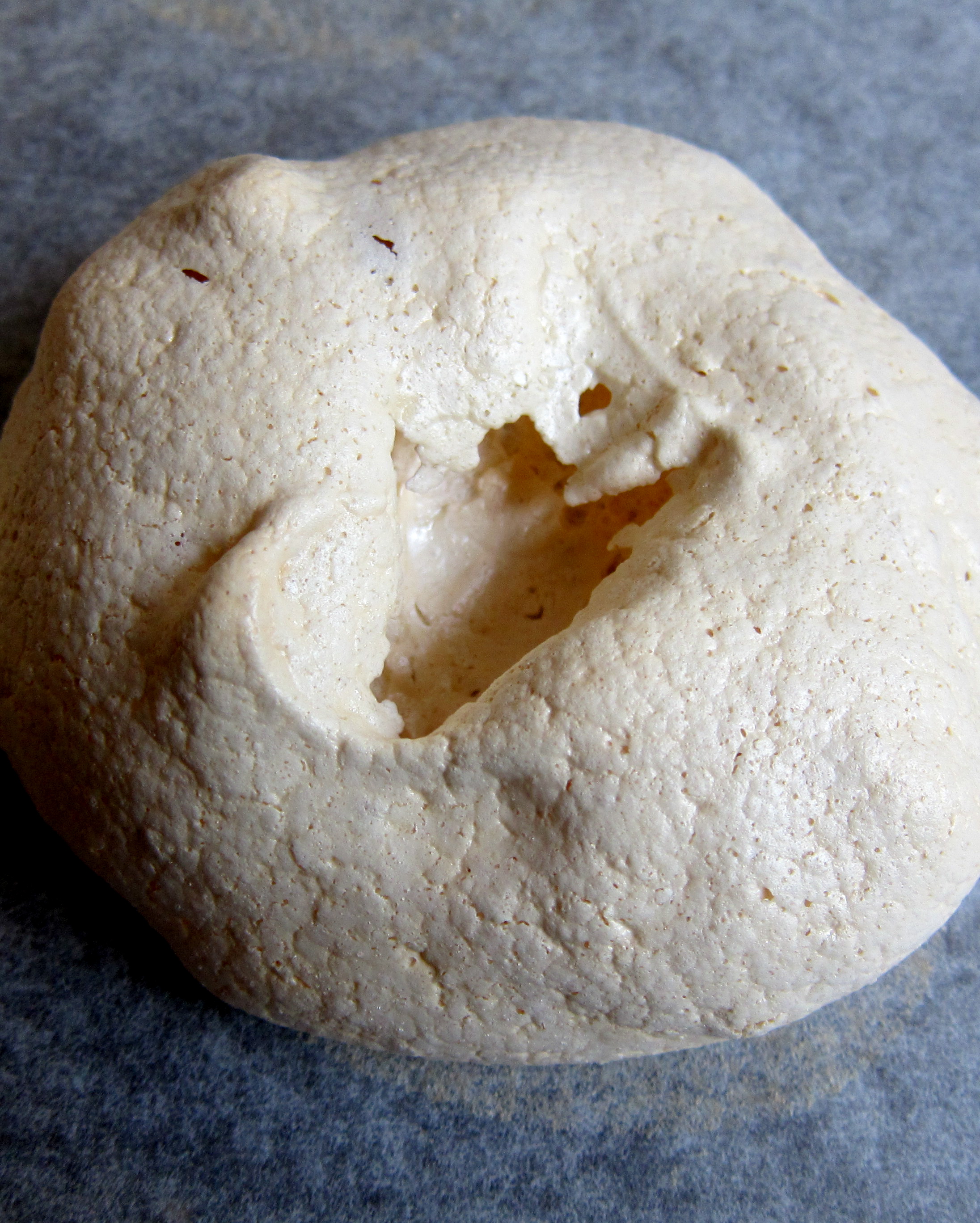
The thing about meringue is that it’s two quite different things in one. And it is precisely this interplay – the squidgy, marshmallow centre combined with the shatteringly fragile shell that makes it so addictive. And why shop-bought ones rarely work. And that almost colourless colour; palest fawn, the exact shade of my favourite sofa which is currently doing time in an outbuilding in Suffolk. Apparently, according to almost every meringue writer I’ve encountered, the trick is to never ever open the oven door. Go away for the weekend if you must. The meringue must dry out, preferably overnight with the oven off. It is very hard to wait, because a meringue is so enticing, so visually sumptuous. But try.

This recipe is in essence a pavlova, a pudding made for, and named after, the Russian dancer Anna Pavlova, who visited Australia in the thirties. It is known principally as an Australian pudding, but its roots lie in the European pâtisserie tradition. What makes it particularly Australian here is the way it is served; with cream and passion fruit, mainly. And the shape which is similar to a large, round nest. Being half Australian, I expected to know this pudding. I certainly remember the fruit; dripping mangoes for breakfast, the flesh scored into succulent cubes. Passion fruit in its calloused skin, all green and beady, and lychees, like sinister eyeballs. Everything dripped, I remember. It was hot and endlessly wet, either from the afternoon storms or from our torrential sweat. It was my first experience of scale.

IMG_1791

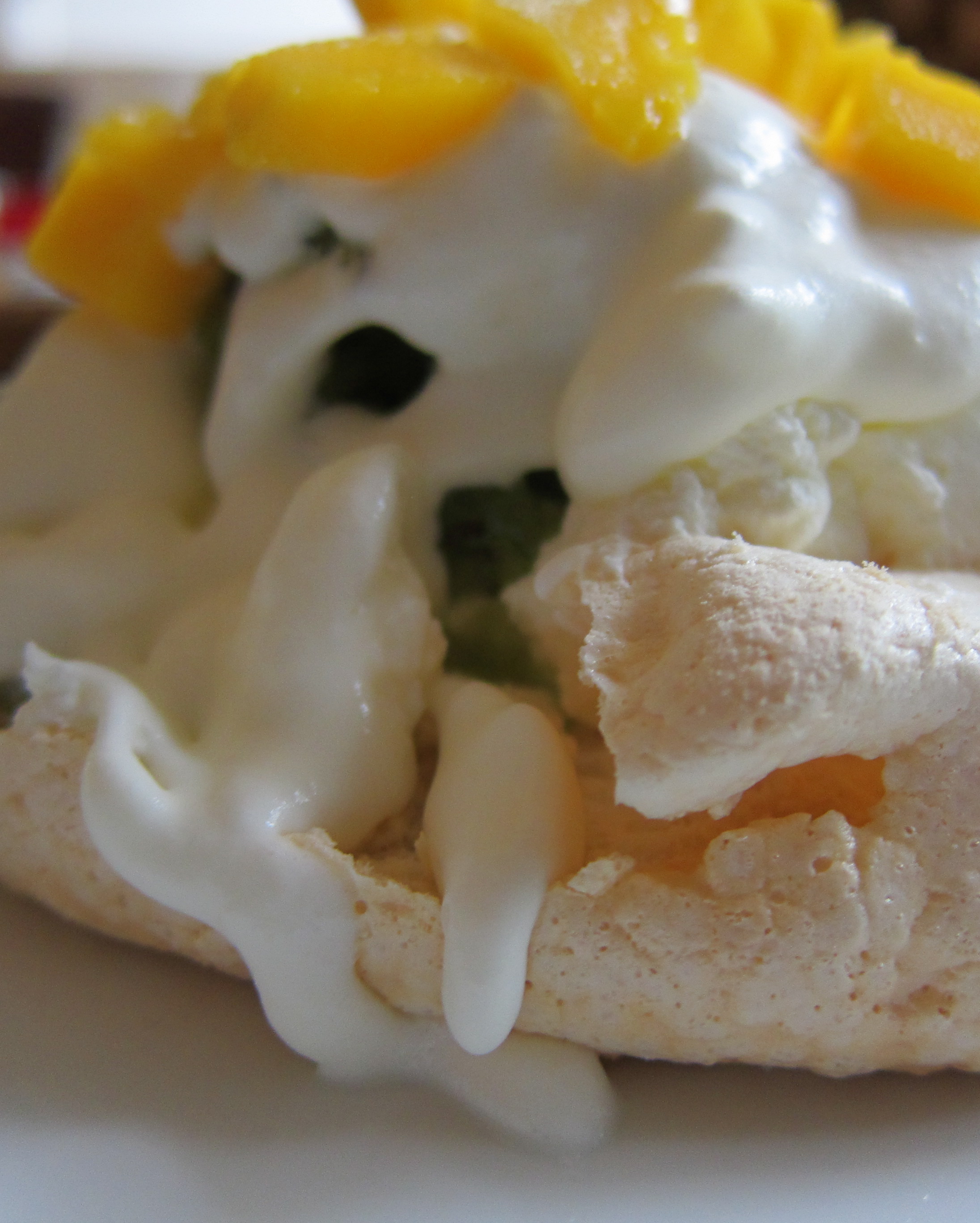
Choose sour, sharp fruit to balance the sweet blandness of the cream and meringue. Passion fruit, unblowsy strawberries, loganberries or raspberries all work. Of course mangoes are beautiful here too; slippery and lavish as a bar of luxury soap. Nigel Slater, whose recipe I am following, would disapprove of such a cornucopia of fruits for a pavlova, but as I couldn’t find any ripe passion fruit, I arrived at the solitary kiwi.

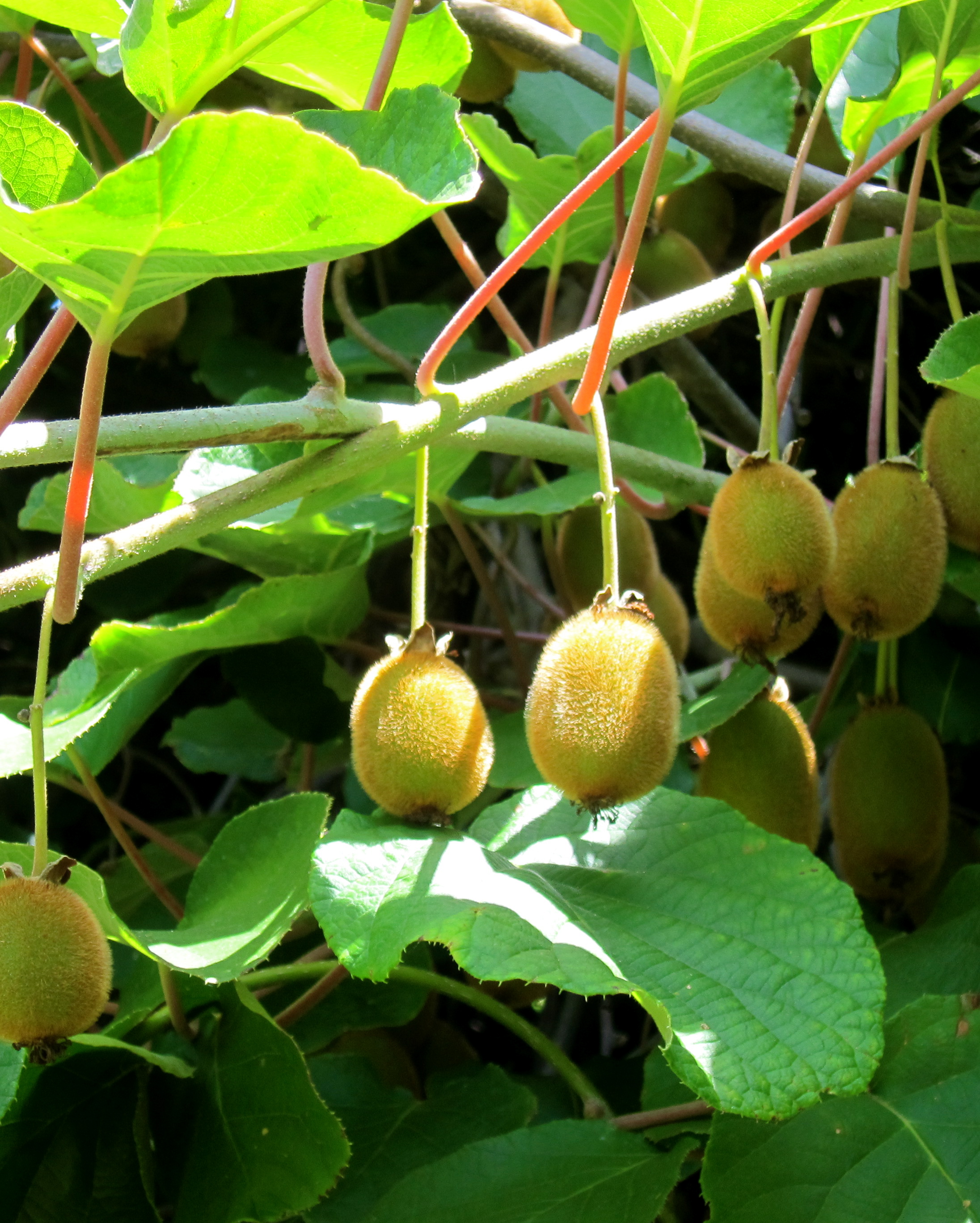
They grow here with gay abandon, though with less commercial success nowadays due to their excessive watering demands. Their general ubiquity (they travel and store well) can make them seem rather ordinary, and they’re often horribly hard. But when they have had the chance to sit and soften, the taste can be mellow and delightful – tart apple, strawberry and a melodious banana combine. I blitzed the kiwis in the blender and crowned them with a few slivers of mango here and they were a hit. And I like the sparkly seeds.

IMG_8860

Local kiwi fruit

I have to confess I love Kerstin Rodgers‘s idea of dribbling salty caramel over the whole thing, although this is verging on the orgiastic. Frankly, you need to get naked. Maybe next time. As to size, I decided on several small nests rather that one big one as it felt less perilous. Alternatively, pile the whole lot in voluptuous folds on to a baking tray and bake for an hour.

Pavlova

Adapted from Nigel Slater, Appetite

Enough for 8-10

6 large free-range egg whites (use the yolks for citrus curd)

Pinch of salt

350g (12 oz) caster/superfine sugar

300ml (10 fl oz) whipping cream

Some ideas for fruit

8 Passion fruit, cut in half – the pulp spooned over the cream

3 kiwi fruit, peeled and blitzed in a blender and poured over

A ripe mango, cut in half, sliced and added

Preheat the oven to 140C/275F. Lightly grease 1 large or 2 smaller baking trays and line with non-stick baking paper. Separate the eggs, dropping the whites into an extremely clean bowl, and the yolks into another (always great for curd or ice cream or indeed mayonnaise). It’s important that there is no yolk caught up with the whites as the fat in the egg yolk will stop the whites thickening. Beat the egg whites with the pinch of salt until shiny and thick. You should be able to turn the bowl upside down and have no fall-out. Now add the sugar – do it in two lots slowly (imagine rain), letting the whisk continue to turn at moderate speed. You will feel the mixture begin to thicken with the weight of the sugar. Keep going until the mixture is thick and glossy, but don’t overwhip – this will loosen it, and you want it to be so thick that it takes a while to fall off the whisk. I know there are many who say you should add cornflour (cornstarch) and white wine vinegar at this point, but I am not convinced there is enough of a difference to warrant it.

Drop 8 large spoonfuls of the mixture (about 10 cm/4 in round) on the baking trays and try to fashion a ‘nest’ with a small dip in the middle. Bake for 45 minutes until pale in colour. Then turn off the oven, but do not open the door; leave the meringue alone until it’s completely cool.

Wait until the last minute to prepare the pavlova – if it sits for too long once assembled, the cream and fruit start to soften the meringue. Whip the cream into soft peaks. Spoon some into the centre of each pavlova and let the cream dribble down the sides. Halve the passion fruit and spoon the pulp over the cream, or blitz the kiwi fruit and use in a similar fashion. Drape some mango over the top and tuck in.

If-in-doubt Lemon Tarts

Tags

, , , , , , , , ,

IMG_1748

Sometimes I feel that I’m losing my touch. I’m sure this is normal, but it’s unnerving. How can you go wrong with lemon tart? Anything with lemons, I’m told, and I’m a sure-fire winner. I have a way with the lemon. So I was feeling rather cavalier, particularly as these reminded me of jam tarts. Not so much jam as gel, admittedly, and a bit rubbery. And the way the pastry rose up in the oven was odd, upending the lemon mixture, which lay blank and flabby on the floor of the pan. It was all rather irregular.

I was unsure what to write about this week. Or what to make. Perhaps this was what did it. The Oscars were coming to Hollywood for which we needed to be prepared. Halle Berry and Ben Affleck and various plasticated lovelies would be sashaying down the red carpet, and the road was closed off for days in preparation for this world-changing event. We had people over to watch it live and bet on who would win. I decided to make something with lemons. We have a rather bedraggled-looking lemon tree which produces small, intensely perfumed and rather sweet Meyers, but mainly we just pilfer them from the overhang of other people’s trees. You walk along and pop them in your pocket, while looking innocently around you as if new to the area.

IMG_1735

I started off exploring a new recipe. It looked easy, but following a recipe is never just about following instructions. The language is important: it needs to be straight-forward, clear, unfussy. Lyrical is fine but too much information and I am apt to skip things, become impatient. I am not a baking nerd. And an old recipe is like an old friend – you pick up where you left off. One look at the page covered in pencilled amendments and various spillages, and I know we’ve been through something together, this recipe and me. There is also such a thing as muscle memory – the body remembers even if you don’t. A few swipes of a wooden spoon, an egg in the hand about to be cracked and the page warrants only a cursory glance from then on in. So the recipe below is a tried and trusted one – a lovely, simple Rick Stein offering that has never failed me.

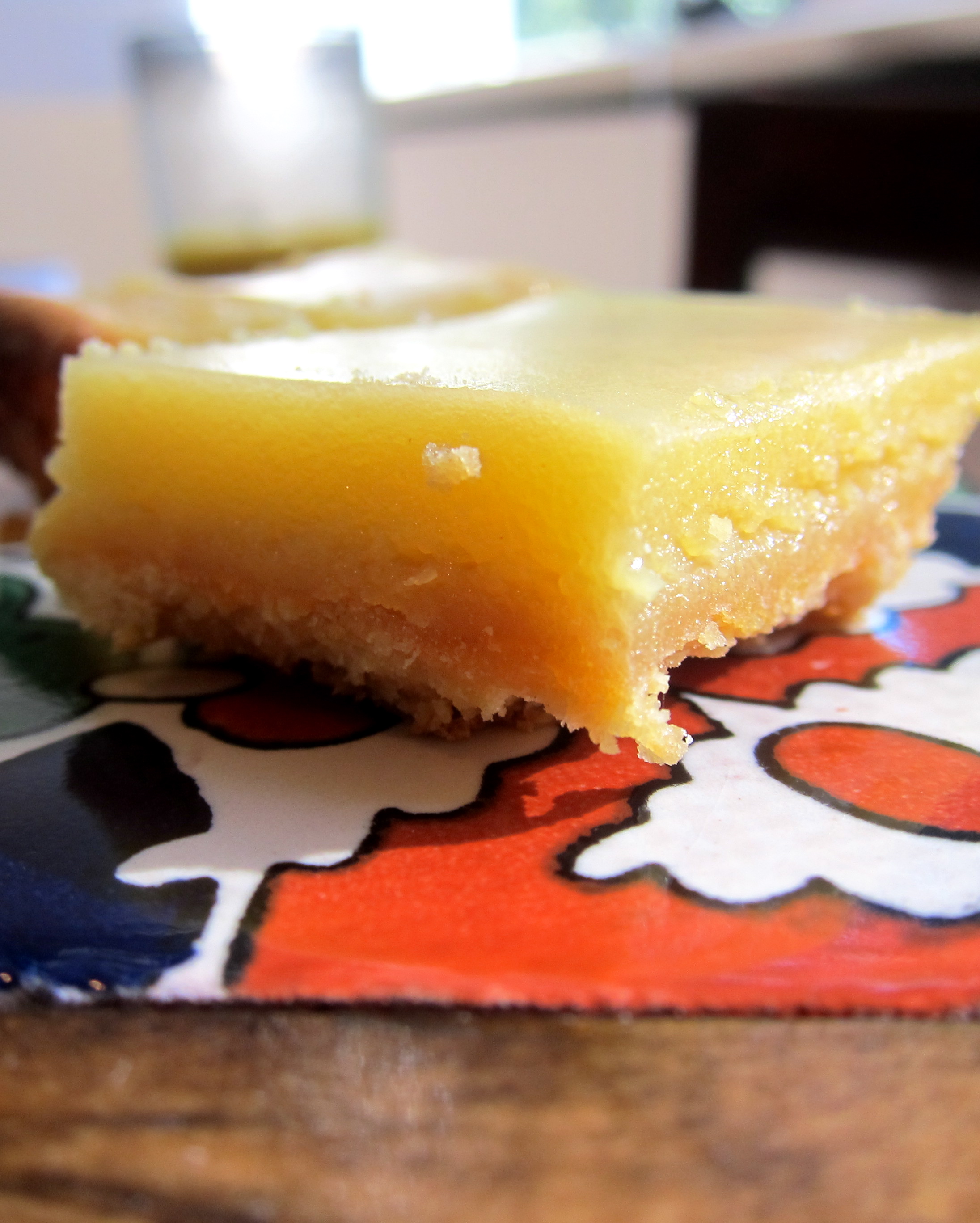
The rather prosaic-looking bars (above) are easier to manage at a party, but go for the classic and classier tart shape if you wish. You can certainly improvise here with other citrus, such as grapefruit, lime and even bergamot, if such a thing exists near you. Passion fruit (the juice of) may work too. However, nothing quite does the lemon’s job. I also add the zest for a bit of textural oomph. Use the left-over squeezed lemons for cleaning the sink.

IMG_8998

Lemon tarts

From Rick Stein, Food For All Occasions (Puddings)

For the sweet pastry: (makes about 350g/12 oz)

175g (6 oz) plain flour

A small pinch of sea salt

50g (2 oz) icing/confectioners’ sugar

100g (4 oz) chilled butter, cut into pieces

1 egg yolk

1 – 1½ tsp cold water

For the filling:

6 medium eggs, beaten

3 large lemons

250g (9 oz) caster/superfine sugar

150ml (5 fl oz) double/thick cream

For the pastry – sift the flour, salt and sugar into a food processor or bowl. Add the pieces of chilled butter and work together briefly, either in the food processor or with your fingertips, until the mixture looks like fine breadcrumbs. Stir in the egg yolk and enough water until the mixture starts to come together into a ball (or add to the processor and process briefly), then turn out on to a lightly floured surface and knead briefly until smooth. Roll the pastry out thinly on a lightly floured surface and use to line a lightly greased, 25cm (10 in), loose-bottomed flat tin, 4cm (1½ in) deep. Prick the base here and there with a fork and chill for 20-30 minutes.

Preheat the oven to 200C/400F. Line the pastry case with crumpled greaseproof paper, cover the base with a thin layer of baking beans (or rice) and bake for 12-15 minutes, until the edges are biscuit-coloured. Carefully remove the paper and beans/rice and return the pastry case to the oven for 3-4 minutes. Remove, brush the inside of the case with a little of the beaten egg and return to the oven once more for 2 minutes. Remove and lower the oven temp to 120C/250F.

For the filling – finely grate the zest from 2 of the lemons, then squeeze out enough juice from all the fruit to give you 175ml (6 fl oz). Beat the eggs and sugar together until just mixed but not frothy. Mix in the lemon juice and cream, pour through a sieve into a jug and stir in the lemon zest.

Partly pull out the oven shelf, slide in the pastry case and pour in the filling. Slide the shelf back in and bake the tart for 40-45 minutes, until just set – the mixture should still be quite wobbly in the centre but it will continue to firm up after it comes out of the oven. Remove and leave to cool, but don’t refrigerate it. This tart is best served on the day it is made. Wedges or bars – you decide, and a bit of crème fraîche is lovely alongside.

Strange fruit

Tags

, , , , , , , , , ,

“If I had nowhere to go in the world, I would come to Ojai. I would sit under an orange tree; it would shade me from the sun, and I would live on the fruit.” Krishnamurti

IMG_1573

It is hard to do justice to how central the orange is to Ojai. After a few hours of green forested land and glinting orange orbs, you find yourself stepping over dead and dying fruit. Blackened, hollow oranges lie dead on the branch. There are only so many oranges you can carry on a walk until the sight of yet more oranges lolling at your feet, often cloven in two by insects and small animals, feels like the end of a particularly debauched feast.

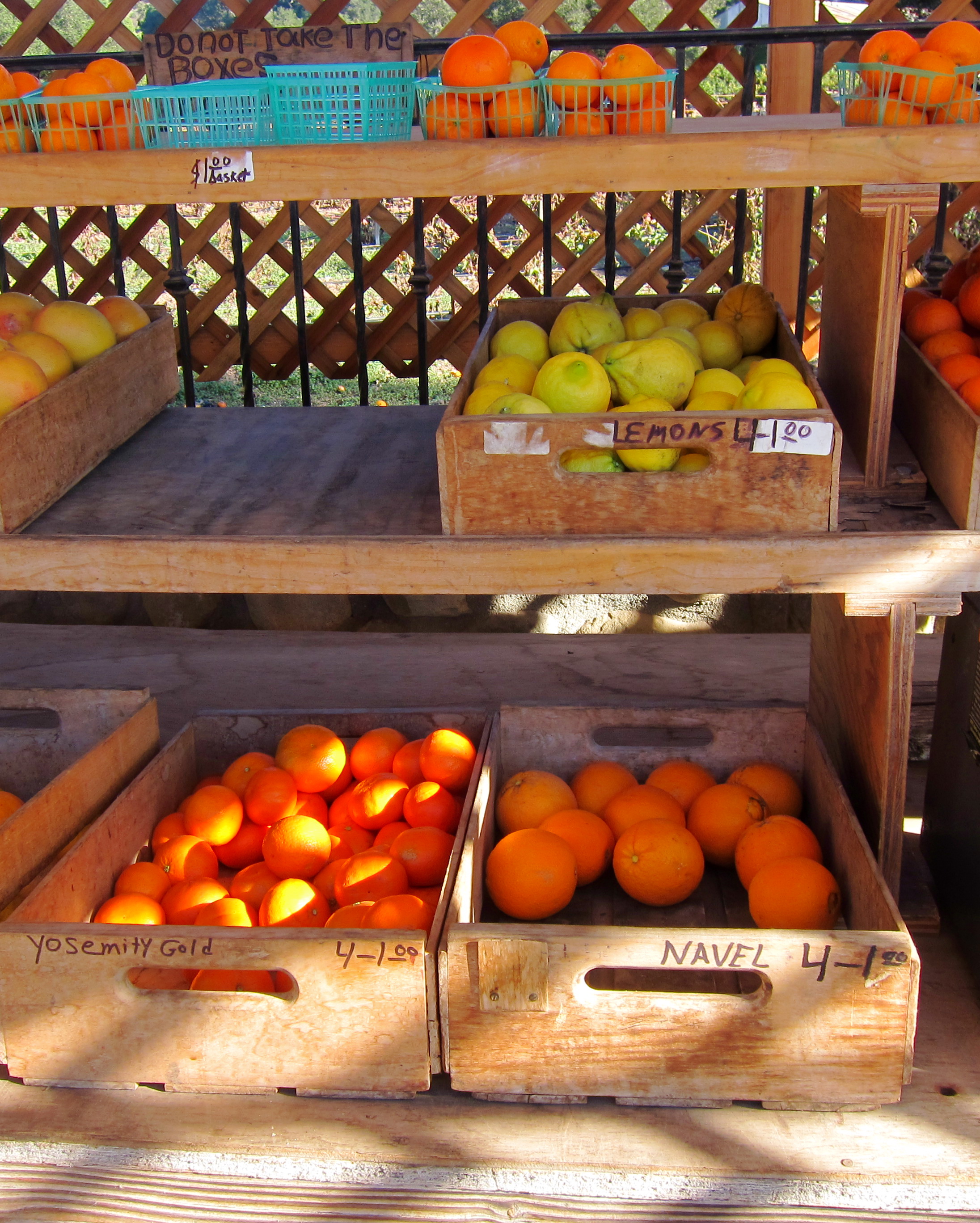
The fruit that we ate was pleasingly sour. There were lemons too, and grapefruit and tangerines. We walked through avocado groves, their long leaves scissoring the sky. Horses stood nearby on a patchwork of green. Because of the rain, the grass was almost neon and along the street were honesty boxes with trays and bags of fruit, all for a dollar – a nice round figure. Amazing to think we were only an hour and a bit from Los Angeles and its manic, urban sprawl. Up the road was Santa Paula, home to Mud Creek Ranch and their tantalizing bergamot trees.

IMG_1616

A year ago, I began this blog and wrote about my first encounter with bergamots. So it feels right to revisit them after this weekend in Ojai, where citrus perfumed the air and sank into the pores. It came with us in the car, back to LA, as we let go of leaves and branches along the way. It would be wrong to surmise that Ojai is just oranges. But sometimes it’s good to simplify. Oranges are at its core. They are the view. The view Beatrice Wood looked out on, as did Krishnamurti, and countless free-ranging artists and thinkers who have called this place home. Where going out, as the saying goes, is really going in.*

IMG_1653

The bergamot is the most intense experience you can have with your pants on. So heady as to be almost nauseating, a little goes a very long way. A marmalade or curd made exclusively with this fruit would be too punishing, but combined with lemon and orange you have a touch of the exotic, which is just enough.

For a citrus fruit, the bergamot has a deep, oily character, and the zest has an olive-green hue. The bergamot, orange and lemon curd below is unctuous and rich, rather like a citrus mayonnaise. If you find bergamot hard to come by – or just don’t fancy it – replace with lemon and adjust the sugar, according to taste. Don’t be tempted to use only oranges, as the results will be appallingly sweet. Curd needs acidity to work.IMG_1498

Citrus curd

Adapted from Skye Gyngell, My Favourite Ingredients

Zest & juice of 2 bergamots, 3 lemons, 1 orange (to make 300ml/10 oz juice)

125g (¾ cup) of sugar

6 organic egg yolks

180g (¾ cup) of unsalted butter, cut into pieces

Method

Rub the citrus zests and sugar together – the essential oils in the peel are released in this way. Mix the juice, sugary zest and egg yolks together in a heatproof bowl until well combined. Stand the bowl over a pan of just-simmering water and stir continuously (meaning; a lot, but feel free to look around etc) with a wooden spoon as the mixture begins to warm and eventually thicken. Many curd recipes claim this takes about 7-10 minutes. I have not known the thickening to occur under 20. Also, do not be alarmed by the sheer amount of juice here – it does eventually surrender. The spoon will start to drag, and once the mixture coats the back of it, remove from the heat and immediately stir in the pieces of butter. Strain the curd through a fine strainer into a warm sterilized jar. Seal and store in the fridge for about a week – it doesn’t last that long generally.

* I’m paraphrasing from naturalist John Muir.

Bitter chocolate olive oil cake

Tags

, , , , , , , , , , ,

IMG_1320

This is not a rant against butter. Far from it. But I am rather in love with olive oil and its peculiar affinity with desserts. And while butter highlights sweetness, is dense and comforting, olive oil is less weighty, making the crumb lighter, almost bubbly. Initially, I was scared of going for an extra virginal oil, but the fruity-pepper quality is reminiscent of spice. And good olive oil will have traces of bitterness and pungency, with echoes still of the actual olive. I know I’m probably a bit behind, but the notion of tasting fresh olive oil, sipping it like wine, was new to me, until I tried it. Weirdly, it’s not oily or greasy, but fresh and clean, spring-like.

And here in LA, it is spring; particularly early in the morning with the desert air still biting but with a still and steady sun above. After months of wet (it’s true what they say – LA in the rain is basically Slough with palm trees), it is good to remember the heat, the sharpness and dryness of the air. Things are budding again. Magnolia with its slip of pink just pushing through. Lemon trees a forest of blossom, with the first yellow fruit like tear drops. And everything is green, courtesy of the rain. Troughs of dried mud have appeared next to banks of luminous grass.

Olive oil is big business and full of controversy. It’s a minefield, frankly. Here in California, olive trees were brought to the state by Spanish missionaries in the 18th century. Everywhere the silver-grey leaves, stark as bullets in the sun, remind you of the fact that despite its New World appearance, the terroir of this part of California is fundamentally Mediterranean.

I cannot begin to unravel the complexity of what makes a good olive oil, but apparently it has little to do with colour and everything to do with freshness; olives are a stone fruit and the oil is essentially the juice of the olive, and like all juice, it is perishable. Look for bottles with a ‘best by’ date, or better still a date of harvest. Early harvest oil will be generally much more pungent and more flavourful than late harvest. And the oil should be extracted by cold-pressing, using neither heat nor chemicals. This is obviously in an ideal world.

IMG_1349

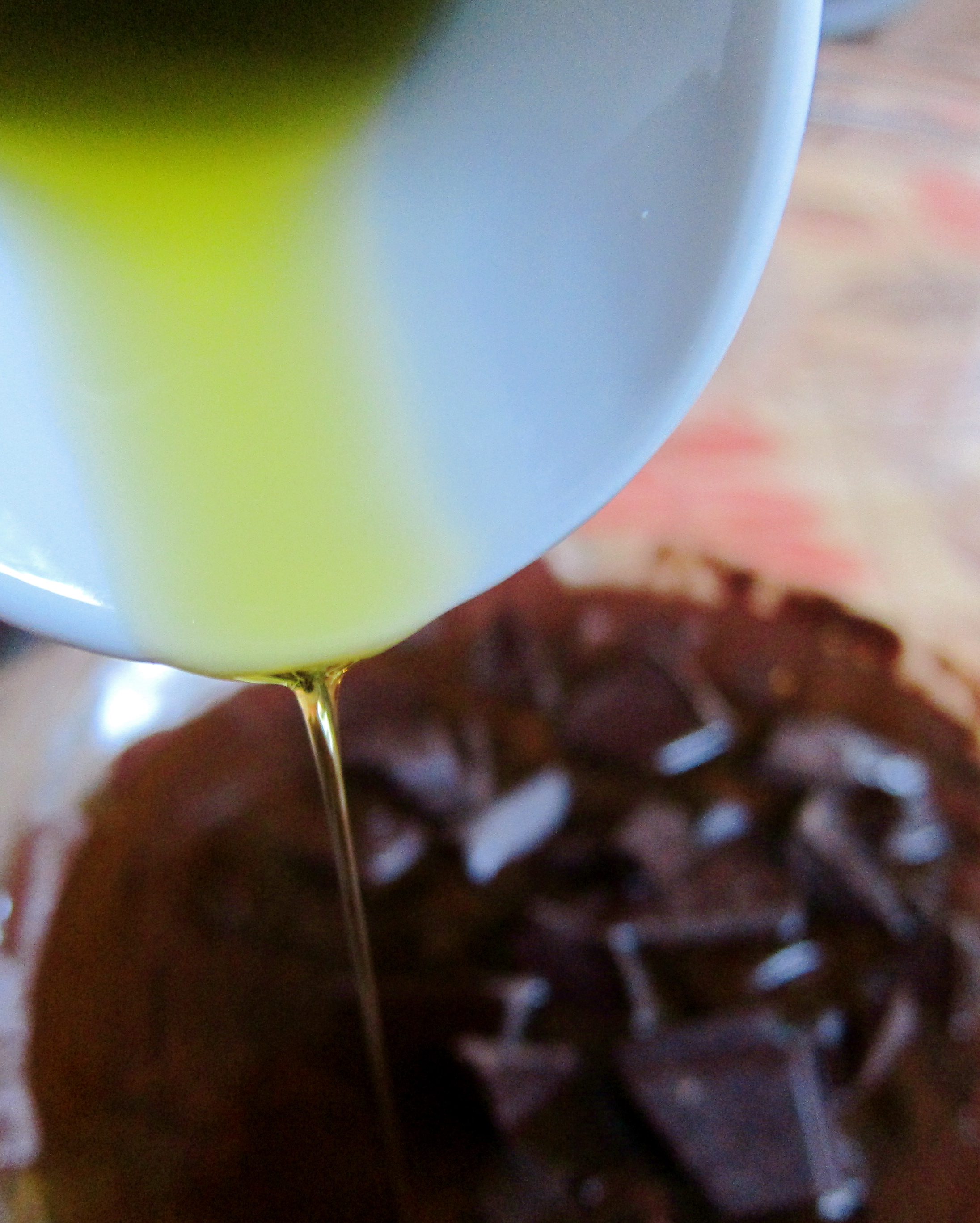
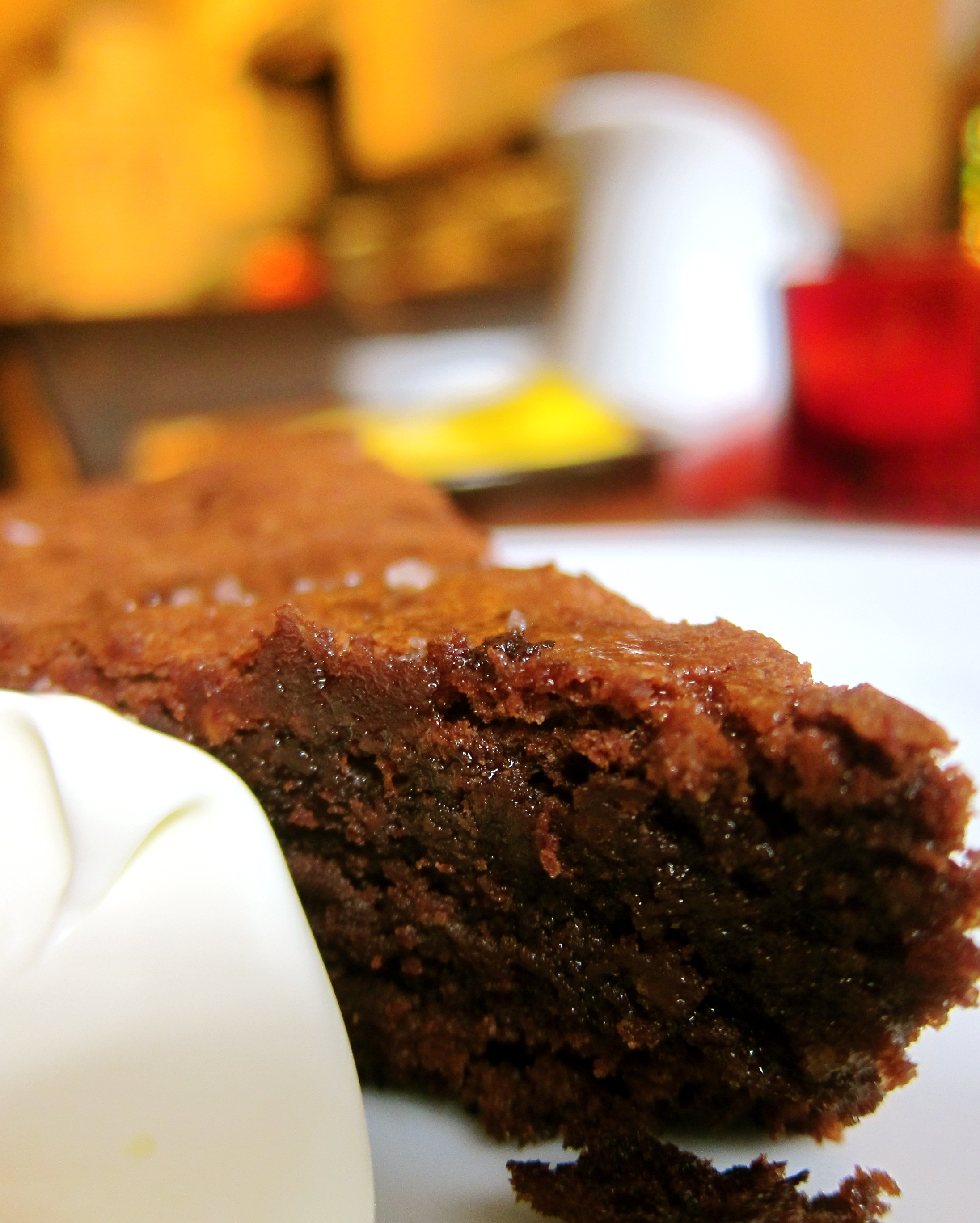
Anyway, back to cake. Try not to be cowed by the robustness of the oil you are using here; the bitterness in both the chocolate and the oil is tempered by the delightful texture of the almonds and the fissured exterior of the cake once baked – the way it cracks like a dinosaur’s egg and sinks gratefully into a thick mound of cream. It is not as truffle-like as it looks – it’s glistening because I decided, erroneously, to fleck it with olive oil for presentation purposes. I also sprinkled it with flaky salt, but have a glass of water on hand if you decide to go this route.

Bitter chocolate olive oil cake

Adapted from The Bojon Gourmet/Alice Medrich

50g (1/2 cup) blanched whole almonds

1 tbs cocoa powder

150g dark chocolate (70-72% cocoa solids) broken into pieces

120ml (½ cup) extra virgin olive oil

Pinch of flaky sea salt, plus some for serving

4 large eggs, separated at room temperature

170g (¾ cup) caster sugar, divided use

¼ tsp cream of tartar

Position a rack in the centre of the oven and pre-heat to 325F/170C. Grease an 8 or 9″ (20cm) round cake tin with a bit of olive oil. If using whole almonds (which I would recommend) toast them for a minute or so over a medium heat until they start to smell nice and turn a little golden. Then grind them with the cocoa powder in a blender or coffee grinder until powdery but with a few stray bits of nut left, for texture. Place the chocolate in a heat-proof bowl over a pan of barely simmering water. Once it looks well on its way to melting, add the oil and the pinch of sea salt and stir.

Remove the bowl from the pan and whisk in 110g (½ cup) of the sugar and the almond mixture until combined. Whisk in the egg yolks. If the mixture starts to get cold, it may ‘seize’ or look grainy. If this happens, place the bowl back over the simmering pan and stir until it loosens again. Place the egg whites in a very clean bowl and whisk until just frothy. Then add the cream of tartar and continue until foamy. Rain in the remaining sugar, continuing to whisk until the whites hold soft peaks.

Without delay, use a rubber spatula to stir a small portion of the whipped whites into the chocolate mixture to loosen, then gently fold in the remaining whites until the batter is just combined and no streaks remain. Immediately pour mixture into the prepared pan, smooth out the top and bake until a toothpick inserted comes out with moist crumbs attached – 35 to 45 minutes. Let the cake cool completely, then remove from the pan and sprinkle with sea salt – this may not be to your liking, so omit if not. The cake improves with time, courtesy of the almonds. Keep covered at room temperature for 3-4 days for the full effect.

Read on Read Tom Mueller’s book Extra Virginity if you’re interested in olive oil intrigue. Also check out his website and blog truthinoliveoil.com for lots of fascinating facts.

Green Soup & Onion Jam

Tags

, , , , , , , , , , , ,

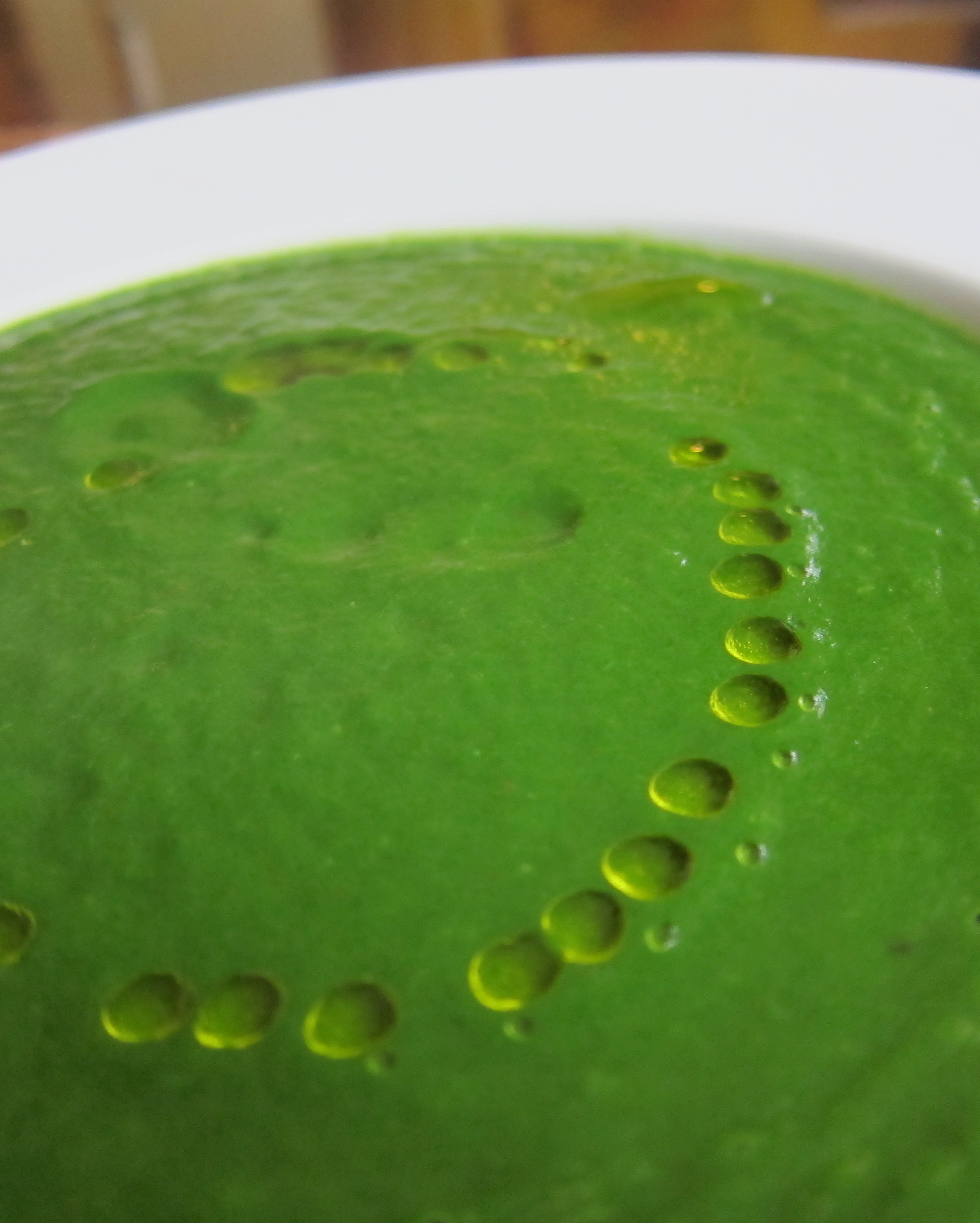
IMG_1253I feel the need for some green in me, if you’ll pardon the expression. It’s all very well chowing down on sugar and coconuts and chocolate – and God help me, it’s good – but it’s not exactly lunch. So here’s to soup. And the sweet fug of caramelizing onions, the searing of greens, a few cooling drops of extra virgin olive oil.

I grew up with a book called The Vegetarian Epicure, though no one as far as I could tell was a vegetarian. It was plain and unpretentious with sweet illustrations reminiscent of a children’s book from the Seventies, with easy to follow recipes. In fact it was from these pages that I made my very first dessert; a summer fruit tart – pastry smothered in lemony, zesty cream cheese, with fruit piled on top. I made this endlessly, whatever the season. But occasionally, if it all got too much, I’d turn to the soup section.

Soup was a big thing with us. Onions were cheap, as were potatoes (and of course there was potato water). Greens you could pull up in the neighbour’s garden. The big pan of spitting, lurching soup, the calm silence of the soup bowl, a handful of toughened bread and melting clumps of butter. The book was thumbed to oblivion, daubed with grease and finally hung by a thread. What I particularly liked about it were the intros, the preamble to the thing itself; it had a way of leading you to the subject like a firm but friendly teacher. At the back of the book, most intriguingly to me, was the author’s bio. Apparently, she was doing this book to fund her studies in film at UCLA (wherever that was). Anna Thomas was someone in print only. She had no bearing on my actual life.

So imagine the oddity of switching on the radio and hearing Anna Thomas speak. It was hard not to feel a sense of possession; she was ‘mine.’ And she was talking about soup. I was right back in our kitchen in Devon with the long windows and the trestle table and other people’s small gardens down below. Except I was here, in LA, with Anna Thomas. I had got here where she was. I was impossible that day, apparently. In the end, I had to do the only thing that made sense, the only thing that would shut me up: I opened the book and made soup.

This recipe calls for chard and spinach, but I have also used mustard, collard and turnip greens to good effect. Also, not everyone likes chard’s rather bullying strength. If you don’t want to use rice, the creaminess can come from other sources, such as cooked squash, potato, parsnip or Jerusalem artichoke. The onion jam is simply onions taken to the very edge of burnt. You want some crispness without too much charring. The trick is to leave them for a very long time over a low heat until they become sticky and sweet.

Green soup

Adapted (and some liberties taken) from Anna Thomas, Eating Well

2 glugs of olive oil, plus more for drizzling

3 onions, sliced into half moons

Sea salt

2 tbs plus 3 cups (750ml) of water

¼ cup (50g) of arborio rice

1 bunch of green chard (about 1lb)

About 14 cups/12 oz/340g (your average bag) of gently packed spinach/greens

4 cups (1litre) of vegetable broth or potato water

Big pinch of cayenne pepper

1 tbs of lemon juice, or more to taste

Heat 2 glugs of oil in a large skillet/frying pan over a moderate heat. Add onions and a pinch of sea salt; cook until the onions go translucent. Reduce the heat to very low, add 2 tablespoons of water and cover. Cook, stirring frequently until the pan cools down, and then only occasionally, always covering the pan again, until the onions are greatly reduced and have a deep caramel color, at least 25 to 30 minutes. Take a handful and put to one side for use as your garnish.

Rice: Meanwhile, combine the remaining 3 cups (750ml) water with a pinch of sea salt in a soup pot; add the rice. Bring to a boil. Reduce heat to maintain a simmer, cover and cook for 20 minutes.

Trim the white ribs out of the chard (save for another use, such as to add to a stir-fry or other soup). Coarsely chop the chard and spinach or other greens. When the onions are caramelized and ready, stir a little of the simmering liquid from the rice (or whatever you have to hand) into them; add the greens to the onions, give it all a stir, and then add the broth and cayenne. Add the rice here if you are using, or if not then the starch of your choice, or nothing. Return to a simmer, cover and cook, stirring once, until the spinach is tender but still bright green, about 5-10 minutes more.

Return the handful of onions to a pan to crisp up. Puree the soup in the pot with a hand-held blender until perfectly smooth or in a regular blender in batches (return it to the pot). Stir in a tablespoon of lemon juice. Taste and add more lemon juice, if you like. Garnish each bowl of soup with a drizzle of olive oil and a few strands of the onion jam. Hot bread is good here, of course.

Chocolate pots with cardamom

Tags

, , , , , , , , , , ,

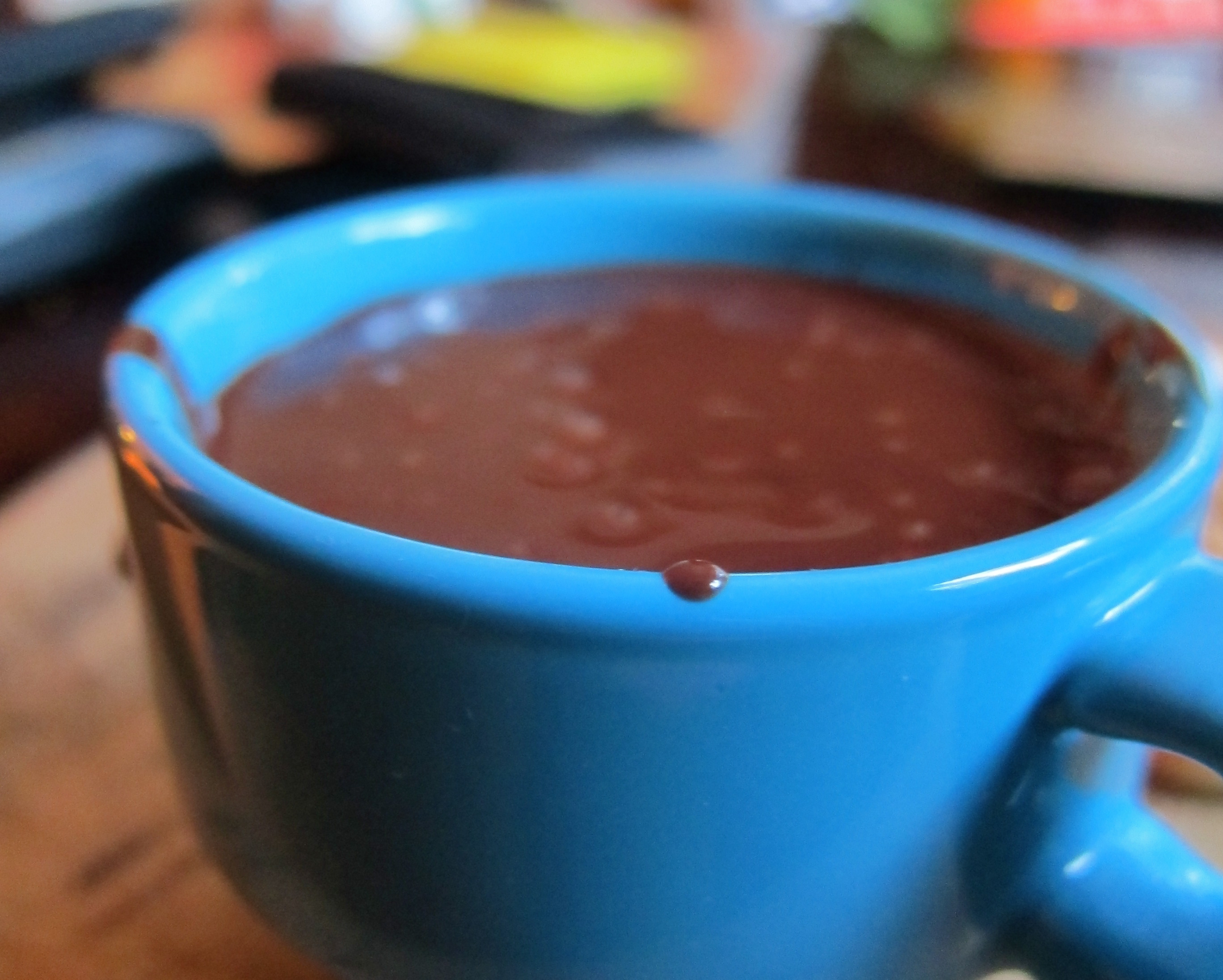
IMG_1163

I know there are many cultures where you buy in dessert and LA is one of them. I wouldn’t gripe, but the bought stuff here is dazzling in its aesthetic perfection but tastes of nothing. And it’s incredibly sweet. So here’s what I’m thinking: I write a book (which will be read by about seven people, but to those people I say thank you) about what you can make or bring that is neither horrifically sweet nor terribly complicated. But it will taste good. And ‘afters’ need not be pudding or cake at all, but a rough cheek of apple and a chunk of crumbling Cheddar. Some toasted, spiced nuts. A bowl of sloping apricots with cardamom. Or a chocolate pot.

IMG_1127

Cardamom was imported from its native India in the Middle Ages by Arabic traders to the Muslim Mediterranean (Turkey, Lebanon, Syria, Egypt for example), where it now belongs to the sphere of cooking known as the saffron-cinnamon link*. Beloved of Scandinavians too, it does well in sweet things (including sweet vegetables like carrots and parsnips). It is strong, searing almost – as if you have found yourself in a clearing after a recent bonfire involving eucalyptus: charcoal, menthol, ash, smoke and the shock of clean air combine, particularly if you whizz up the seeds in a blender and stick your head in. It belongs with almonds, pistachios, rose water, oranges and lemons. Good in bread and cake, bewitching in a poaching syrup for fruit. Chocolate it loves, including the white stuff where it cuts through the sweet gloop with masterful directness.

Oh yes, and Happy New Year! Due to technical ineptitude, I was unable to get my head round the so-called interactive report I posted at the beginning of January and those wishing to use it would have been blocked. I would like to say thank you to everyone who has read and enjoyed me, followed me and either commented publicly or privately and generally cheered me on. It is also very exciting to be featured on Freshly Pressed. It’s a solitary business, writing, so any encouragement is my meat and potatoes.

IMG_1162

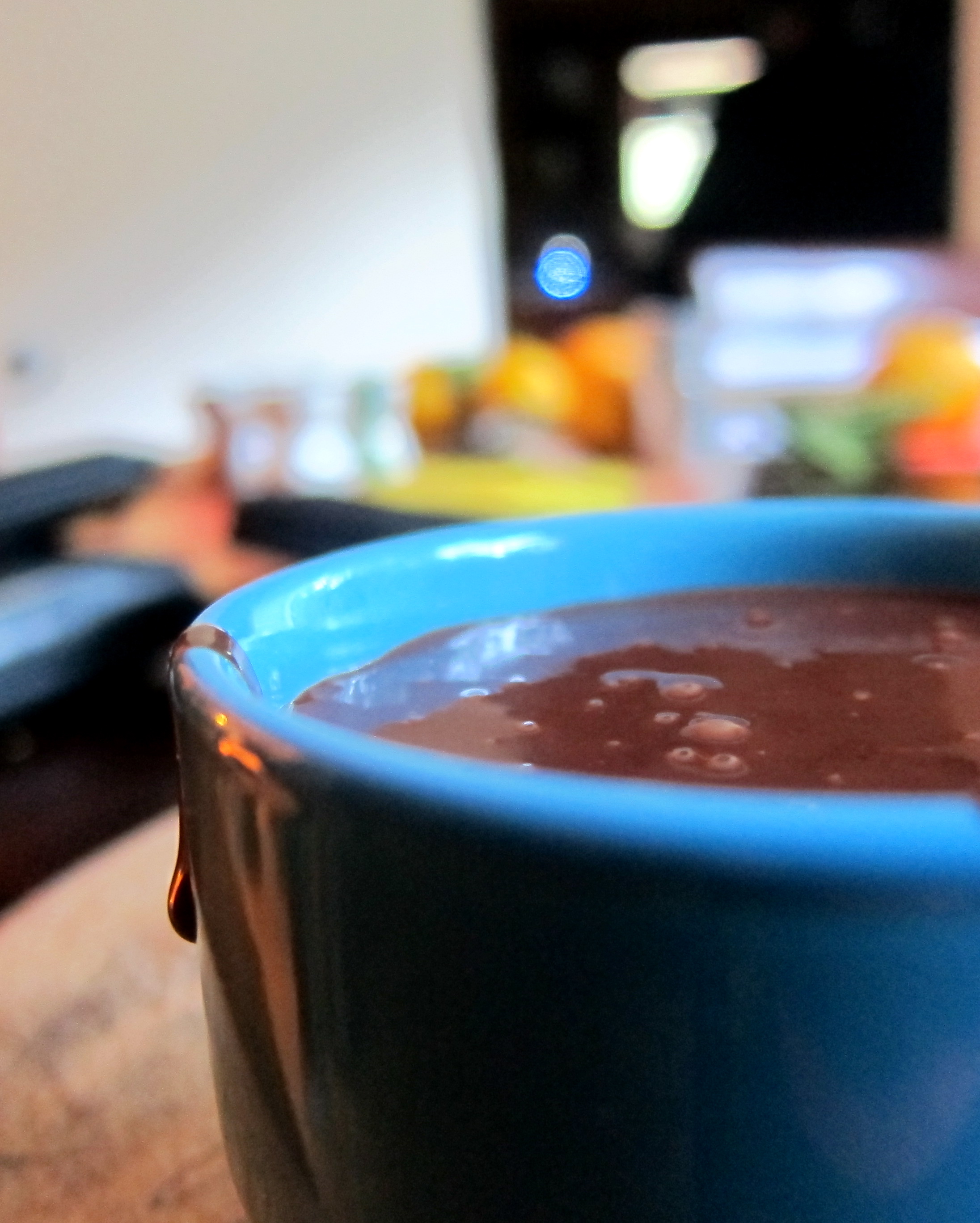
These chocolate pots have the minimum of sugar and no flour. There is cream though so forget it being good for you, except in the psychological, spiritual and sensual sense. As for chocolate, you can take the bitterness right to the edge, but try to keep it this side of fruity. I would stop at 70% cocoa solids myself. Though the recipe asks for an egg, I made it without and it was still lovely; a handy detail for the egg-intolerant.

This recipe comes from Lucas Hollweg’s so-much-more-than-just-good book Good Things To Eat. My take comes with a toasted almond or two, which gives the pudding a sort of carb-like purchase and is in keeping with its Moorish provenance. But go bare if you dare.

Chocolate pots with cardamom

Adapted from Lucas Hollweg, Good Things to Eat

Serves 6

15 cardamom pods

200ml (7fl oz) whole milk

200g (7oz) dark chocolate (60-70% cocoa solids), broken into small pieces

150ml (5fl oz) heavy/double cream, plus extra to serve

50g (1¾ oz) caster/superfine sugar

1 medium egg

“Crush the cardamom pods in a pestle and mortar, or roughly chop, squashing the black seeds inside as you go. Put in a small saucepan with the milk and bring to a simmer, then turn off the heat, cover and leave to stand for 1 hour.

Put the chocolate in a mixing bowl. Add the cream and sugar to the milk and bring to a simmer. Turn off the heat and leave to stand for a minute, then strain through a sieve onto the chocolate. Allow everything to melt for a minute or two, then beat together until smooth and silky. Beat in the egg until everything is well combined.

Divide the mixture between 6 espresso-sized cups or small glasses and put in the fridge to set for a couple of hours. Add a splash of cream to the top of each one if you feel like it.”

*Read Sam and Sam Clark’s beautiful cookbook Moro for more on this.IMG_1174

Sweet and salty almonds

David Lebovitz, The Sweet Life in Paris

Deborah Madison, Seasonal Fruit Desserts

Serves 2

1 cup (170g) blanched almonds

1 tbs (15g) butter

1 tbs dark brown sugar

A good pinch of flaky sea salt (fleur de sel) or smoked sea salt

A good pinch of freshly ground black pepper

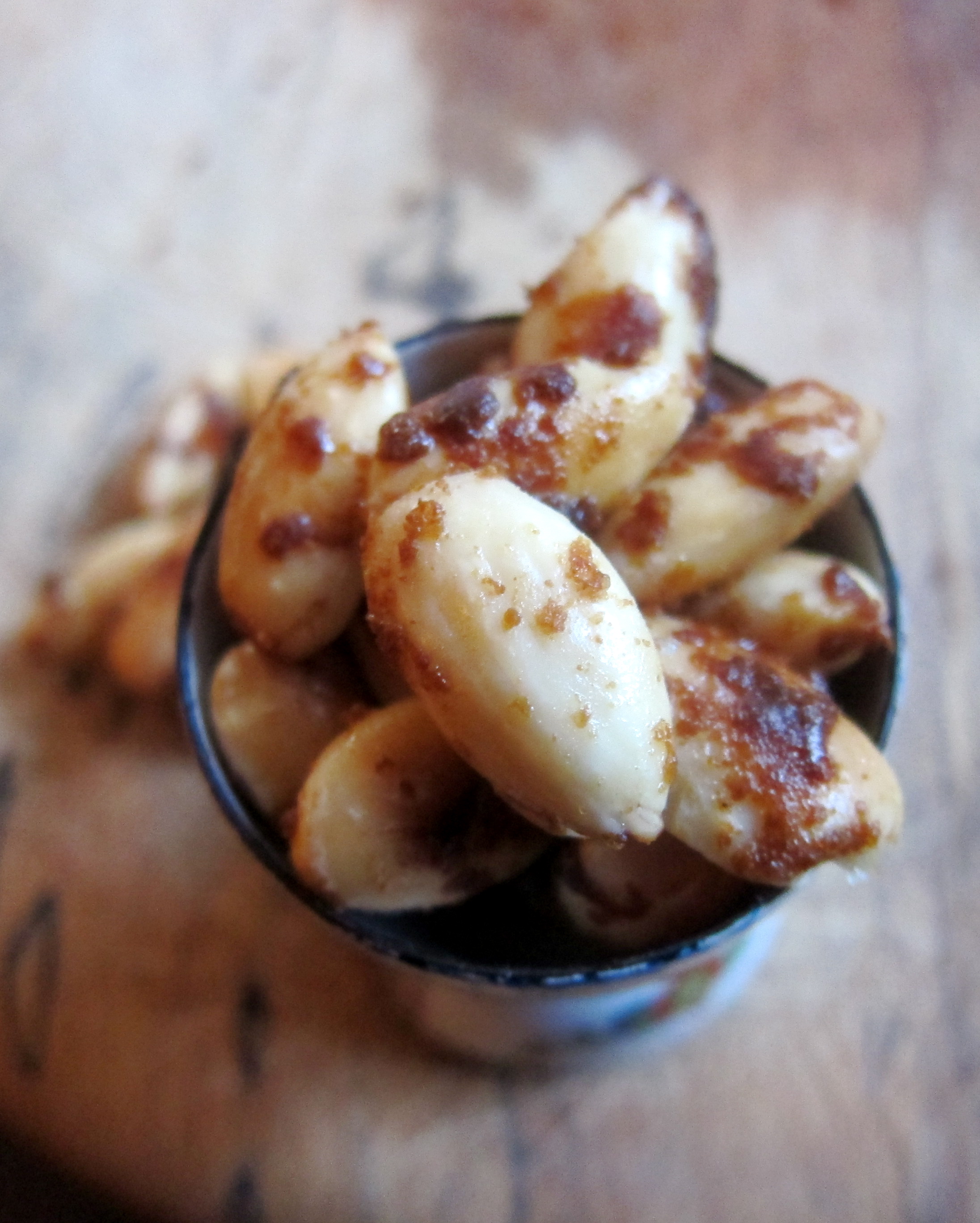
Spread the nuts on a baking sheet and roast in a 300F (180C) oven for about 5 minutes to ‘tickle out’ their flavour. Try to avoid colouring them too much. Melt the butter in a pan over a medium heat and then add the warmed almonds. Sprinkle the brown sugar over them, and stir until the sugar has melted. Remove from the heat, then sprinkle with the salt and a fresh grind of pepper. Let cool to harden. Tap the almonds gently with a rolling pin to break them up or leave them whole.

Savage stuff

Tags

, , , , , , , , ,

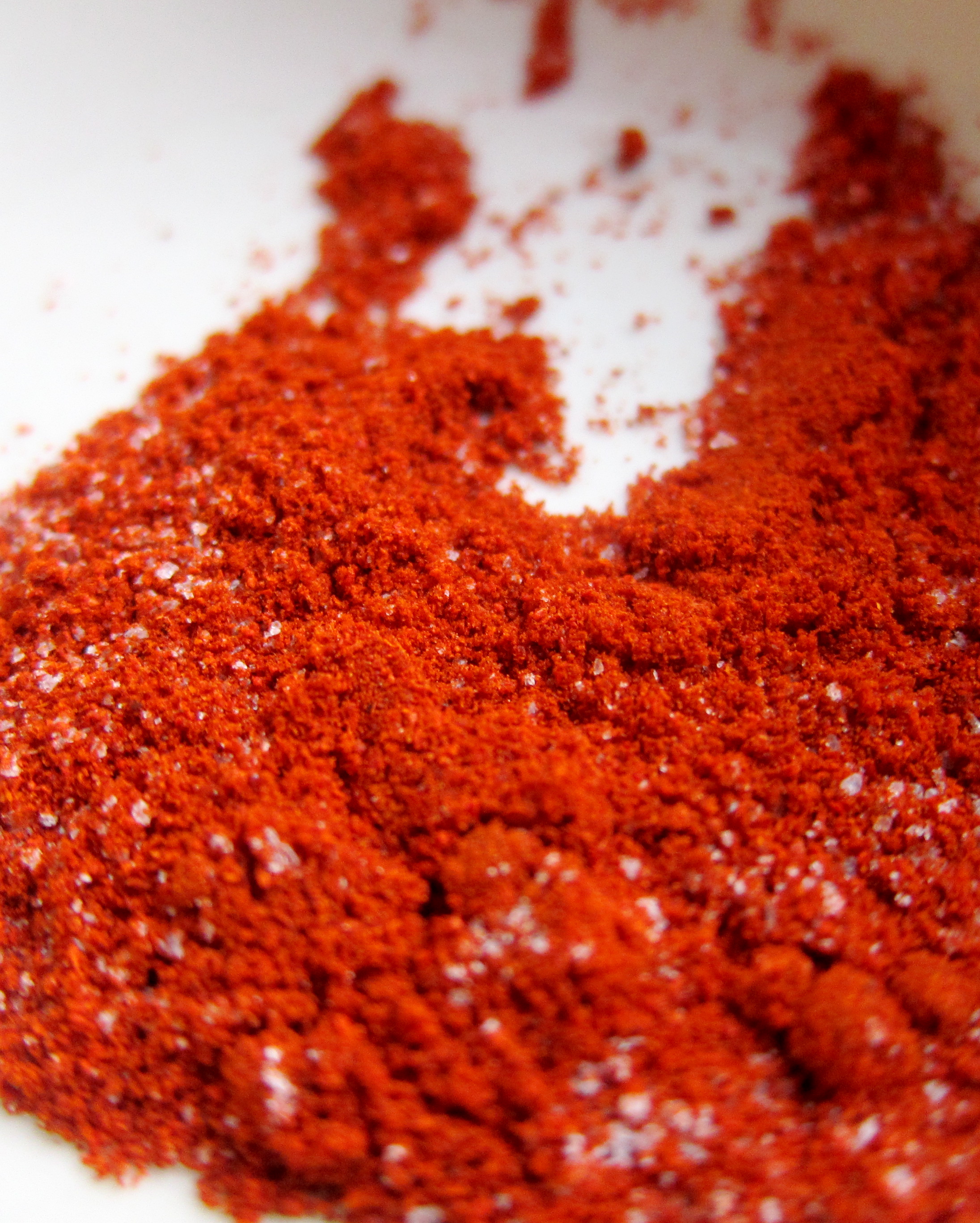
IMG_1085Paprika is a savage red, and though it might sound strange, I like a bit of savagery. I went to the Museum of Contemporary Art in downtown LA yesterday where there was a lot of visual angst on display. Cavernous warehouses full of ripped metal and brown swaddling, swirling red daubs and matted roadkill. The colours were rust and grey and dried blood. Nothing had a frame, the frame was no longer needed. The only room I liked was the one housing the permanent collection, the ones always there: Rothko, Willem de Kooning, Jasper Johns.

But it was a small, angry picture, the first one I saw as I entered, that held my attention. It was by Dubuffet, and it was called Le Havre. It was a map of sorts and the colours were wild and fierce. There was little attempt at verisimilitude. The painter’s quote next to it caught my eye. It said “Personally, I believe very much in values of savagery; I mean: instinct, passion, mood, violence, madness.”

IMG_1107

The paprika in the photo was in a bowl, powdery like pigment, along with other spices and teas in a stall at the farmers’ market. You were allowed to lift up a spoon of it and smell, and this helped because the one above was smoky and the other paprika was not. But the colour was the reason I bought. It made me want to stick a finger in the middle. It was an angry red, savage, mad and violent.

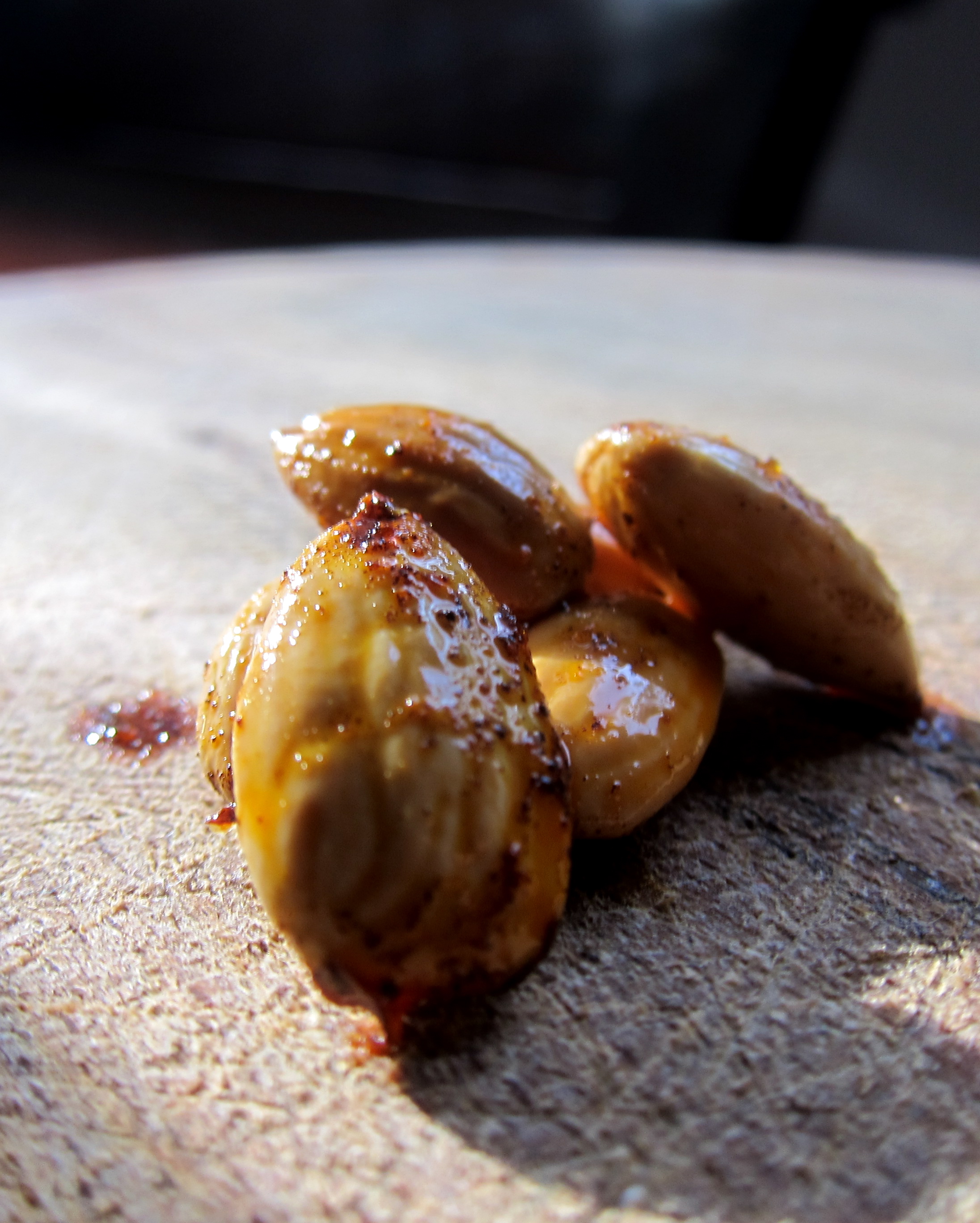
Just so you know, paprika is the dried and ground flesh of peppers (cayenne pepper comes from dried and ground chillis – it’s easy to get confused). The peppers are dried from the oven, sun or smoke (the best over oak fires) and used mainly in Spanish and Hungarian dishes. Paprika can be sweet, smoky or hot with a huge variation both in flavour and colour. Try not to put the powder over direct heat or it will scorch and taste bitter. It has an affinity with coriander and cumin and potatoes, as well as chickpeas and dusted over halloumi. I tried it with Jerusalem artichokes to very good effect. The roasted almonds with paprika recipe is a Spanish one and smoked paprika is recommended.

Roast almonds with paprika and rosemary

Adapted from Sam and Sam Clark, Moro

250g whole blanched almonds

2 tsps of olive oil

1 tsp of smoked sweet paprika

1½ tsps of flaky sea salt, like Maldon

2 sprigs of rosemary, chopped finely without any wood

Preheat the oven to 150C/300F. Place the almonds on a baking tray and dry-roast in the top of the oven for about 10 minutes or until starting to turn golden. Remove and stir in the olive oil, paprika, salt and rosemary. Return to the oven for around 10-15 minutes. Everything should be sizzling and fragrant. If you would like to crisp everything up a little more, give the nuts a shake in a dry frying pan/skillet at the end. Remove and cool before eating.

Jerusalem artichokes with garlic and paprika

Adapted from Nigel Slater, Real Cooking

Serves 2

500g Jerusalem artichokes (3 or 4 big handfuls)

Butter, about 75g

6-8 cloves of garlic

A couple of bay leaves

1 heaped tsp of paprika

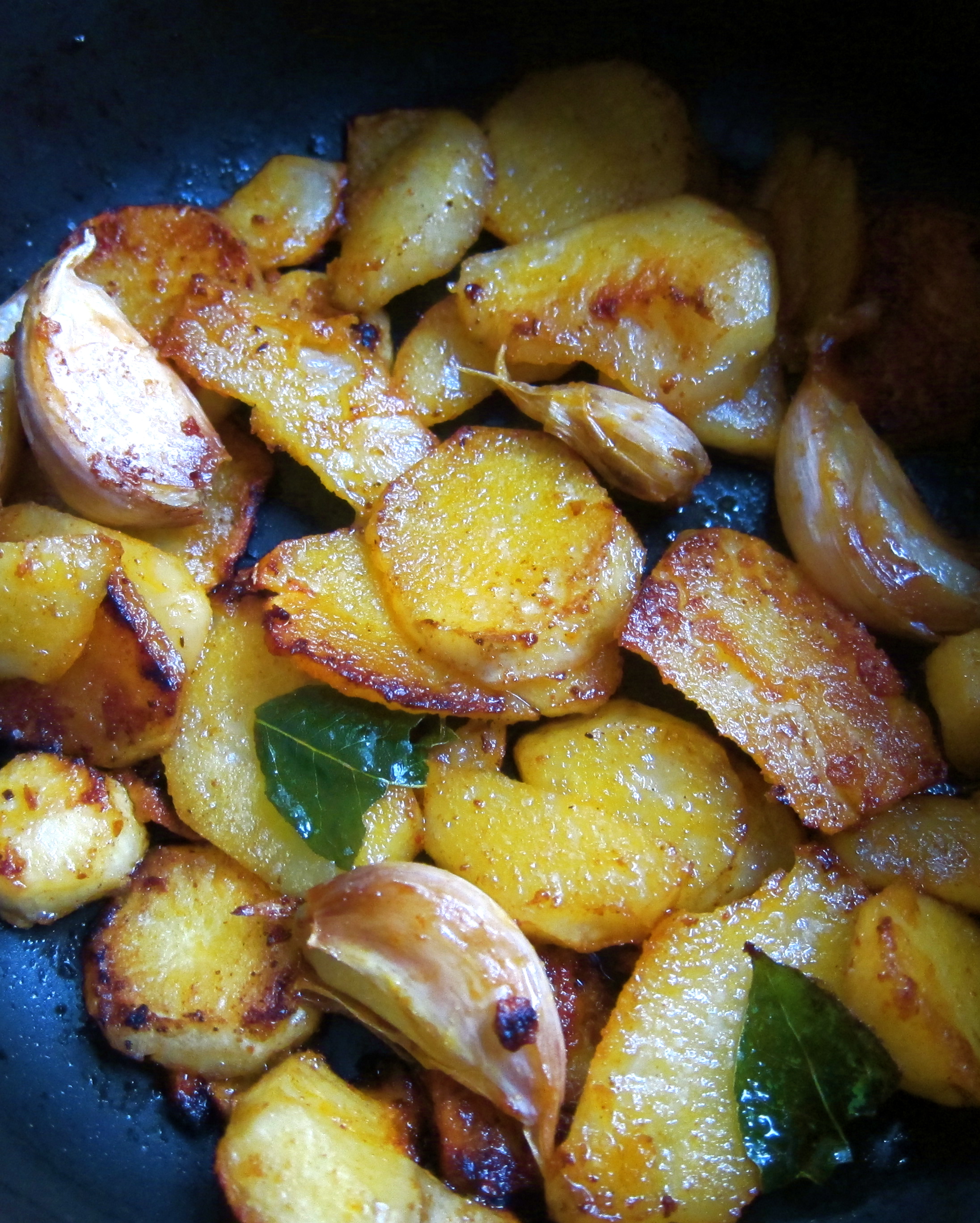
Peel the artichokes and slice them into rounds. Melt the butter in a shallow pan, one which has a lid. Drop the garlic cloves, whole and unpeeled, the bay leaves and the paprika into the butter and whirl it around with a wooden spoon. Add the artichokes and cook over a moderate heat until the chokes and garlic are slightly golden. Take care not to let the butter burn. Pour in a small glug of olive oil if it looks that way. Turn the heat down so the butter is lightly bubbling, cover with a lid and cook for about ten minutes. Shake the pan as they cook. Remove the lid, turn up the heat and continue cooking until the artichokes are tender, golden and crusty. Eat with the smashed open garlic pearls.IMG_1022

Coconut, macadamias & a hammer

Tags

, , , , , ,

IMG_0972

I found the macadamia nuts in their shells at the Santa Monica farmers’ market. I was surprised to see them at all. In fact, I was looking for hazelnuts, of which there has not been a snifter. I’m not a fan of exotica in food generally, nor do I warm to the tropical, except for Bounty bars. I once went to the Philippines, which was full of places that looked like the ideal location for a Bounty advert: milk-soft ocean, leggy coconut palms, acres of white sand. At one point a very Americanized Filipino leaned over to me and said “Isn’t this the best decision you, like, ever made?” How to say no, without seeming ungrateful? I probably just nodded and hoped my eyebrows were holding back some of the sweat that I could feel pouring out of my hair.

The one thing I will remember fondly was the man who sang Tears in Heaven every evening yards from my beach hut. He had a rather limited repertoire, but a really nice voice. All the restaurants had their own singer, and the songs were mellow and often accompanied by a single guitar. I remember feeling completely miserable, alone and in paradise. Actually, I wasn’t alone because fishermen used to sleep in my hammock. 

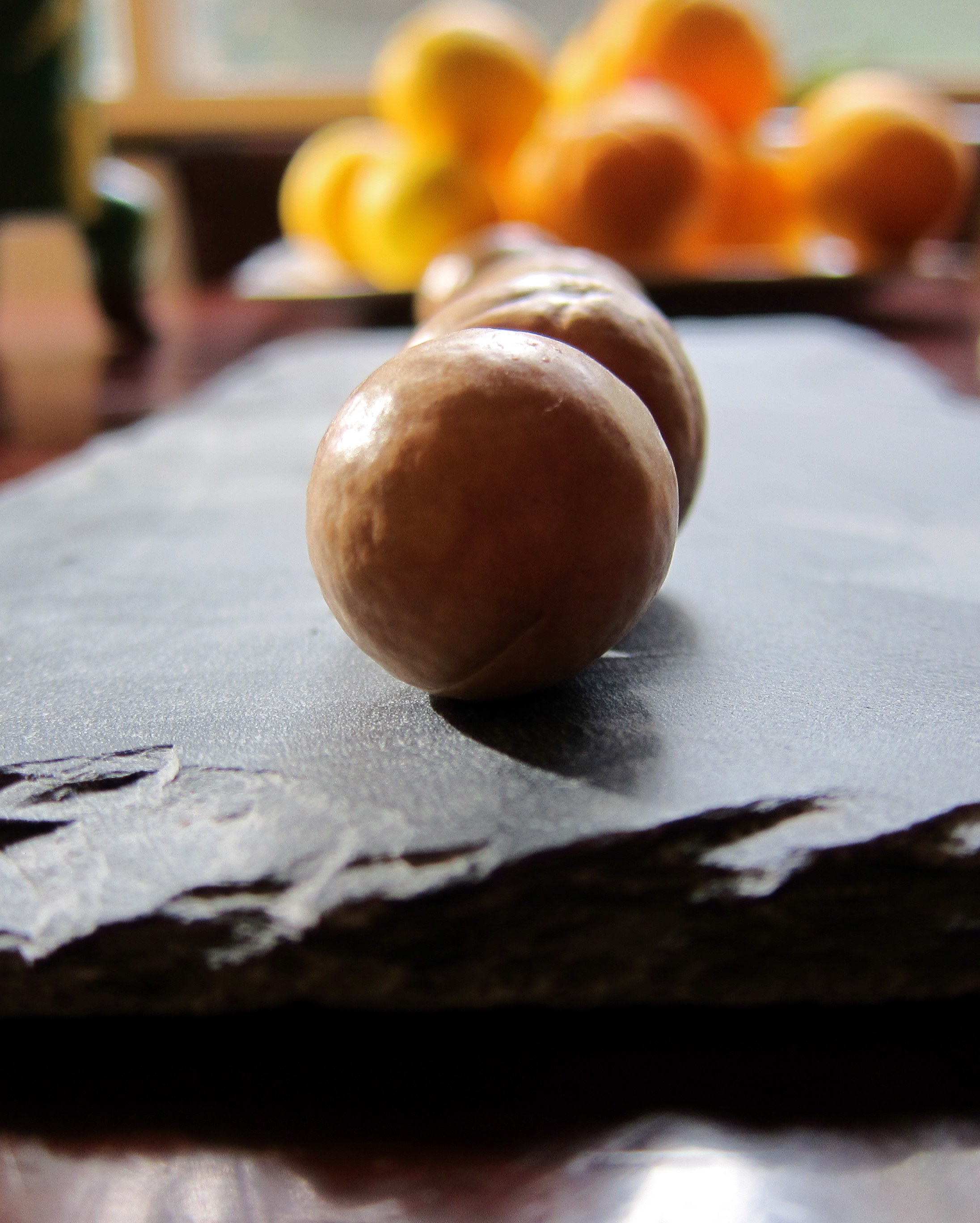
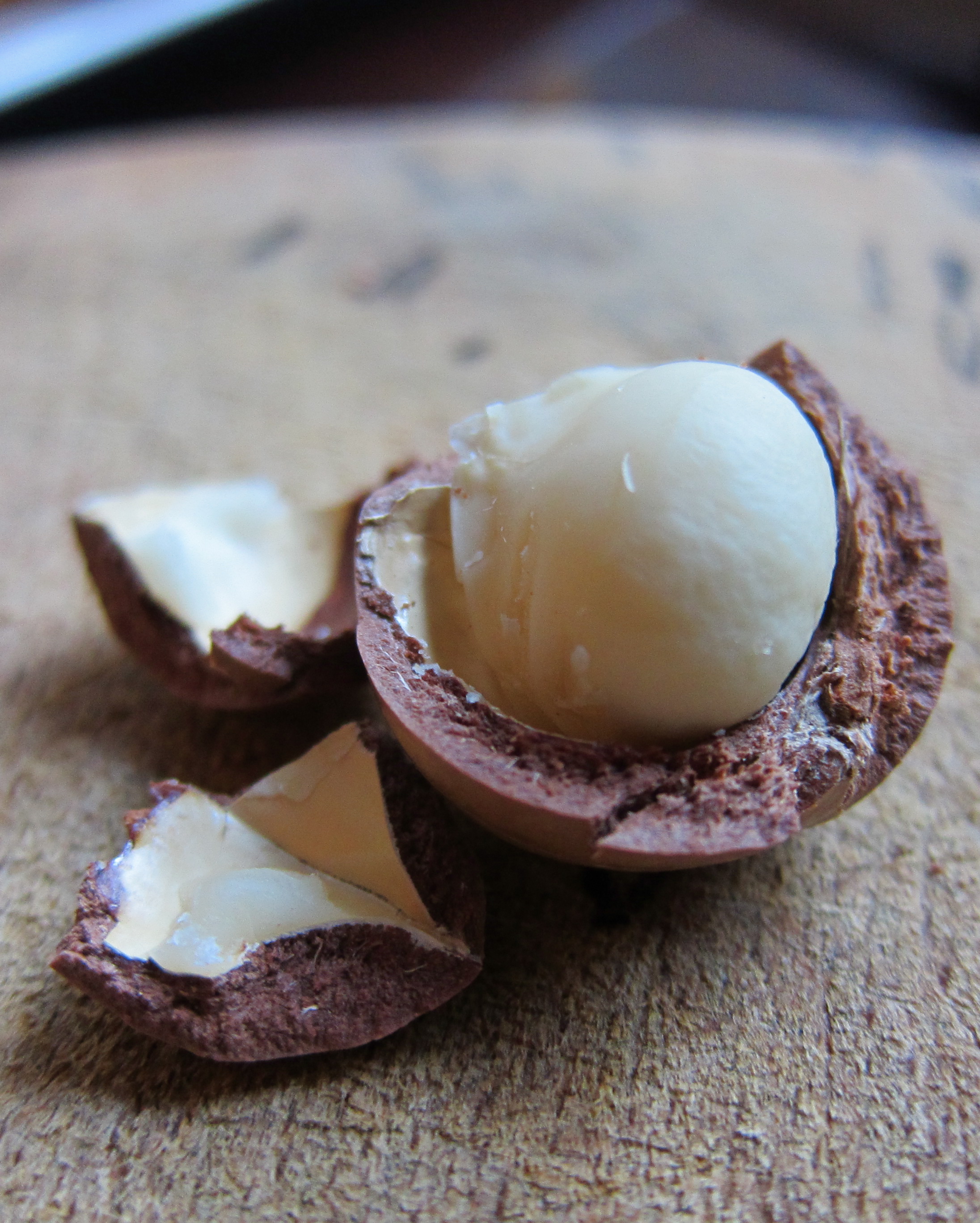
Macadamias were introduced to southern California in the late 19th century from Australia, their native soil. They have similar demands to avocados, and are scattered throughout avocado groves and sometimes citrus here for that reason. I was shocked at how they looked once shelled (they are almost impossible to crack – hence the hammer). They are so perfect and pristine it’s unnerving – exact yet miniature, like Japanese netsuke. They are buttery, in the way of a Brazil nut, but sweeter and creamier; they need the dry heat of the oven to do them justice. Alternatively – and I can’t blame you – buy a bag of them shelled and save yourself the agro. I apologize in advance for the expense. They are known as the brat of the nut world, probably for this reason.IMG_0978

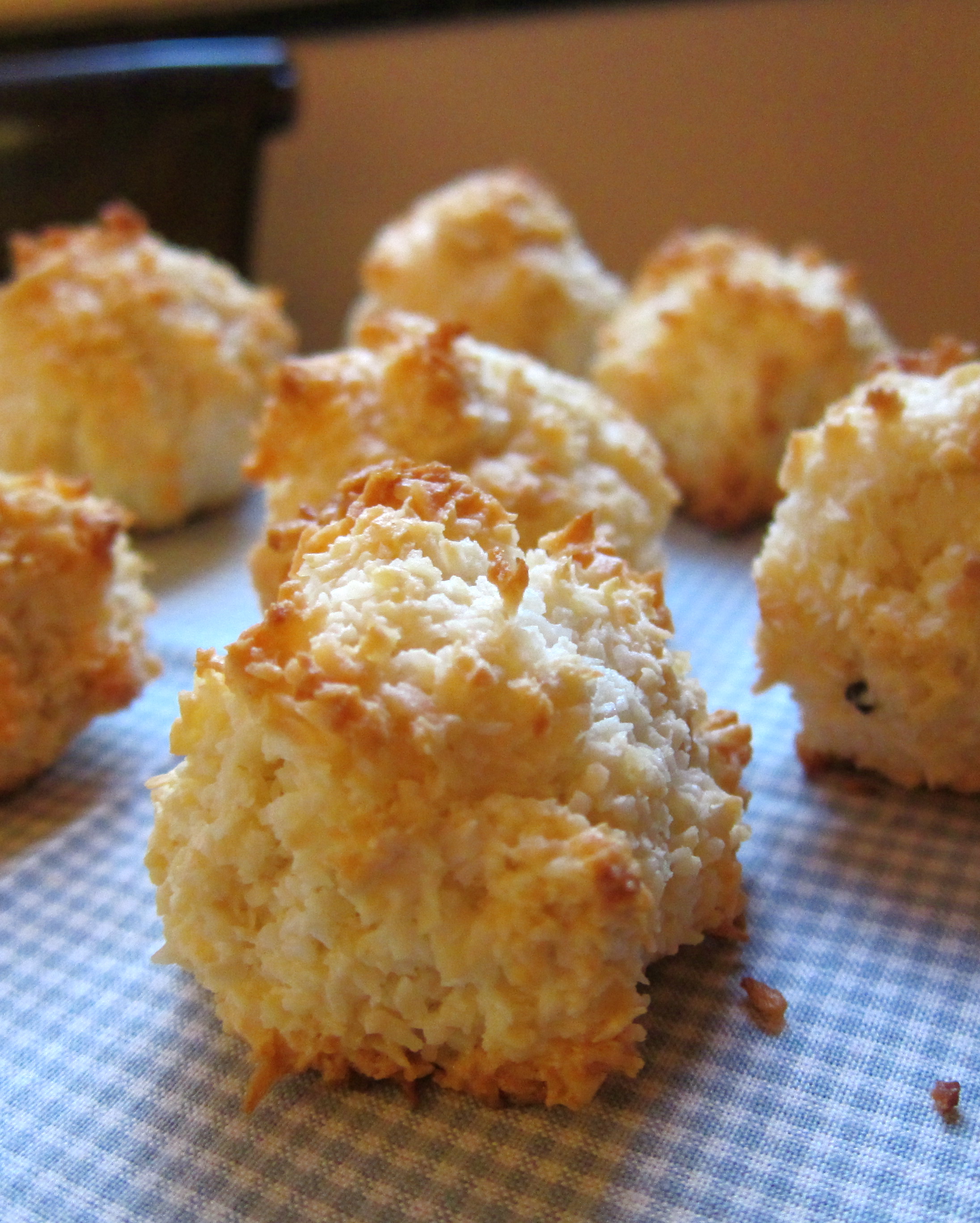
I have long held a love for the coconut. The damp matted stuff, fragrant, sweet and nutty has an affinity with macadamia nuts. Coconuts are available year-round but peak in the autumn and winter. I am happy to bring you macaroons, because I think they are lovely in size, easy to make and timeless. They should be eaten on the day they are made though as they stale up easily. The macaroon recipe calls for shredded coconut, which is a common ingredient in the US. The UK version, called desiccated coconut, is very similar. Alternatively, buy a fresh coconut – pierce it, drain off the juice (and drink it, it’s very good for you), crack open the shell with a hammer (yes, again) around the ‘fault’ line, and separate the flesh. Peel off the brown skin with a knife and grate the flesh in a processor. If you think this is too much faff and expense for one recipe, I suggest making the coconut-macadamia shortbread too (see recipe below).

Coconut-macadamia macaroons

Adapted from Lindsay Shere, Chez Panisse Desserts

& Nigella Lawson, How to be a Domestic Goddess

IMG_1006

2 large egg whites

¼ tsp of cream of tartar

⅓ cup (25g) of sugar

Pinch of sea salt

1½ cups (150g) of shredded coconut

½ cup (75g) unsalted macadamia nuts

Line a baking sheet with parchment paper. Preheat the oven to 160C/325F. Toast the macadamias until just beginning to colour – about ten minutes max. Then cool and chop fine by hand. Beat the egg whites until frothy – no more – then add the cream of tartar and salt and carry on beating until soft peaks are formed. Beat in the sugar until the whites hold stiff, shiny peaks. Fold in the nuts and coconut. The mixture is sticky but should hold its shape, just. Form into small domes – say 2 to 3 inches in diameter. Cook for 15-20 minutes or until they are turning a golden brown. Makes 8 large-ish macaroons.IMG_0990

Coconut-macadamia shortbread

Adapted from Nick Malgieri, The Modern Baker

For the shortbread

½ cup (100g) sugar (Use coconut palm sugar if you can get it)

1½ ounces (50g) unsalted macadamias, crushed with the bottom of a pan

2 cups (250g) all purpose flour*

¼ cup (25g) shredded coconut

½ tsp baking powder

12 tbs (1½ sticks/175g) cold, unsalted butter cut into small pieces

Pinch of sea salt

For the top

¾ cup (about 3oz/75g) unsalted macadamias, crushed and finely chopped, not ground

⅓ cup (75g) coconut palm sugar (or any soft, brown sugar)

Generous sprinkling of flaky salt (such as Maldon)

Line a baking sheet with buttered parchment paper. Preheat the oven to 160C/325F. Combine the sugar and macadamias in the bowl of a food processor or blender and grind finely. Add the flour and baking powder and pulse several times to mix. Add the butter and pulse until it is finely mixed in. The mixture should be powdery. You could do this with your hands if you work fast.

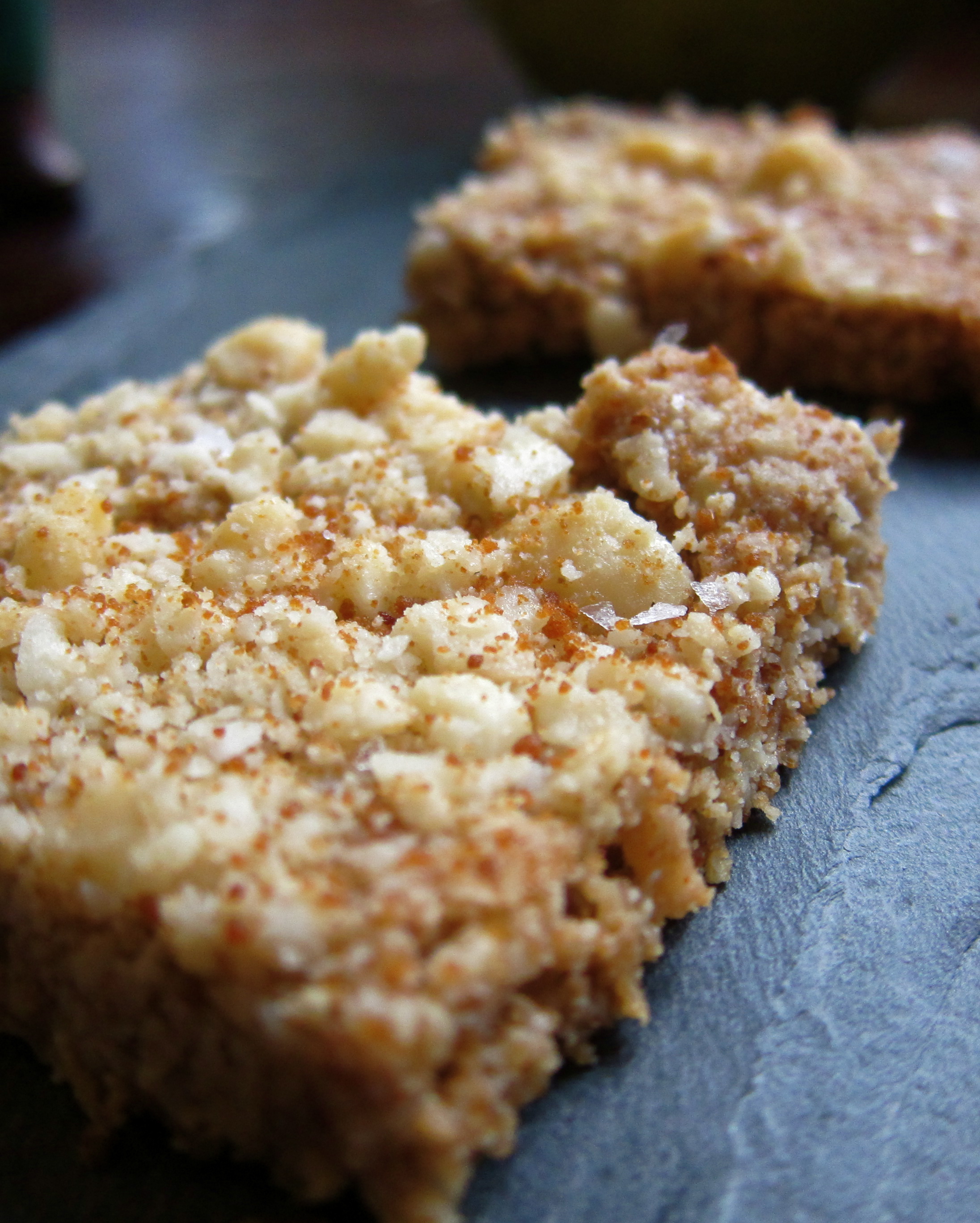
Distribute the mixture evenly all over the lined and buttered pan. Use the palm of one hand to press it in. Sprinkle the dough with water and scatter the chopped nuts and sugar evenly on the dough and use the palm of your hand again to press them in. Sprinkle with the flaky salt. Bake the shortbread until it is golden and firm – about 25 minutes. As soon as you remove the pan from the oven, grip the opposite ends of the paper and lift the slab of baked dough onto a cutting board. While the dough is still hot, cut into 2 inch (5cm) squares. Let the shortbread cool and crisp up. If you want it crisper, you can return it to the oven at 300F/150C for a further 10 minutes, then cool the pan on a rack. The sugar and salt are a really lovely combination and enhance the rich nuttiness of the shortbread. Makes about 24 2-inch (5cm) squares.

*Use ground almonds if you want to go flourless – it will be much softer and sandier but still very good. Reduce the butter to 6 tbs and melt it beforehand.