Time off

Tags

, , , ,

IMG_3264

I’ve decided to take a break from blogging for a little while. Although there are plenty of things to write about, I’m finding it hard to write about them. Sometimes when the words won’t come, you can either force them out or have a rest. This is not very journalistic of me, I admit, and perhaps it’s undisciplined, but I’m interested to see what happens if I stop for a while.

I leave you with peaches, to show what’s been around. Here’s what is in store for us in the coming weeks: purple figs, garlic flowers pungent when crushed, pathways of golden grass, burgundy plums and green pluots to name just a few. Please dip back into the archives and enjoy the stories and recipes – there are many, and I hope they’ll give you pleasure. On a more frivolous note, in the words of E.F Benson and his 1930s ladies, Mapp and Lucia (who did very little else but lunch), this is not goodbye, but “au reservoir”. Enjoy your August.IMG_2608

Battered Blossoms

Tags

, , , , , , , , ,

IMG_3138

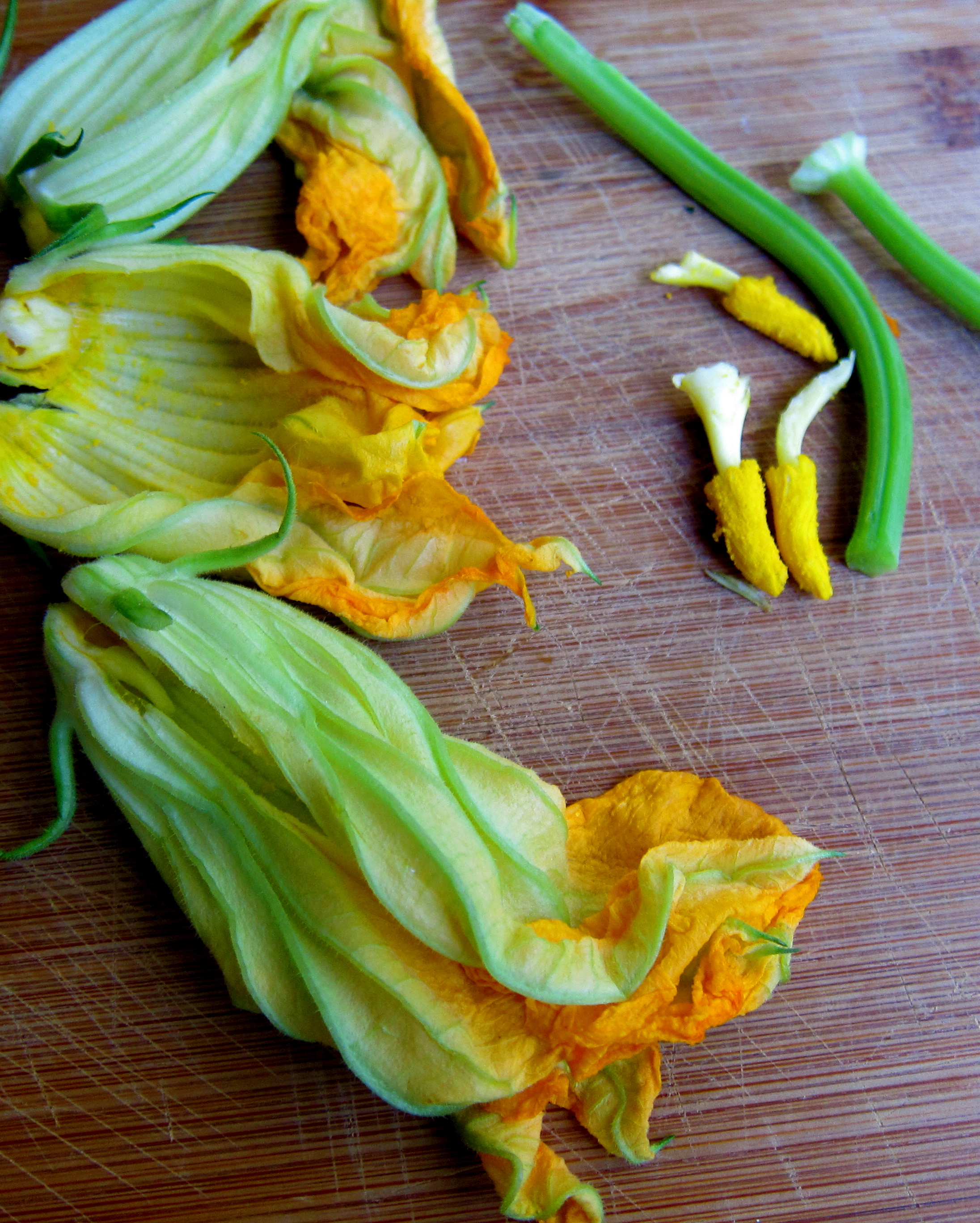
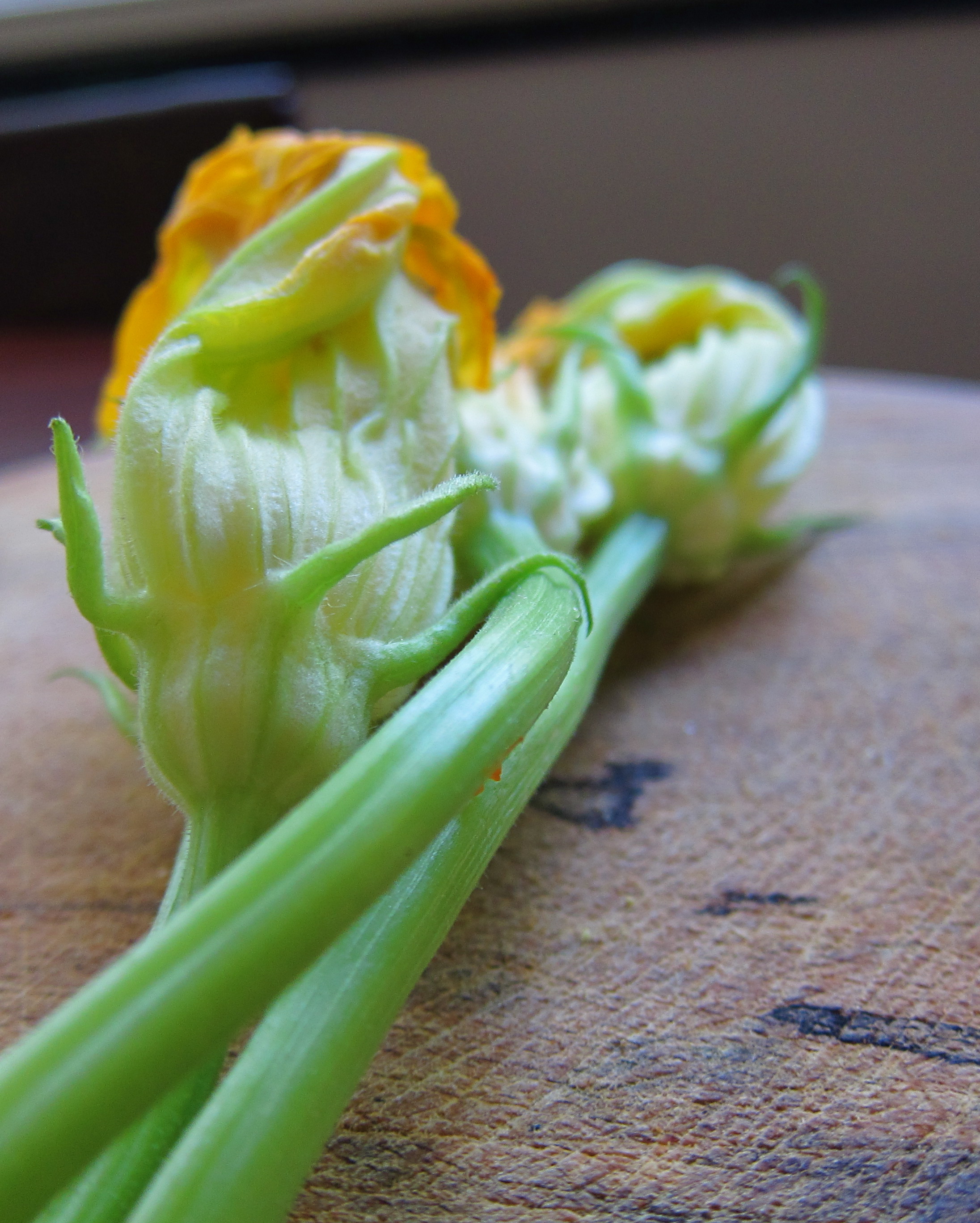
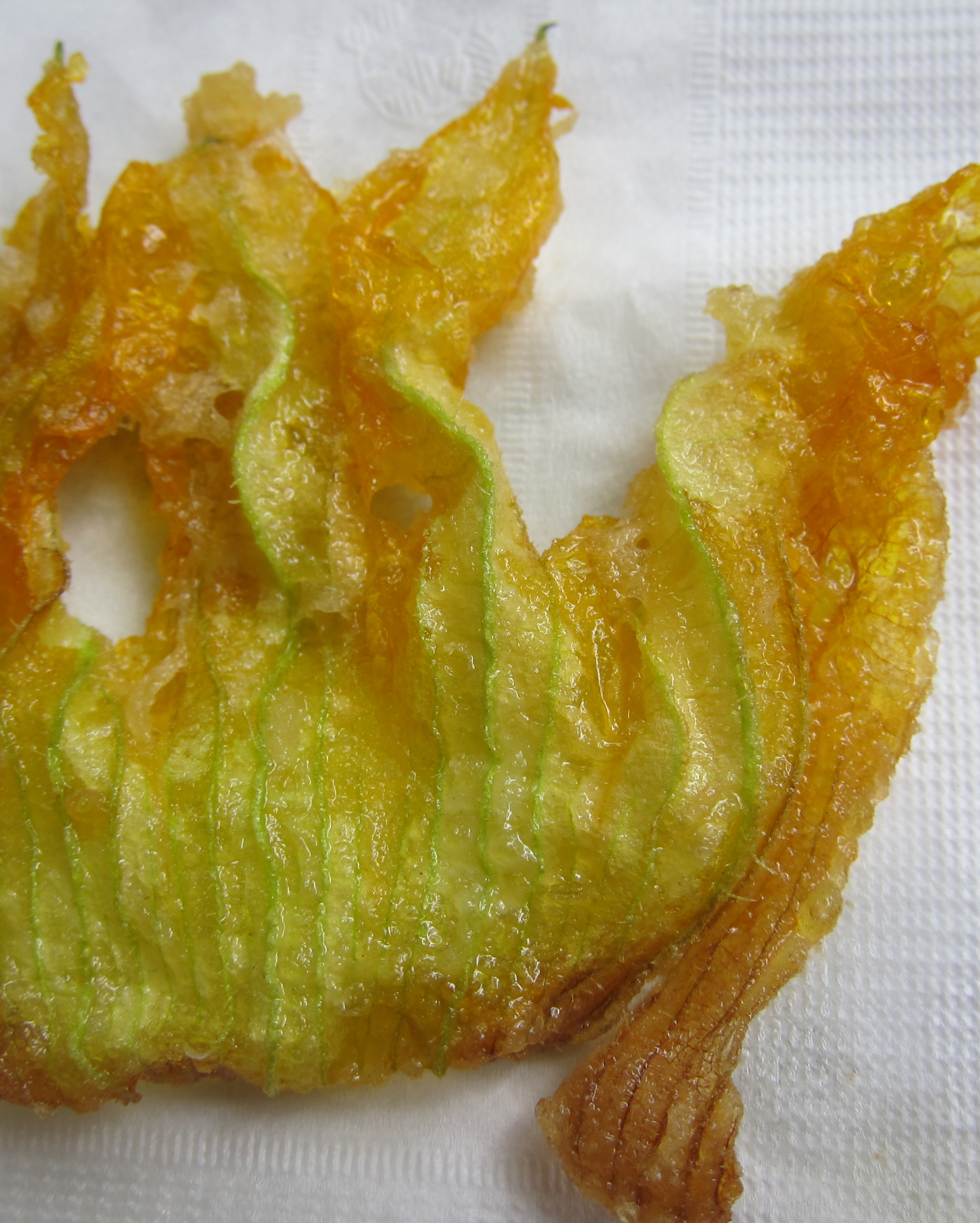
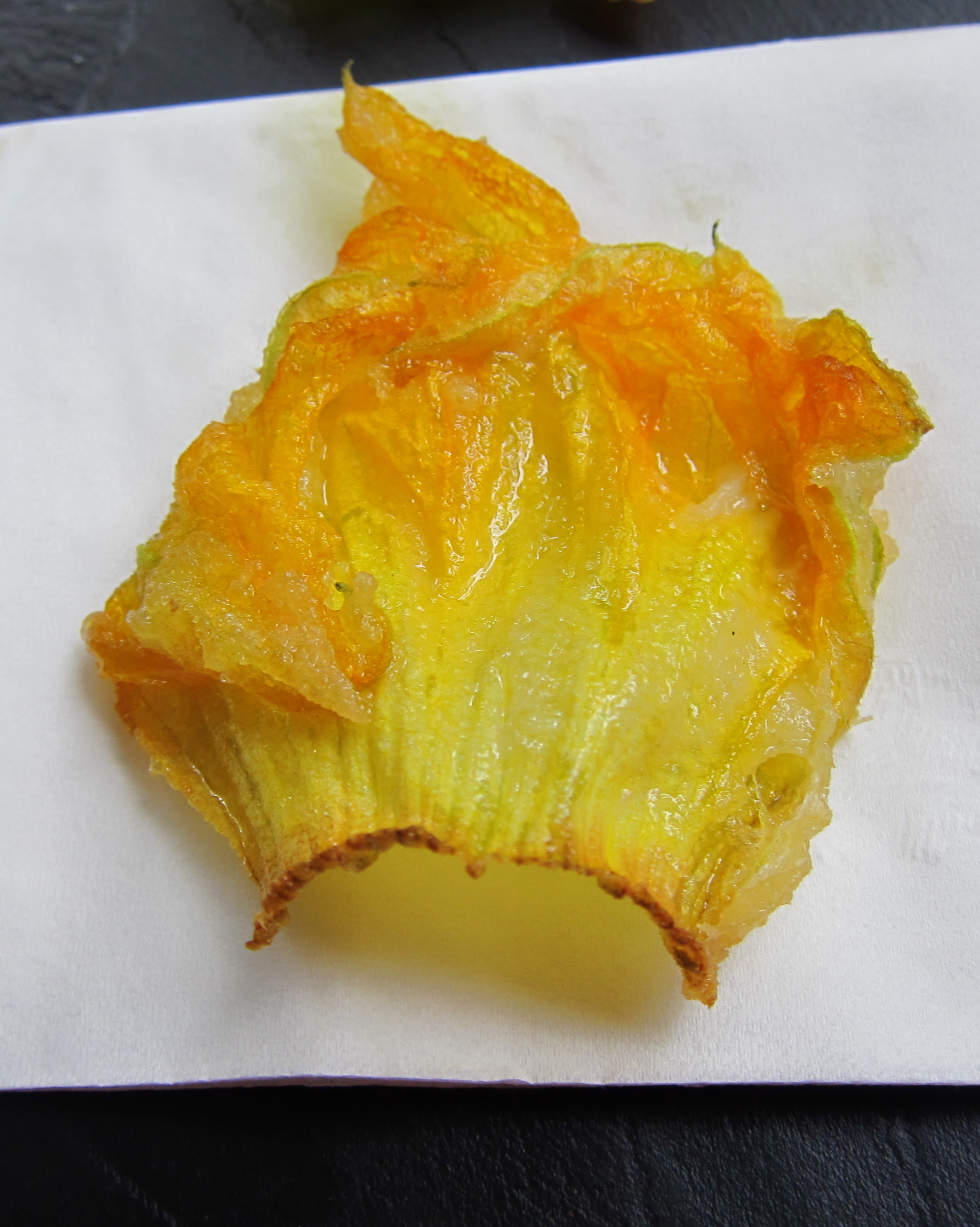
I just think these are lovely. Lovely looking, creamy, blossomy, with echoes of the courgette itself. A welter of these, piled high on a plate, having been plunged and fried in batter is the way. And eaten alone. That’s how I remember them when I lived in Rome as a student. This was the early nineties and even my pajamas had shoulder pads. Everyone had a cleavage and shoals of men followed me (and every other young woman in the area) home, loitered and then dispersed to find other prey. I remember these blossoms in their crisp casings were handy at parties – you could walk around with one, and a napkin would quickly blot up any lingering grease. Either that or it could double as lip gloss.

Everyone of my age in Italy lived at home and remained there in their childhood bedrooms doted on by housekeepers until they found someone to marry. No one left home to go to university, except I was at the university of Rome and needed a place to stay, so I lived in the garden flat of an Italian family in Parioli, a swish, hilly enclave.

The flat was actually a garage with a bed in it and a small toilet. I remember a window but not much light entered the place and I often woke up at midday or even later, muddled and confused and late for class. I taught English as a foreign language on the side, but this was tricky if still asleep. The dampness and general humidity both in the flat and in Rome in deep summer gave me what is known commonly as il colpo della strega (translated as ‘the witch’s blow’), a lower back paralysis eased almost immediately by plunging into a hot bath.

I remember stepping over Marcello Mastroianni who was sitting on my doorstep, having a break from filming, and thinking that I should probably stop and say something, but I was more concerned about getting to the bakery in time to get my bread rolls. Mantovani rolls were thinly crusty on the outside with a warm belly of bread beneath; they were sweet and soft, and I would often walk along eating them bare from their paper bag – they needed absolutely no accompaniment. The same applies to these battered blossoms. Eat them bare, preferably walking, and find a skyline or seascape to stare at, or even a wall, and feel their grassy tentacles dissolve on your tongue. Actually, some soft airy bread might work alongside: ungreased and ripped open with savage fingers.

IMG_3122

Though these flowers look fragile and papery, they are in fact rich, and a few can make you feel quite woozy. The idea of the batter, known in Italian as la pastella, is to do justice to the delicacy and brightness of the flavour, and so the cleanest, plainest sort is required. I used only flour and water, and a pinch of salt.

If you want an upgrade, you could follow Patience Gray’s instruction in Honey from a Weed, and add an egg yolk, a tablespoon of grappa and just enough water to the flour to make ‘not too liquid a batter’. The egg white is also incorporated just before making the plunge. I have never got to this recipe, because I have found the original batter to be exactly as it should be. You could use elderflowers instead of the courgette blossoms.

IMG_3226

Courgette blossoms fried in batter

Adapted from Marcella Hazan, The Classic Italian Cookbook

12-14 courgette blossoms

Vegetable oil, enough to come 18mm (¾ inch) up the sides of a frying pan/skillet

Flour-and-water batter ( see below)

Sea salt

Put 250ml (scant ½ pint) of water in a bowl and sift 80g (2¾ oz) of plain flour over it, beating all the while. By the end, the batter will have the consistency of double/heavy cream. Leave to rest while you get on with the courgette blossoms.

Wash the blossoms quickly and tenderly under cold running water and dry them gently on kitchen paper (this is not essential if you know where they’ve been). Snip off the stem and the little hook-like leaves at the base of the blossom. Slit the blossom open on one side (imagine you’re reading a book) without dividing it. Remove the little orange bulb within, otherwise known as the pistil.

Heat the oil over a high heat. When it is very hot (drip the minutest drop of batter into the hot oil and see it shrivel up instantly to gauge readiness) dip the blossoms quickly in and out of the batter and slip them into the frying pan. It is important to get the blossoms as open and as flat as possible, otherwise clumps of uncooked batter get secreted in the grooves. When they are golden brown on one side flip them over to cook on the other side. Transfer to kitchen paper to drain, sprinkle with sea salt and eat quickly, while still hot and crisp.

Crema Catalana plus fennel

Tags

, , , , , , ,

IMG_3065

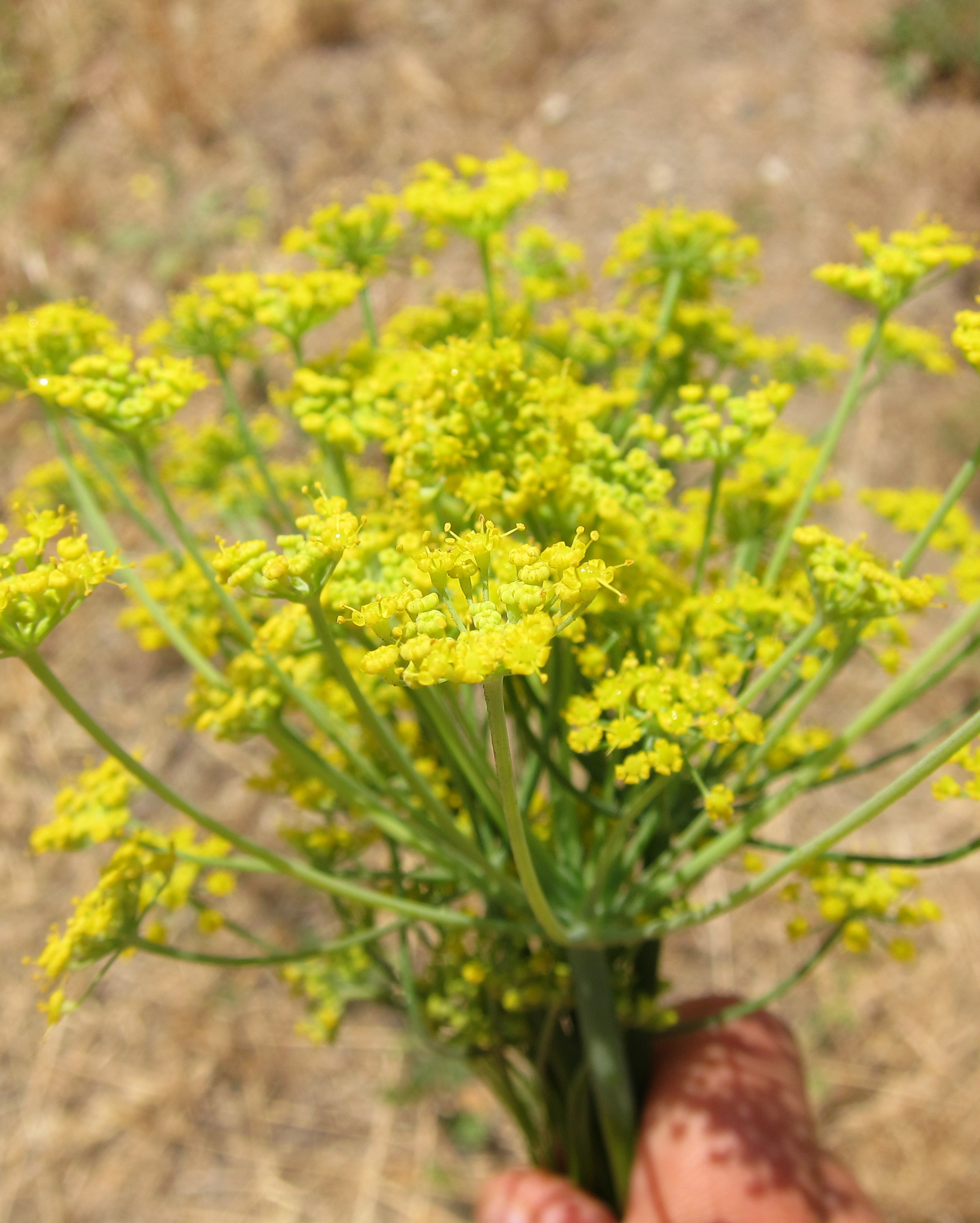
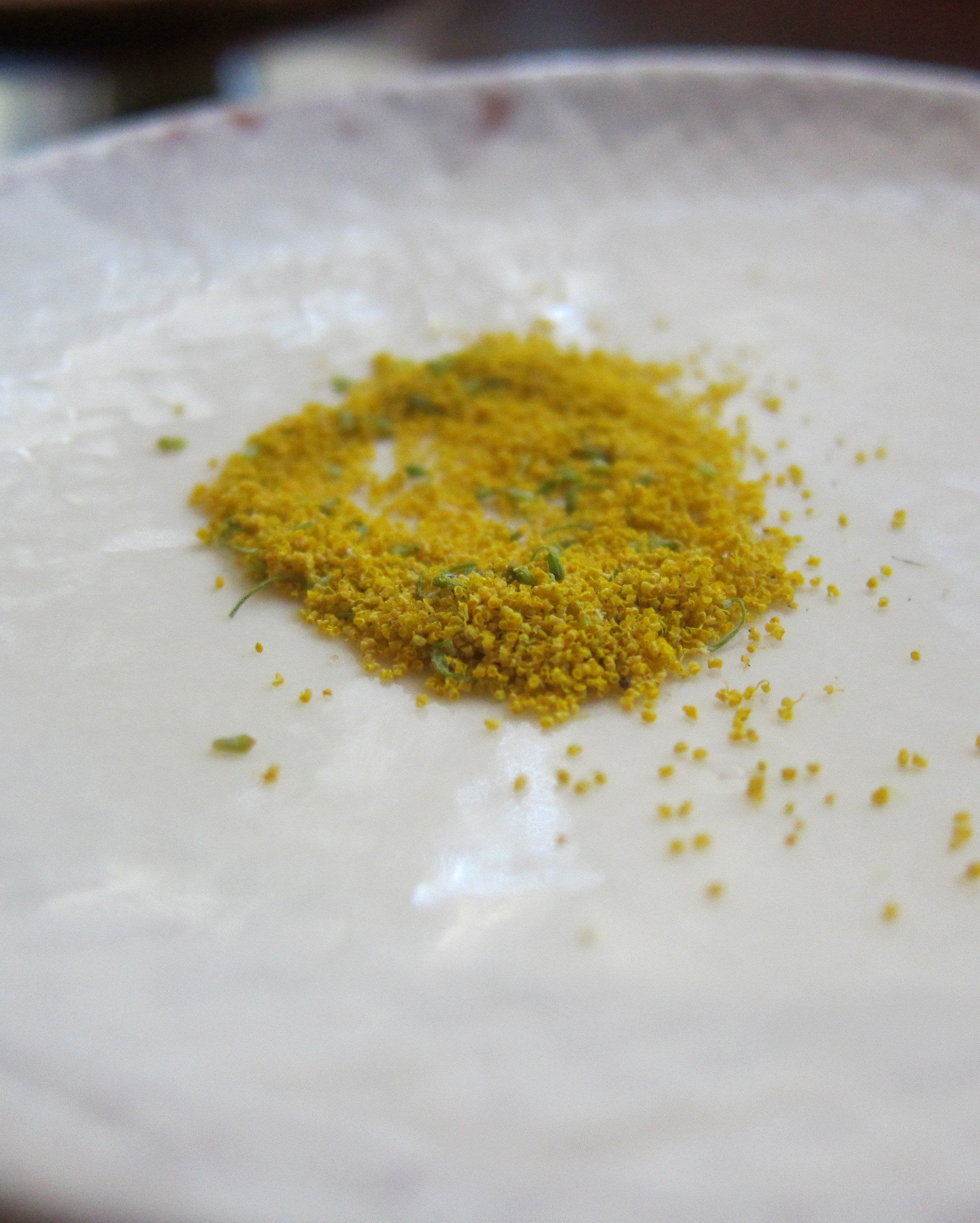
These are wild fennel flowers. They are even sweeter and more fragrant than the fronds, but their pollen flies everywhere, so if you’re thinking of picking some for their prettiness alone you might want to be aware of ‘pollen dandruff’. We picked off the little flower heads and munched away in the car. It was amazing how sweet they were.

Traditionally, the flowers are immersed in white wine vinegar, which is then used to enhance the flavour of capers. I didn’t think capers needed enhancing, but apparently they do. I did in fact thread a flower head through the neck of a bottle of fairly standard white wine vinegar. Apart from the excitement of doing this successfully which made me think of ships in bottles, the vinegar was gorgeous: thinly acid but full of glorious sweet fennel, and as the days passed it took on a deeper, throatier quality. I wanted to pass this on, because it really makes a difference to a salad dressing if you use it.

Fennel pollen

Fennel pollen

This recipe is from Catalonia where they call it Crema Cremada, which means ‘burnt cream’. Everywhere else, it is called Crema Catalana, which tells you everything you need to know about the Catalan personality. It is a simple custard infused with lemon zest and, in this version, fennel. If you don’t have access to wild fennel, use fennel seeds  – all the recipes I have read do. Not everyone will like this custard, because it has such a polarizing taste. Normally I wouldn’t suggest a recipe that has this effect, because I think food should be democratic and unstuffy. But here I think that you should carry on regardless. Because it really is quite special, and once tried it is difficult not to fall in love.

I tried to describe the unique flavour of wild fennel in my post on the fronds. The most dominant element is licorice, and the flowers bring this to the fore. But while the commercial seeds have something of the night about them (the Michael Howard of the seed world) with a tarry, smoky, malt-like quality, the flowers (and the wild seeds too) are fresh, sweet almost to the point of sharpness and totally alive in the mouth. They taste wild, in fact. I think that is why milk is such a good vehicle here. Creaminess brings out the softness and sweetness and chilling dulls any lingering edge. You can go one step further and make ice cream, which is also lovely.

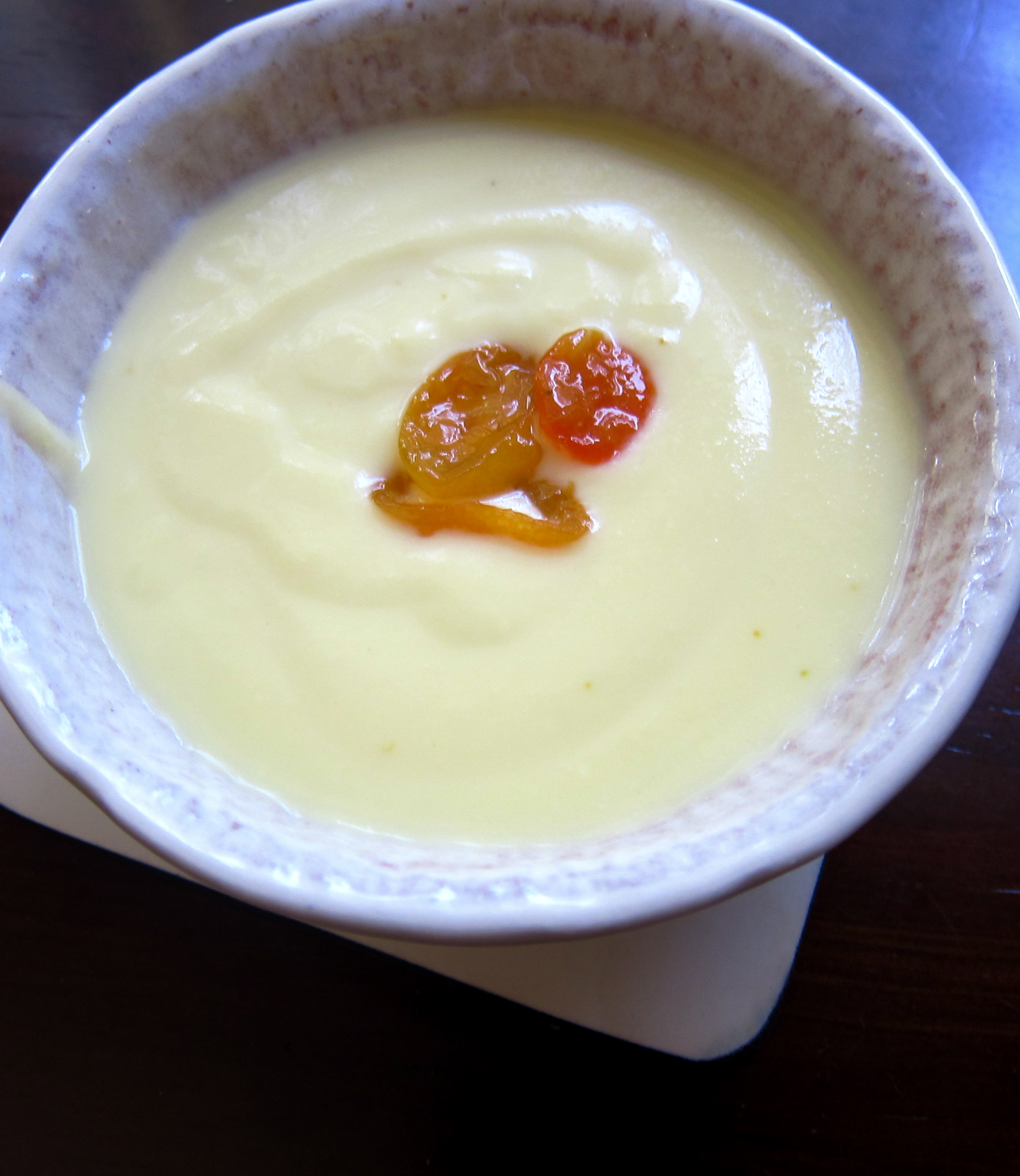
Crema Catalana with kumquats

Crema Catalana with candied kumquats

In a month or so, the mellow yellow starbursts at the top of the fennel plant will be full of the seeds, housed in pods, to be taken home, dried and stripped. I suppose, given that I live in a city and that many of us now do, it is an experience in wonder to be reconnected to old practices and traditions like this. I am aware, though, that this recipe comes perilously close to what my old acting teacher used to call the ‘crumbling pigs’ arseholes’ school of cooking, by which she meant a certain kind of fey, precious approach to food, using inaccessible or pretentious ingredients. I was thinking of calling this post Crumbling Pigs’ Arseholes in her honour, but thought better of it.

Crema Catalana

Adapted from Patience Gray, Honey From A Weed

If you really hate the idea of fennel, infuse the milk with a cinnamon stick instead – this is also traditional.

1 litre of whole, full cream milk

2 tbs cornflour

1 lemon, the peel cut into 1 or 2 long strips

4 egg yolks

4 tbs sugar

1 tbs crushed fennel seeds, 5g fennel flowers or 1/2 tsp of fennel pollen

In a cup dissolve the cornflour in 4 tbs of cold milk (the cornflour will prevent the eggs from curdling). Heat the rest of the milk in a large pan with the lemon peel and the fennel until it just begins to boil. Remove from the heat and leave to infuse for at least 30 minutes. In a bowl, beat the egg yolks with the sugar to a thick, pale cream. Then beat in the cornflour mixture. Gently reheat the milk and beat in a ladleful. Now slowly strain the rest of the infused milk into the egg/cornflour mixture. Pour this back into the pan and heat slowly, stirring continuously with a wooden spoon until the custard thickens to coat the back of it. Let it cool, stirring occasionally to prevent a skin from forming. Then pour into 6 clay ramekins or one large clay pot and chill for at least 4 hours, preferably overnight. I served mine with some candied kumquats, a nice combination.

IMG_3060

The Burnt Version

You sprinkle sugar over the chilled custard and heat it to a bubbling crisp. Traditionally, a salamander is used here – this is an iron disc that is heated until white-hot and then held over the sugar. The sugar caramelizes evenly without warming the custard. This is what I have always loved: the starkness of contrast in heat and cold. A grill/broiler will work too but you need to make sure the dishes you are using can withstand the heat, and there won’t be the same hot/cold differential. Or use a blowtorch.

Follow my blog with Bloglovin

Deep Purple

Tags

, , , , , , ,

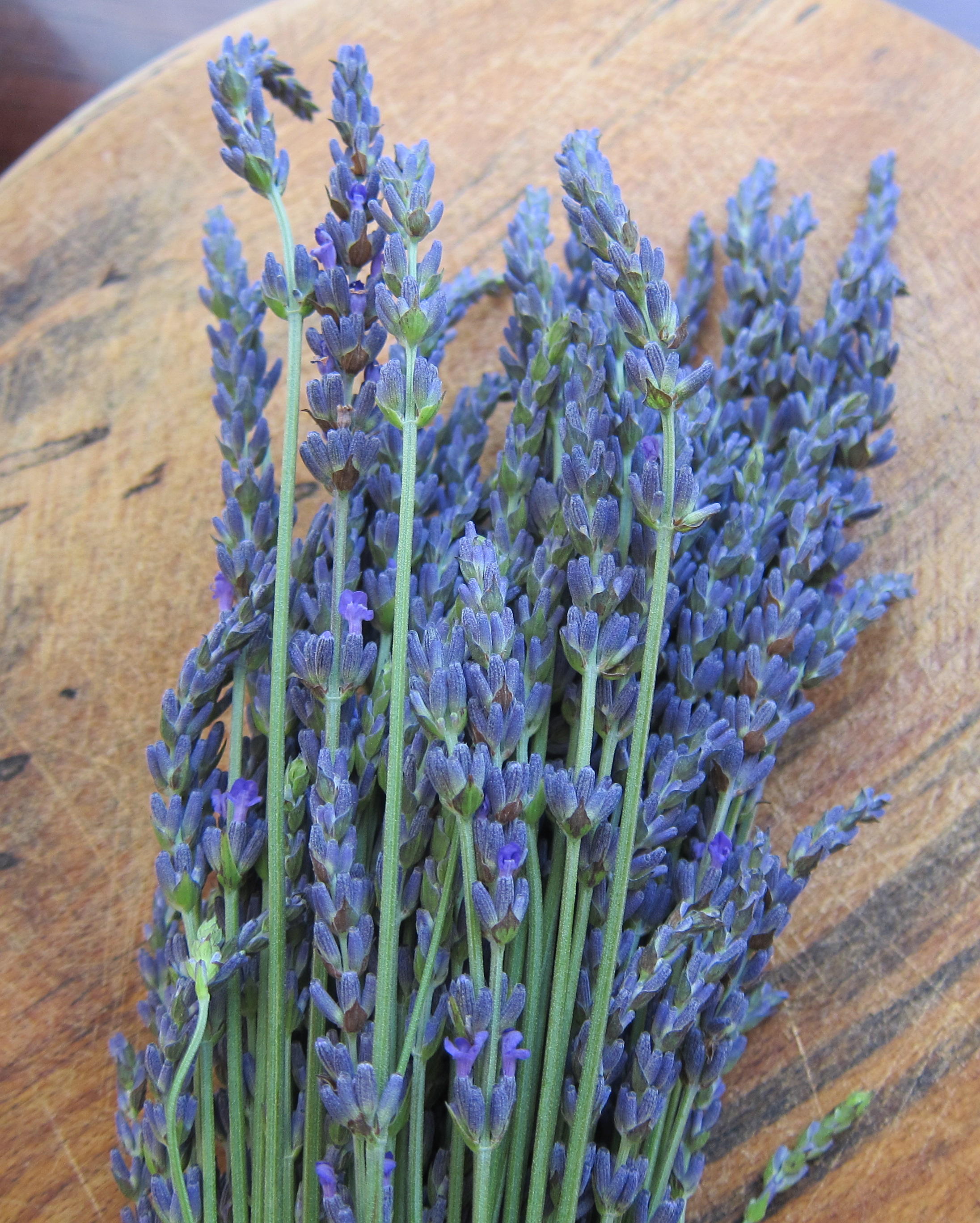
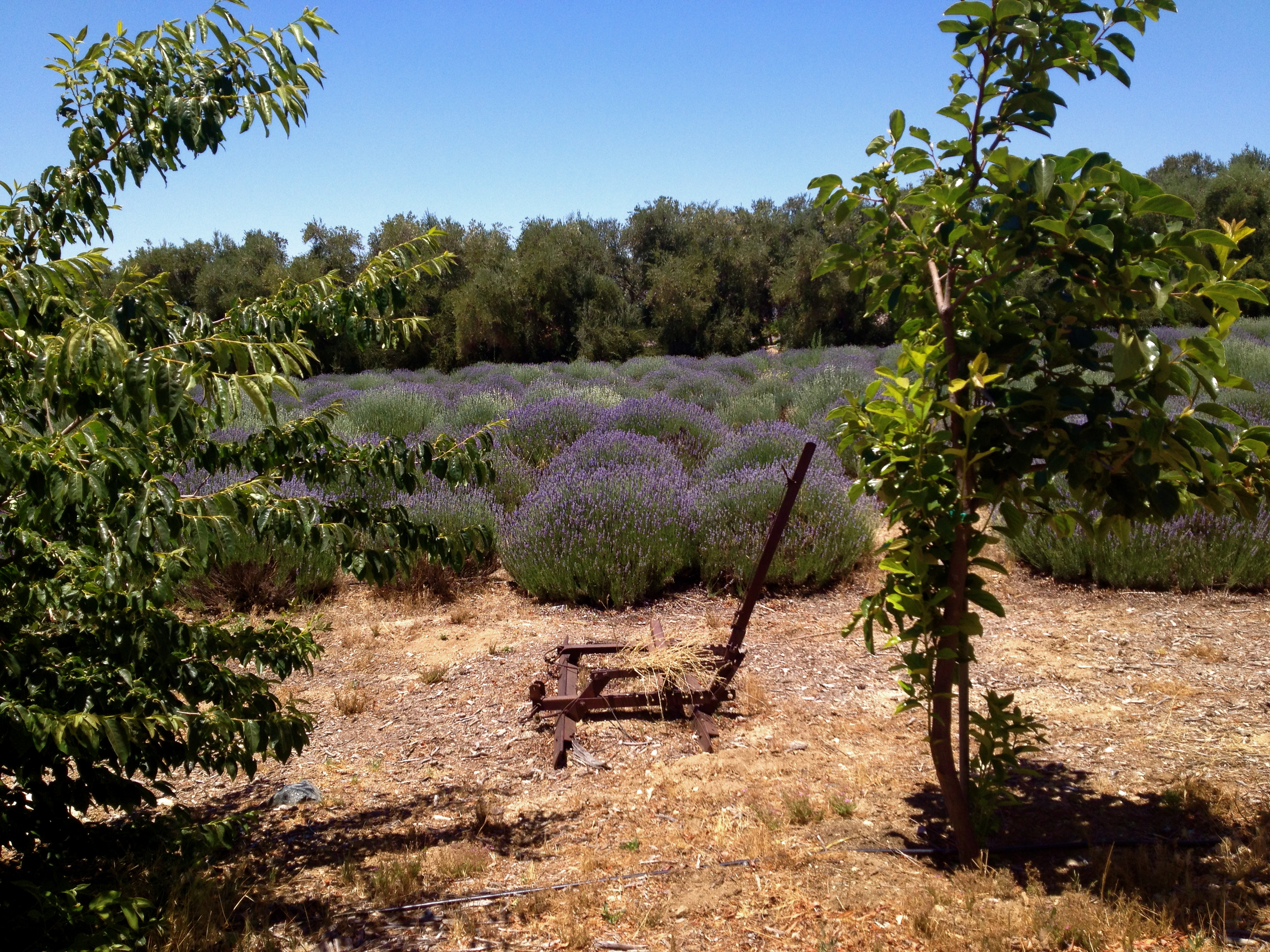
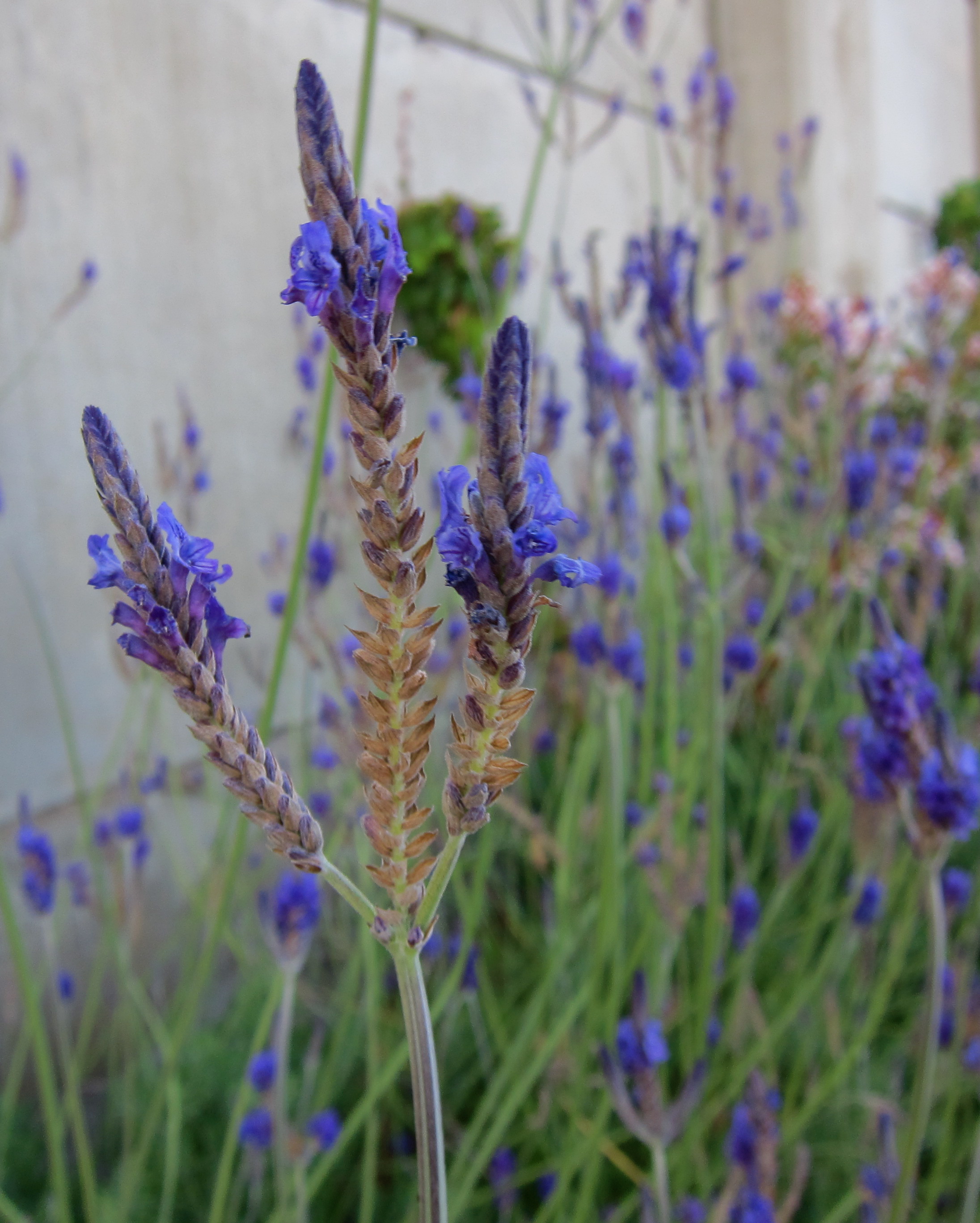
IMG_3022We recently went to a lavender festival in an area called, confusingly, Cherry Valley. No cherries as such, but a billowing sea of lavender instead, made all the more surreal by its position in a vast, merciless desert, with windswept plains filled with tumbleweed and signs advertising pleasant and welcoming mortuaries. The air was different too. Gone was the hot, dry wind that smelt vaguely burnt in nearby Palm Springs. There was coolness and an endless waft of fresh lavender here, so different to dried, which makes me think of scones and English B&Bs and ‘granny’s pants’. By this I mean stored, clean pants from another era, washed with old soap and perhaps not dried fully, so, though clean, there is a suggestion of staleness.

A fresh sprig of lavender – or should I say ear because to me it has the same corn-like structure – is quite different. Camphorous, sultry and direct. It smells more like it looks: purple and lusty. It is known as a sedative, mainly, something you apply to yourself or a pillow to aid sleep, but according to the talk we attended, it is more of a balancing herb, bringing you back from the brink, settling you back into the centre of things. There were many other things growing, thriving in this oasis – thickets of tea tree, and a long avenue of broad-necked olive trees amongst them. But you couldn’t escape the lavender. We waded through it, running our fingers through the brittle stalks, letting them whip back against our thighs, crumbling the flowers between finger and thumb, enjoying their spiky scent and tight whorls of colour. We found a stall selling lamb kebabs and sat rather drunkenly in the sweet fug of lavender and smoky meat.
IMG_0131The night before we’d decided to visit a casino nearby. We walked in and I had to walk back out again. Noise, made up of music and machines merging like screaming sirens in vague counterpoint, cigarette smoke, cold, piped air, and the look of glassy appetite on the faces of the gamblers all combined to remind me why zombies are still such a resonant force in our culture. Nothing about it made sense to me. And there are no windows, and no clocks inside the place, so you lose any sense of where you are. Who you are, even. More tawdry still is the fact that the casino is built on an Indian reservation, a result of the deal made between Indian tribes and the federal government that allows the Native Americans ‘tribal sovereignty’. It feels, to me at least, like a bit of a crap deal.

So we needed the lavender the next day. I was wondering, looking around, if the same people at the casino the night before were here in this place. It was possible: there were lots of benign-looking elderly ladies at the casino, perched on stools, resting their sticks against the machines, handbags at the ready. And here they were too, with their cameras and grandchildren. I’m not sure how you could do that – how you could square that world with this one. Or how we can ignore the world beneath both, when the land belonged to the Native Americans, before cultivation and agriculture, and every tree, plant and herb was theirs.

Tea tree

Tea tree

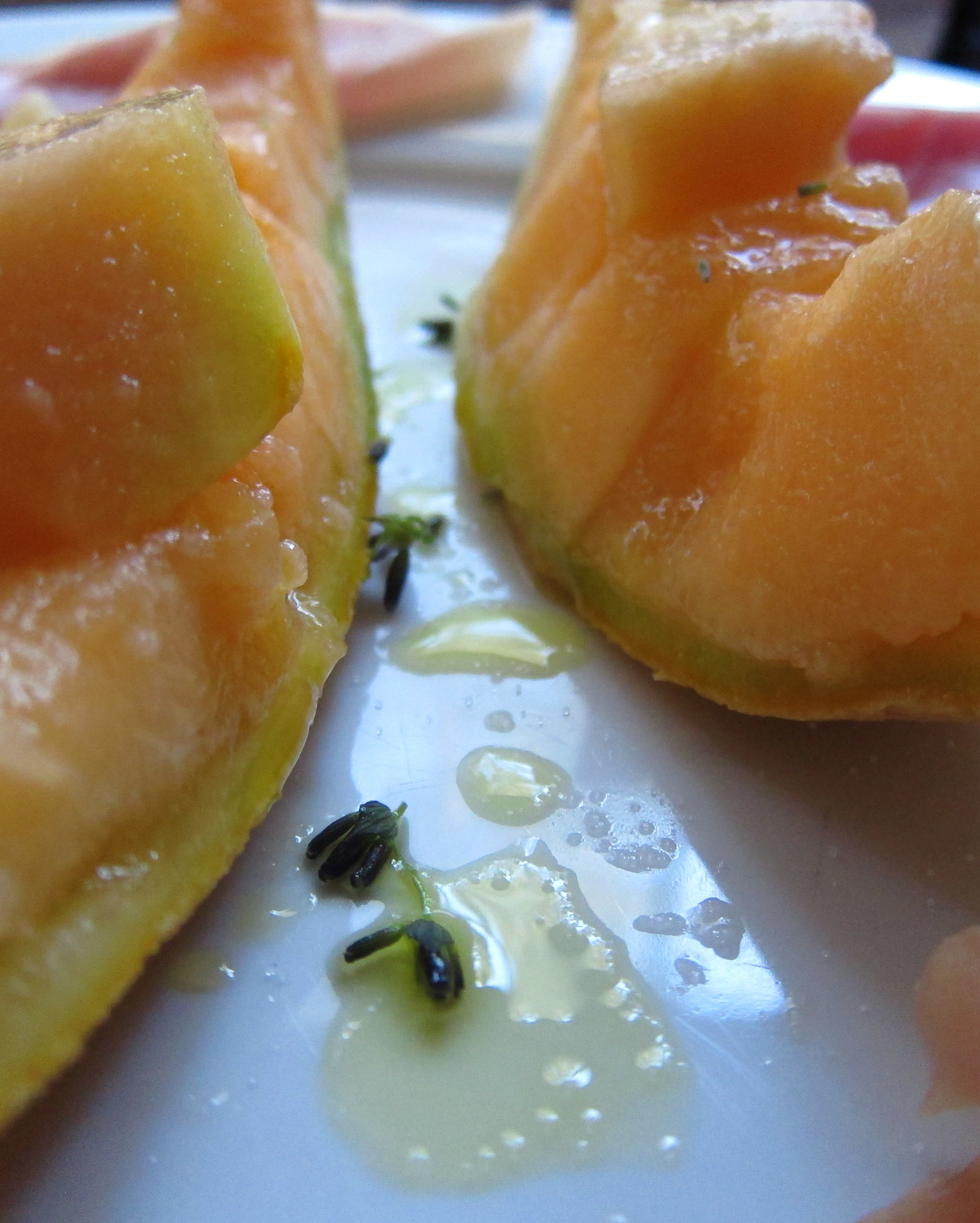
Lavender is an odd one to cook with – bitter or rather ‘faded’ has been my experience so far. Lavender honey works beautifully, of course, and there are Provencal dishes that use it imaginatively and to good effect: traditionally, it’s cooked with rabbit. I understand the theory that it works best if treated like rosemary and thyme. But I’d still rather cook with the last two, and keep the lavender as an essential oil, where it feels fresh and alive – the closest to rolling a torn sprig in my hand and letting the smell climb into my limbic system. Ken from The Garum Factory suggested I go the lavender-infused olive oil route and add a few drops over a dish (in this instance melon and Serrano ham) and he was right. The lavender is gentle and warm, and definitely in the background, with just a hint of floral. No granny’s pants here.
From the aromatherapist at the festival, I learnt the simplest technique for using the essential oil: add a few drops to a base of water and use it as a room and body spray. It is beautifully simple and effective. I’ve been dousing my sheets with it and myself (it is, along with tea tree, a clear oil and doesn’t stain fabric. You can also apply it neat to the skin). Also great for getting rid of any ‘untoward’ smells in the house. Recipes below.
IMG_0159
Lavender Spray
 Fill a clean spray bottle with 4 ounces of pure distilled water (or tap water)
Pour 6 drops of lavender essential oil directly into the spray bottle
Tightly close the bottle and shake vigorously to combine
Be sure to shake it before each use, as the water and essential oils tend to separate

IMG_3040

Lavender-infused olive oil, melon and Serrano ham
Adapted from Skye Gyngell, My Favourite Ingredients
English lavender (Lavandula angustifolia and Munstead) is commonly used for cooking
250ml (1 cup) of extra virgin olive oil
1 lemon
2 sprigs of fresh lavender
Pare the lemon zest in long strips using a vegetable peeler, and place it in a small pan along with the sprigs of lavender. Pour over the olive oil and warm gently to body temperature (around 99F) for ten minutes so the lemon and lavender can release their aromas. If you want a more pronounced lemon flavour, add the zest of 2-3 lemons. Remove from the heat and let stand for 30 minutes. Use on the day of making or within 24 hours. If using with the melon and ham, dribble over the cold fruit (which should be lightly salted) and serve with a scattering of lavender buds or flowers if you like.
“Mercury owns the herb; and it carries his effects very potently. Lavender is of special good use for all the griefs and pains of the head and brain that proceed of a cold cause, as the apoplexy, falling-sickness, the dropsy, or sluggish malady, cramps, convulsions, palsies, and often faintings. Two spoonfuls of the distilled water of the flowers taken, helps them that have lost their voice, as also the tremblings and passions of the heart, and faintings and swooning, not only being drank, but applied to the temples, or nostrils to be smelled unto; but it is not safe to use it where the body is replete with blood and humours, because of the hot and subtile spirits wherewith it is possessed.” 
Nicholas Culpeper, Complete Herbal (1653)

A field of fennel

Tags

, , , , , , , ,

IMG_2842

A couple of days ago I went for a walk in Lake Hollywood, my usual amble in the morning. It is a flat, paved trail that loops round the lake – not actually a lake at all but a reservoir surrounded by a forbidding high wire fence – and was prepared to be unamazed by it. There have been a few interesting sightings in the past (Mila and Ashton swanning past, Valene from Knots Landing ‘jogging,’ an eagle having a bath), but I was not in the mood. I wanted to walk until my legs ached, with my head down.

There was no sun to speak of, but a heavy haze, and the occasional patch of vague brightness trying to push through. Two ducks sat in the muck, pecking at some iridescent greenery. After a while, one stopped pecking and just stood there. Come on, you’ve had your fun, it seemed to say. So I moved on. I sat on a grassy bank to rest my legs for a bit and watched a family of coyotes tumble down the side of the hill, stopping to bite each other’s ears and roll around. They appeared one at a time, looked up and down the trail, and loped across to a hole in the fence, slipping through to the other side where the water was.

Up ahead there was a hole for me too, an unusual clearing where normally there is a closed gate. I walked through and up the hill and was surrounded by an oasis of wild flowers, bees, butterflies and wild fennel. I sat down on a stone mound.

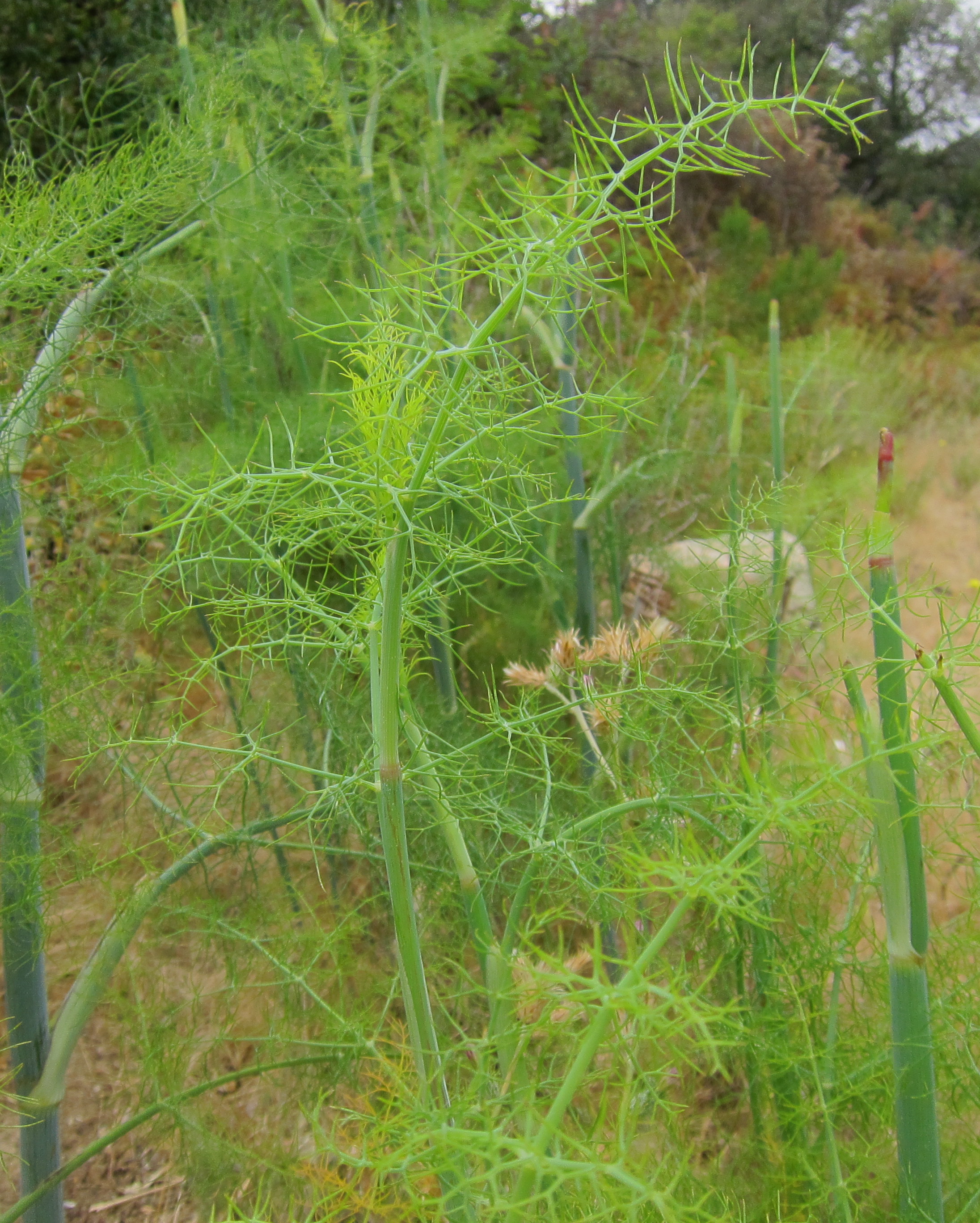
Wild fennel is difficult to photograph. From afar it is just a sea of green feathers, a strange network of tentacles, a web. Up close it is too fine and long and wavy. You can never get it all in. So in the end I rolled a few in my hand and took in the smell. I was expecting licorice, the tarry, sticky sweets from childhood, but not lemon, rubber, grass, aniseed, hay, manure, mint, cough mixture and ferns.

Even as I walked past, this strange concoction spilled out. Wild fennel is a herb (or edible weed depending on who you read), and grows abundantly around the Mediterranean, and in Mediterranean climates such as southern California. It is easily confused with fennel the bulb, which has the same curly fronds up top, but is used principally for the fresh, clean chunkiness of its base. The herb, all frilly leaf, is used a lot in southern Italian cooking, particularly Sicilian, where they like to stuff the finocchio selvatico in their sardines, and the seeds in their sausages.

Umbel beginnings

Umbel beginnings

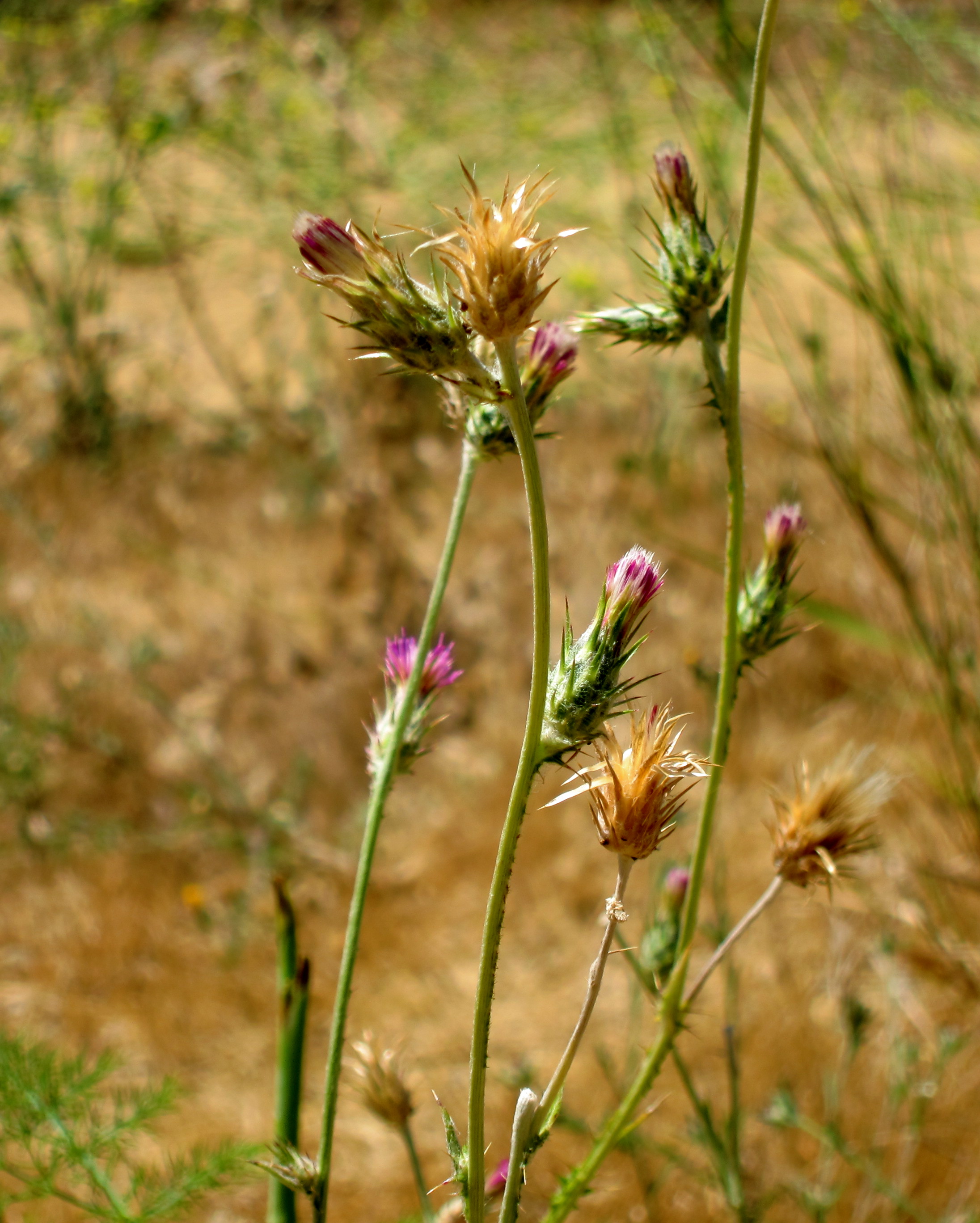
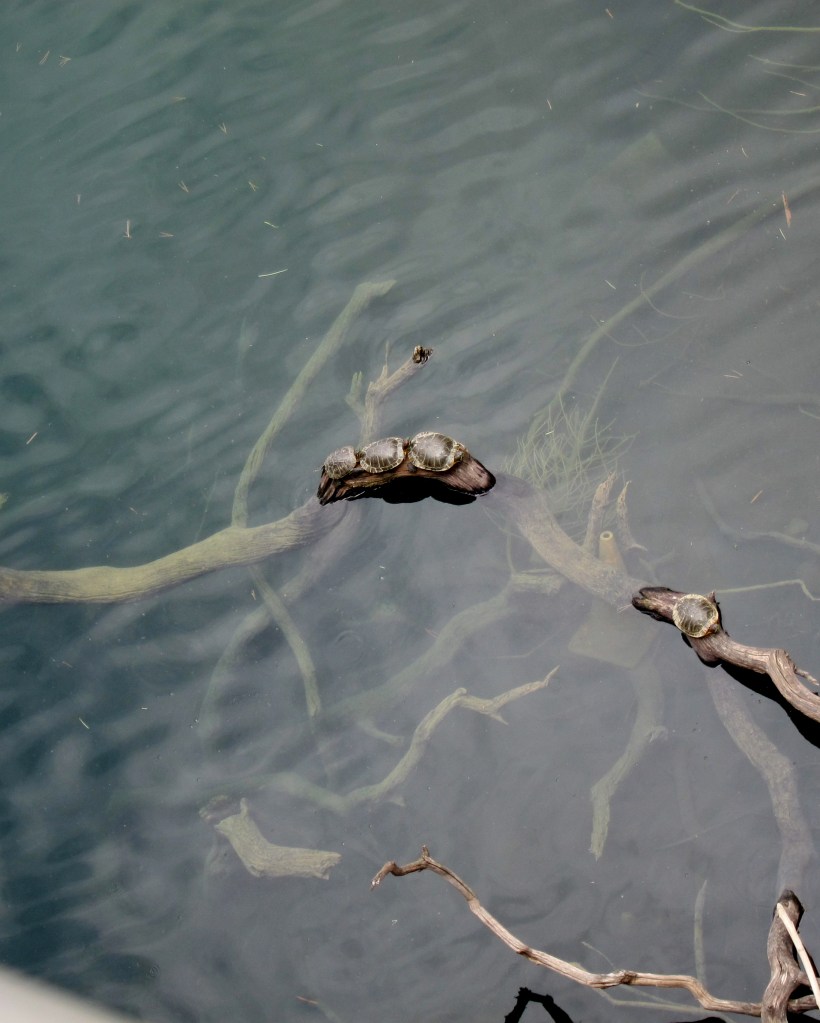
It felt like a real find, this place. There was no one else around, and though I could hear the voices of walkers on the main path, I was hidden from view. It is an economical landscape, because it is so dry. Looking only for lushness, meadows, and nodding snowdrops – Englishness – it’s easy to miss everything else. This field was gold, the dull, dry gold of old grass. Everything was matted, tufted and coarse with occasional bolts of bright colour from thistles. I had to give up the decision to be unmoved. The sun finally came out and I went and sat on the bridge and watched the turtles sunbathing at the lake’s edge.

IMG_2773

Fennel grows often in the most unprepossessing places: wastelands, car parks and even in the street. It propagates like mad, and is considered something of a pest here and a fire hazard. Don’t pick it where there is a good chance a dog (or person) has peed on it. The spring and early summer is when you get the fresh green shoots, the wavy fronds, that are used for stuffing into fish and strewing over fava beans and ricotta, risotto, and as a base for pesto.

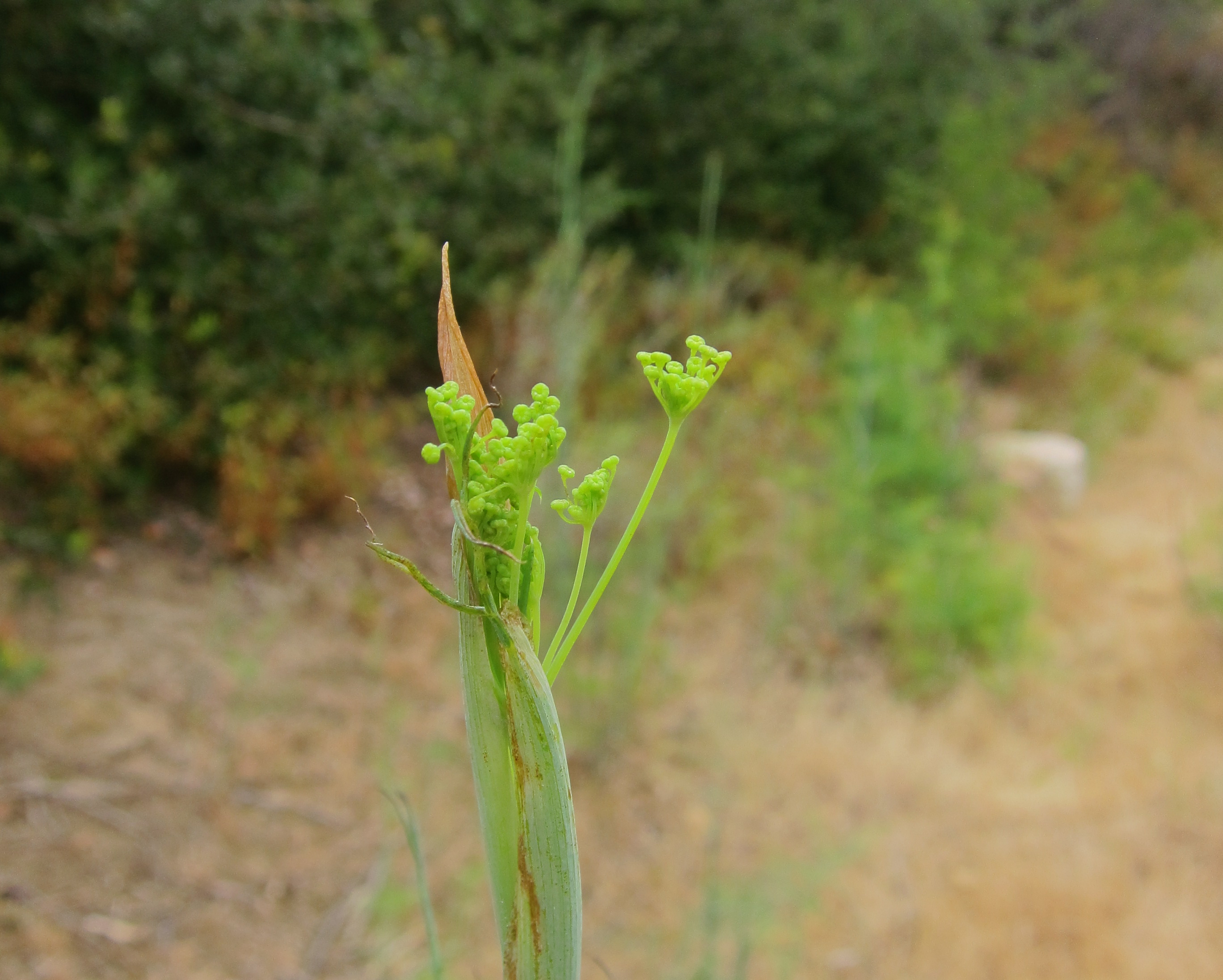
The simplest treatment is to boil them until tender and serve with olive oil and lemon juice. The autumn is when you get the seeds. This is when the fronds die back and you get the dried, burnt-looking stalks. However mangled they look, the plants will be full of seed clusters. They look like little umbrellas (hence the name Umbelliferae, the family to which fennel belongs). You can pick off  the ‘umbels’, separate the seeds from the pods and dry them. They last forever.

IMG_2662

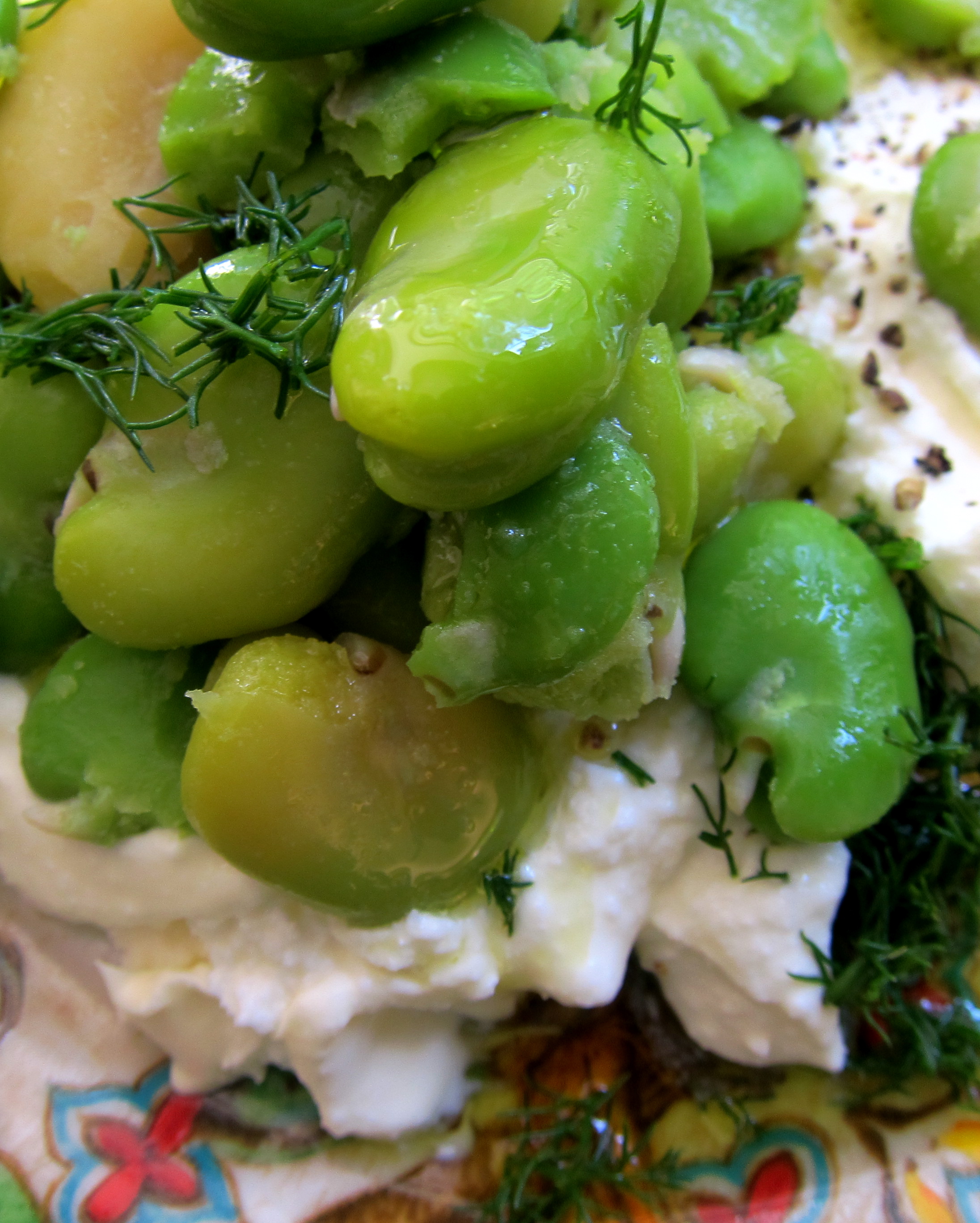
After eating fennel pretty exhaustively all week, this recipe makes the most sense to me, gustatorially (I’m not sure that’s a word). It’s a classic pairing of fava beans (broad beans in England) and ricotta with wild fennel fronds. Use the bushy stalks of bulb fennel in its place, or some mint, or whatever takes your fancy. You could use peas as well as, or instead of, fava beans.

Fava beans, ricotta and wild fennel

Adapted from Matthew Fort, Sweet Honey, Bitter Lemons

Serves 4

1 small onion

1 bunch of wild fennel

4 big handfuls of fava beans

Olive oil

Salt and pepper

Ricotta or feta

When fava beans are older, husk them and pinch off their skins to reveal the bright green pods beneath – boiling them for 3 minutes will help shuck off their coats, if need be. Heat a glug of olive oil in a pan. Slice the onion finely and chop the fennel into small bits. Wilt them for a couple of minutes and then add the beans. Cook very gently for about 15 minutes. Add a little water if the beans are drying out before becoming tender. Serve with ricotta, or feta if you prefer a bit of salty sharpness. This is lovely served alongside some prosciutto crudo. 

Honey Ice

Tags

, , , , , , ,

IMG_2590

This recipe comes from Invitation to Mediterranean Cooking by Claudia Roden. It is a small, plain book with no photographs, and at first I afforded it only a few cursory glances. And then I read the introduction and it made sense. I reread it and I was transported. She sweeps through the history of the Mediterranean with such blithe eloquence that all I could hope to do here is a blundering précis of facts and impressions. What has stayed with me is the culinary unity of all sixteen or so countries that nestle around this ‘little inland sea.’ And the sheer amount of traffic.

First there were the colonizers – the Phoenicians, Greeks and Romans – who brought their holy trinity of wheat, olives and vines. Then the area was positively over-run by invaders: the Arabs who occupied parts of Spain and Sicily for hundreds of years and introduced new trading routes and cultivated sugar cane, apricots and oranges, pomegranates, dates and aubergines. The Normans and the Republic of Venice also had a go, and then the Ottoman Empire muscled in. And then there were the travellers: traders, troubadours, jongleurs, spice merchants, whole populations uprooted – Tunisians were sent to Palermo in Sicily to build the cathedral, for instance. It must have been a nightmare for Social Services.

IMG_2575

What I loved was the idea of the Mediterranean as its own world, distinct from the northern regions of its own countries. So the cuisine of Andalusia would have more in common with southern Italy than with Asturias, say. Provence and Sicily are related. They use the same clay pots and wood-burning stoves. There is olive oil, the juice of lemons, garlic, tomatoes, almonds, quince, basil and wild marjoram. Food is pummeled, slaked, ground with a pestle and mortar, little old women in black keen and worry beads in their gnarled hands, stopping as you pass to ask why you’re not married and how much you weigh.

And that made me think of all the seemingly disconnected events that had happened to me on my travels there. Rather than random or isolated, one event now began to inform the other. So the gesture of the café owner in Paxos in Greece who brought us a bottle of wine and two glasses as we were about to bed down for the night on the beach (with one sheet and two bin bags) was somehow related to the gesture of the boy (whose name I will never forget: Zoran) who boarded my train in Dubrovnik carrying a mattress and shared his lunch with me. The woman who complained we had flooded her bathroom in Corfu was definitely related to the man who ordered me out of his ballet class in Venice. I remember the alleyways in Tunisia and Amalfi, getting lost in darkness, the sounds of bare feet on stone, and the fear it was my stepmother.

There are big differences between the eastern Mediterranean and western, and there are many culinary distinctions between the countries in both regions. But for now, I like to imagine the similarities. We are encouraged in life to unmake connections, to see things as mere coincidence. But in the Mediterranean, it’s the same sun, the same sea, the same fish, the same herbs; all that empire on the chopping board. All those languages in one clay pot.

IMG_2083

When it came to choosing a Mediterranean sweet to feature here, I was almost limp with temptation. “My soul responds to a mere vanilla ice smeared out into the thick glass of an Italian ice-cream vendor”, wrote Compton Mackenzie in First Athenian Memories, and despite the turrons, the sfogliatelle and the cassata Siciliana, I think ice cream is always a good place to start.

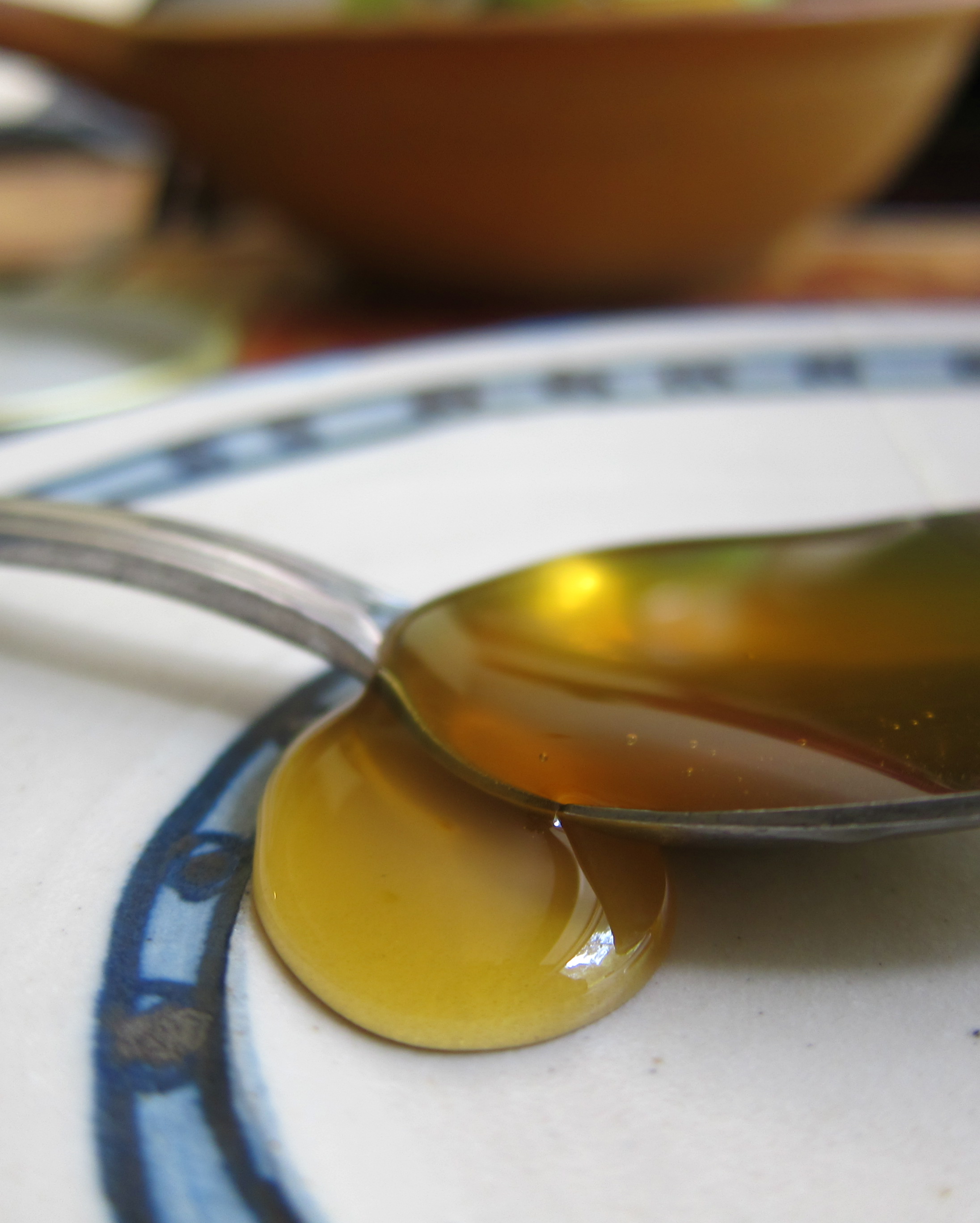
The honey you use can be characterful and not particularly sweet; remember honey is much more complex than sugar, and can range from treacly, nutty and even mildly bitter. Most honey is polyfloral – meaning the nectar has been taken from different floral sources – and is generally known as ‘wildflower’. Monofloral honey is when the bees have taken nectar from only one plant species (although the jury is out on whether a honey can ever be truly singular, because bees aren’t that picky and like all sorts), and the flavour is more pronounced. Some of the most highly prized honey comes from Sicily: orange blossom, the honey from zagara (the flower of the lemon tree), chestnut and thyme. Sardinian bitter honey comes from the autumnal flowering of the strawberry tree and is light green in hue. This ice cream recipe comes originally from Provence where they use lavender honey from their famous fields. There are fields of lavender here in Mediterranean southern California too, of course, as well as some wonderful urban honey around LA. Happy honey hunting.*

Honey ice cream

Adapted from Invitation to Mediterranean Cooking by Claudia Roden

I suggest pairing this ice cream with something resinous and rich (I want to say lusty), such as roasted figs (go to my recipe here), fig jam, or even better, quince paste (otherwise known as membrillo, recipe here). That said, some poached apricots or plums would also be pretty divine. And some chopped pistachios thrown from above.

As to milk, I used goat’s milk which I know is not to everyone’s taste. If you’re not sure you want goaty ice cream, go for cow’s milk. Sheep’s milk would be a lovely alternative.

500ml milk

4 large egg yolks

150g lavender, acacia or other clear, distinctive honey

150ml double/thick cream (I used crème fraîche)

1 tbs orange blossom water

Boil the milk. If you are using goat’s milk, let it almost come to a boil, but take it off the heat just before. Beat the egg yolks to a pale cream, then beat in the honey, the cream, and then finally a tablespoon of the hot milk. Gradually add the rest of the milk.

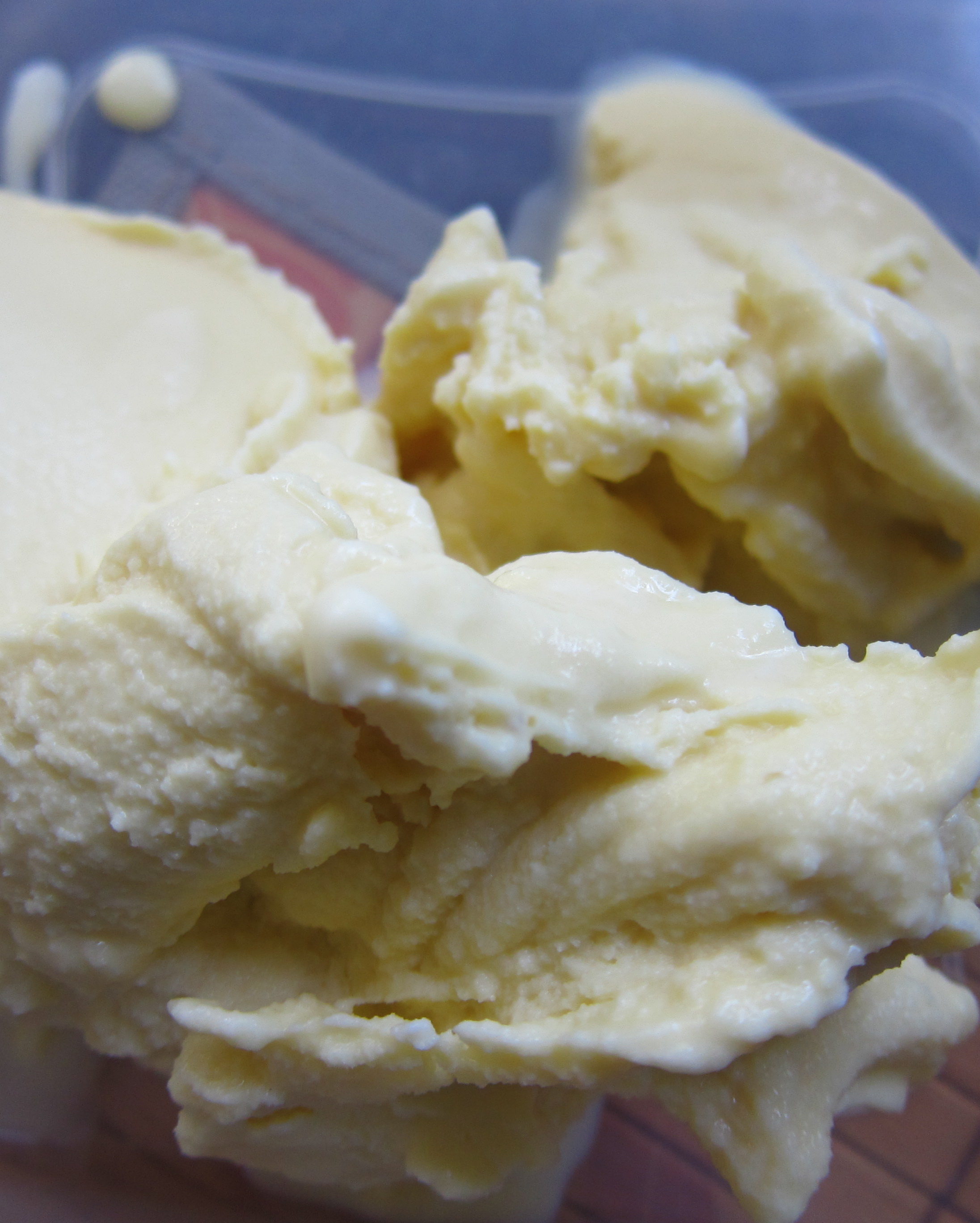
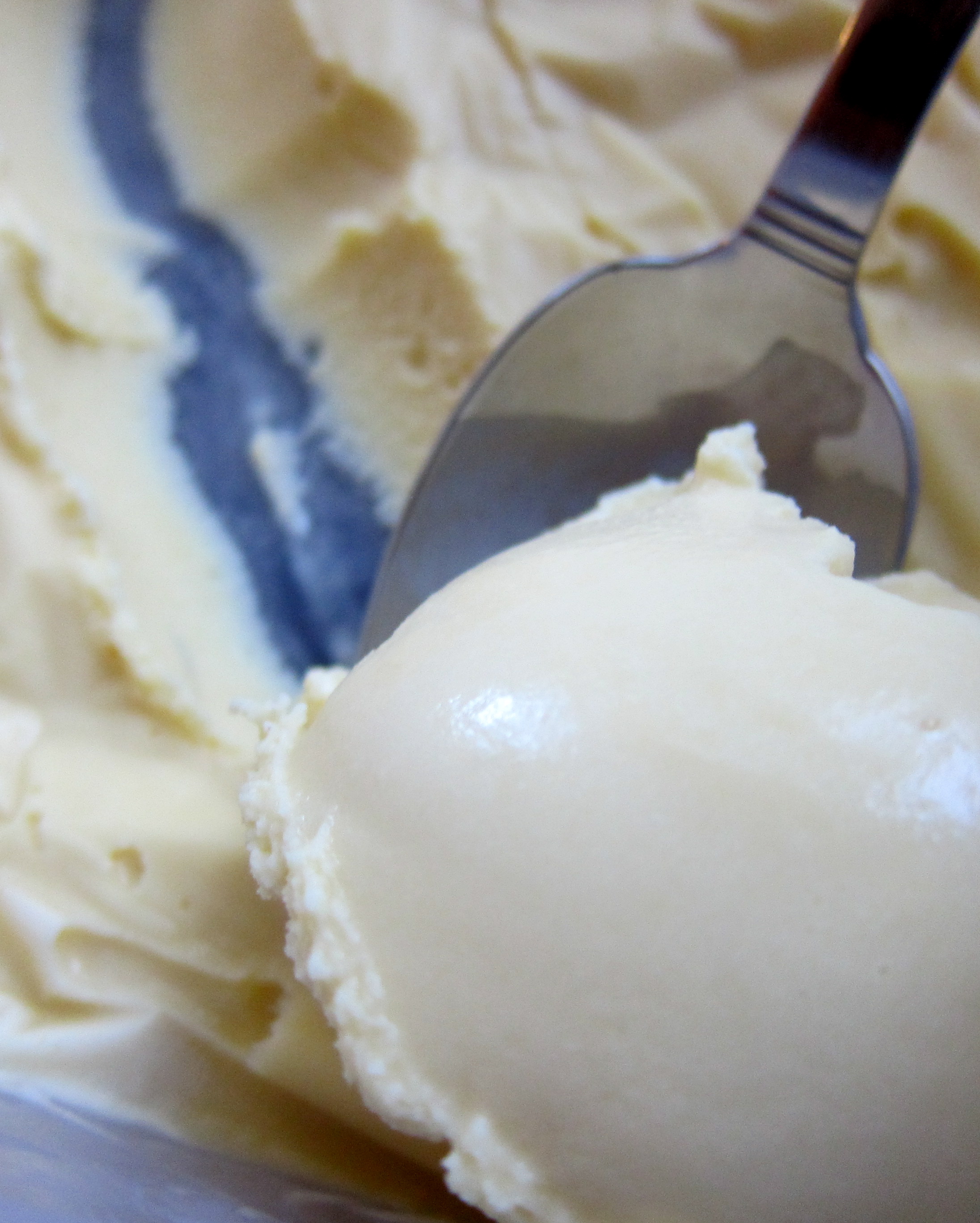
Return the mixture to the pan and stir with a wooden spoon over a low heat until it thickens to a light cream. Do not let it boil or it will curdle. Let it cool, stirring occasionally to stop the mixture forming a skin. I accelerate this process by transferring the mixture to a bowl and putting it in the sink filled with some ice cubes and tap water. Stir in the orange blossom water. Cover the bowl with cling-film/plastic wrap and put in the fridge to chill thoroughly. If you have an ice cream maker, follow the manufacturer’s instructions. This was my route, and the photo above and below is a soft-serve version directly after churning, and then a firmer set, having frozen the churned ice cream for a few hours. If you don’t have an ice cream maker, according to Claudia you can put the bowl directly in the freezer and freeze overnight or for at least 5 hours before serving. You can serve this ice cream straight from the freezer.

 IMG_2577
Recipe List

I have created a permanent recipe list if you’re interested in finding something specific. I will refine the categories as I go, but for now it’s a start. Hope it helps and you enjoy having a rummage through the archives.

*Addition 2nd June 2013

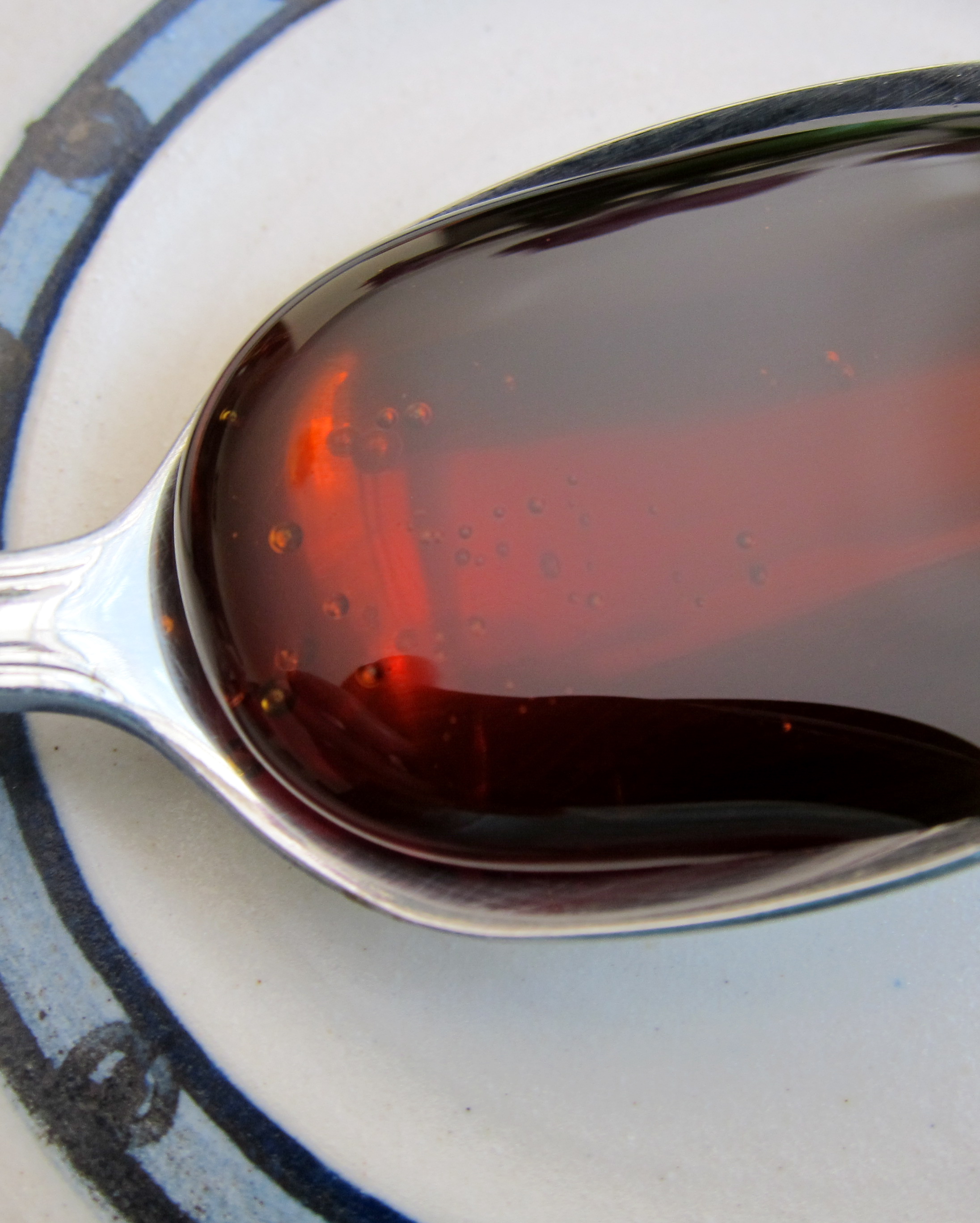
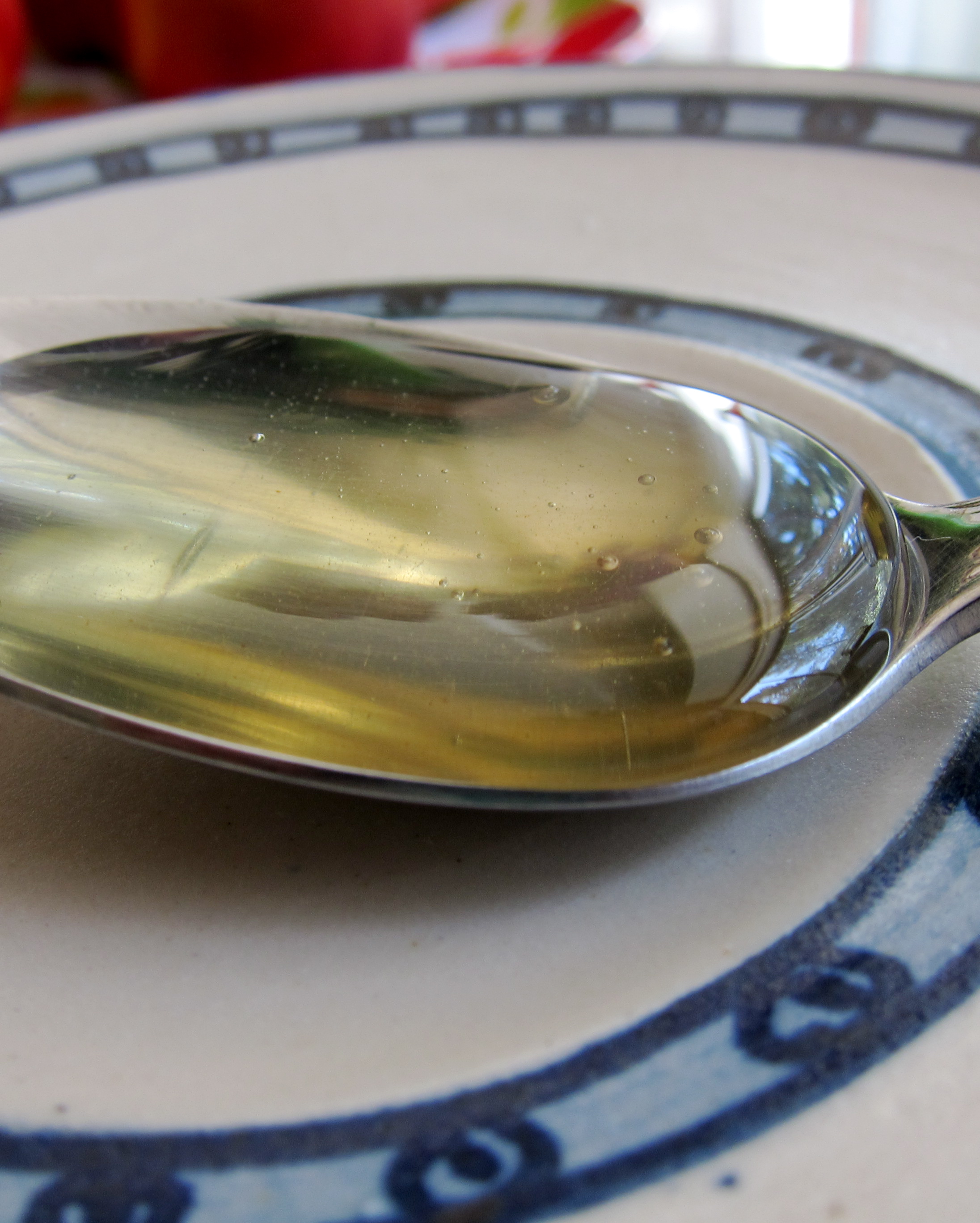
I found some lovely honey at the farmers’ market today from Bill’s Bees and wanted to share the discovery. I tried their local buckwheat honey which was strong, hearty and malt-like. The orange blossom honey was beautiful and surprising: clear like blown glass, smooth and silky, and floral without being overpoweringly sweet. There was also a small kick of acid when I was least expecting it, right at the end when I was about to ask another question. If you are in the area I would recommend giving them a visit.

Buckwheat honey

Buckwheat honey

Orange blossom honey

Orange blossom honey

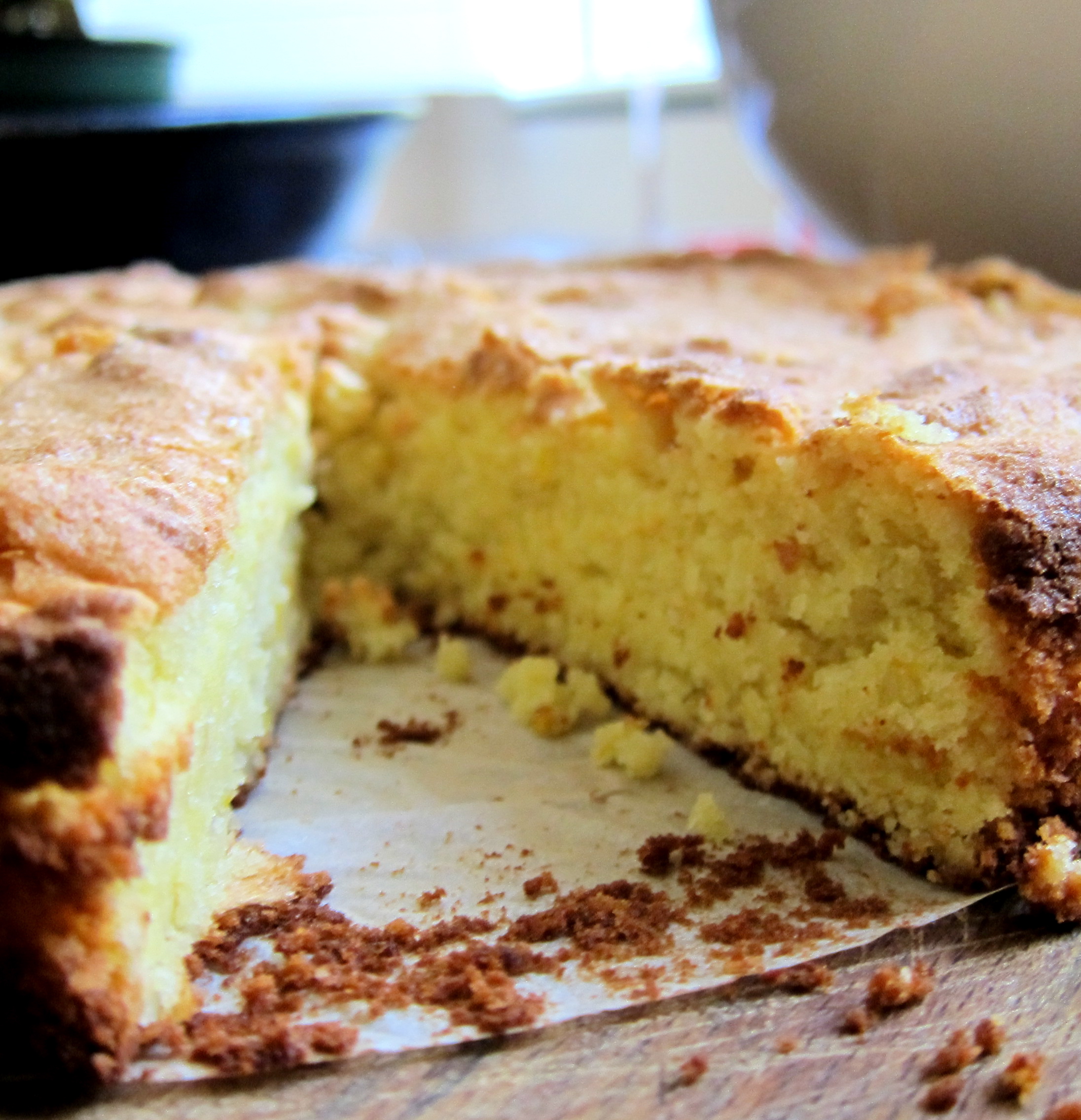
Lemon, almond, olive oil cake

Tags

, , , , , , , , ,

IMG_2421

These are no ordinary lemons. They are Meyer lemons, big and blowsy, a deep yellowy-orange, the colour of fresh egg yolk. The smell and feel are both quite different to the pocked and gnarly Eureka, say: smoother, sweeter, riper, heavier in the hand. They are poreless, and at times almost round, and their leaves are dark and glossy. And they came from our friends’ garden. Before we got to the lemon tree, I was taken on a tour by their eight-year-old daughter, who picked me a posy of clover to eat (peppery) and we examined the orange tree we had given them as a present, which was actually two trees grafted on to one root. Their avocado tree was huge with leaves like big, green jazz hands. There were no more avocados though, so we stood and admired the foliage.

The lemon tree was matted with cobwebs. There was a birdhouse that hung from one of the branches which looked as though it had its own hammock, so cleverly had the house been divided by the spider’s yarn. When we brought the lemons home and lifted them out, spiders skittered over the surfaces of the fruit, unmoored. I liked the way that parts of the tree were still attached; bits of branch, leaves sprouting, as if the fruit was still in the throes of living.

IMG_2396

We are back to the stagnant heat again. All this week there will be nothing to break the seal. The air is utterly still where we are, and at night one feels cloaked in it. The only place to be is the coast where there is a sea mist and a breeze.  Inland we are engulfed; like characters from a Tennessee Williams play, we are bathed in a halo of glowing sweat. It seems the next logical step is a silk negligee and a bottle of scotch.

Although it may seem strange, being in the kitchen at times like this is actually a reprieve. Inside is cooler. Of course, if you have a glut of lemons, making lemonade would be perfect on days like these: a jug filled with ice and mint, frothing with syrupy lemon fizz. But this is a light cake and goes well with fresh seasonal fruit (the first apricots are in). I wanted to do something sufficiently involving and I liked the processes involved. I have made this flourless; it gives it a lovely dampness and it goes down beautifully. (In fact I wanted to call this post Rising Damp because the memory made me smile but I couldn’t fit it all in).

I blanched, roasted and ground the almonds myself – it makes a difference if you like uneven nuttiness in a cake, which I profess I do. It doesn’t rise and fall quite as dramatically as other ‘broken’ cakes I have featured, such as the chocolate marmalade slump cake and the bitter chocolate olive oil cake but it has the same softly flattened character.

IMG_2413

Lemon, almond, olive oil cake

Adapted (almost beyond recognition) from Pastry Studio

I am quite hardcore here about the almond preparation but using a packet of already ground almonds is totally acceptable. Give them a gentle toast in a frying pan beforehand to release flavour. If you are using regular lemons, the cake will generally be sharper and taste more lemony.

Serves 8

5 free range eggs, separated

150g (5½ oz) sugar, divided

175ml (6 fl oz) extra virgin olive oil

Juice of 1 lemon

Finely grated zest of 2 lemons

175g (6 oz) blanched, toasted and ground almonds

½ tsp salt

1 tbs sugar, for the top of the cake

Preheat the oven to 350F/180C. Lightly grease a 23cm (9in) cake tin with olive oil and line with parchment.

Beat the yolks and just under half of the sugar until thick and pale. Reduce the whisk to medium speed and drizzle in the olive oil. Then add the lemon juice and zest. The mixture may look a bit sloppy. Sift half the ground almonds into the batter and fold in gently. Sift in the remaining almonds until combined, making sure to lift up the batter from the bottom and sides of the bowl. Beat the egg whites with the salt until foamy. Slowly rain in the rest of the sugar until they hold a soft, satiny peak. Fold a third of the whites into the yolk mixture to lighten the batter, then fold in the remaining whites.

Pour the batter into the prepared pan and gently tap the bottom on to a work surface to release any air bubbles. Sprinkle the 1 tbs of sugar on to the top of the cake (don’t omit this as it gives the cake a nice crunch). Bake until the cake is puffed and golden – about 30 minutes. Place on a wire rack to cool for 10 minutes. Release the cake and let it cool completely. Gently invert the cake and remove the paper. Serve with some crème fraîche and some poached apricots or other seasonal fruit.

True Guacamole

Tags

, , , , , , ,

IMG_2216

Last week we went to Mexico for a few days. I have tussled over how to write about it, since we went there as tourists and were treated as such; by which I mean we were treated with respect and mostly a benign indifference. At times it was quite funny, how we would go back into a shop having spoken to the owner perhaps half an hour before, who now had no recollection of us. This happened quite a bit. Perhaps we do all look the same.

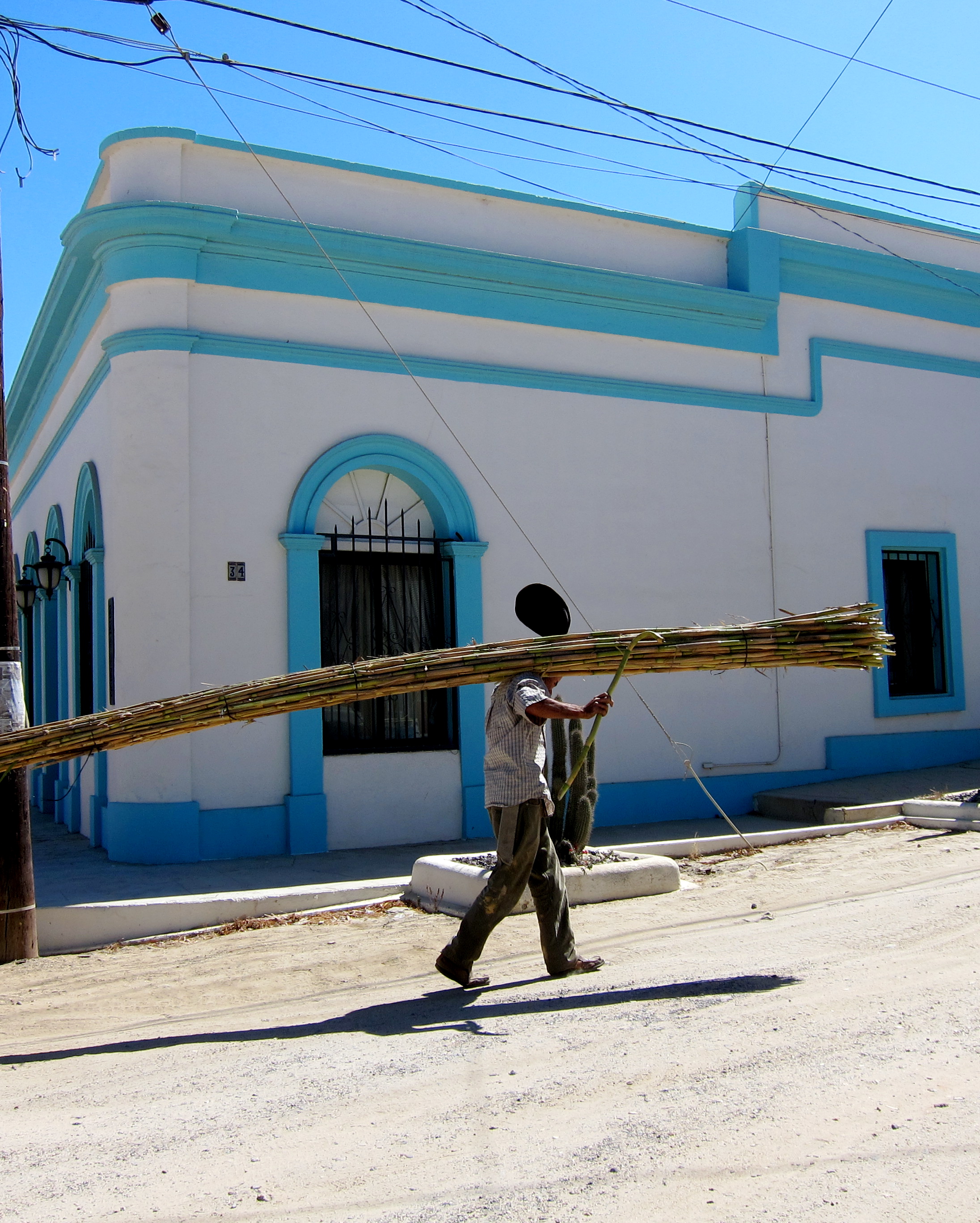
We were staying on the sea near the small town of Todos Santos, on the Baja peninsula. The road leading up to the town was entirely flat and straight and shimmered with that wet heat so beloved of mirages. Either side of us was an ocean of cacti, frozen with dust – imagine stalactites in reverse – with the odd blossom or patch of green as if the landscape was suddenly surprised by something. Loosely tethered horses stood looking at the ground. Nothing else moved, but us. The arrival into Todos Santos is heralded by a banner reading Welcome to Todos Santos, “the magical place”.

These are interesting words, conjuring up the crossing of a threshold, of stepping from one world into another – you walk through the back of a wardrobe and feel the snow underfoot. And entering Todos Santos does have a sensation of time travel. There were pick-up trucks everywhere baked in mud, with kids in the back bouncing up and down on their way to and from school. A child of about four sat helmetless on the front of a motorbike at the one solitary traffic light, her legs wrapped like elastic bands around those of the driver. His movements were dreamlike as he took off, like liquid running slowly through dust.

We found a grocer that sold, amongst other things, eggs, avocados, tomatoes, green tomatillos and garlic. There were mountains of avocados, black, wizened and almost fungally soft. I bought the least mushy. We also bought eggs. I was expecting the avocados to be uneatable. But they were not; behind the skin lay a soft and nutty clay. They were truly gorgeous, a deep, khaki green and I ate them as you would an ice cream in a cup – half-peeled with the ‘peak’ showing, the base sitting in the palm of my hand. I ate avocados all day long from then on, not minding their ‘decaying breast’ appearance.

We ate like this whenever we could; out of hand, from roadside stalls or local shops. We couldn’t pretend to be locals ourselves, but we tried to avoid any obvious tourist spots or hostelries run by sour-looking ex-pats. Apart from avocados, I ate a lot of guacamole. There were different versions of this, ranging from sloppy, almost a slurry of bright and sharp tastes, to thick and smooth like a paste. The one I liked most was all green with no tomato. There was texture from the onion, there was a hint of acid from the lime, there was a kick of freshness from the cilantro and a bloom of warmth; chile perhaps. And of course the divine clay – soft and sweet. I ate it with parrot fish.

IMG_2192

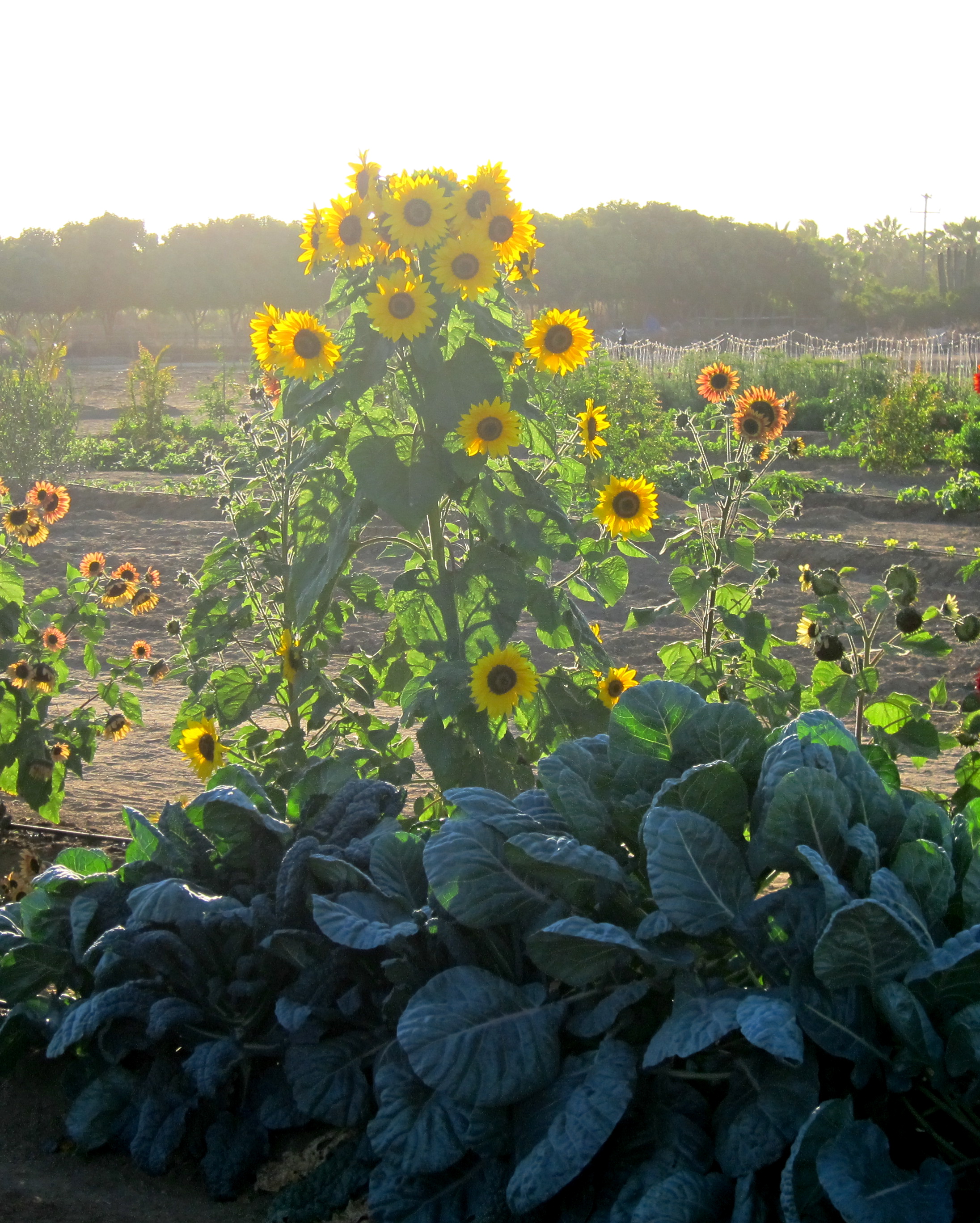
I feel reticent to say it was actually our poshest – by which I mean our most expensive – meal. Everything came directly from the sea in front or from the organic garden in a field leading up to the place. You couldn’t miss it; aubergines, tomatoes, nasturtium, sunflowers, papaya trees, everything trailed and sprouted and stretched up to the sky, happily engorged on sun and regular irrigation. We got out of the car and wandered amongst it all before surfacing to ask about the menu. When we returned properly dressed an hour later, no one recognized us. “We just came here. We asked you about the menu, what the catch of the day was.” “Ah, yes, yes!” etc.IMG_2267

There are some moments that seem purely fantastical to me now: sitting in the square in Todos Santos eating an ice cream and hearing the clack-clack-clack of a typewriter from an open office window. Standing in line at the supermarket and opening the lid on a pot of tamales that was sitting on the conveyor belt. They were apparently for sale (pot not included). A cat with half a lizard in its mouth. Our hitch-hikers – two teenage missionaries from Peru, with starched white shirts and ties, so polite it hurt. The wild white fangs of the sea and the surfers bobbing like seals. I hope I can go back. I hope it really exists.

Classic Mexican guacamole

Adapted from Food 52

& Roberto Santibañez, Truly Mexican

Santibañez believes texture is the key to a good guacamole – “you want to feel everything” – and crushes some of the avocado but leaves the rest in chunks. The pummeled chile, onion, salt and cilantro acts as a sort of thick dressing here.

Half a white onion, finely chopped
1 tbs of serrano or jalapeño chile, including seeds, minced
1/2 teaspoon flaky salt
A large handful of chopped cilantro (coriander), divided
1 large or 2 small ripe Mexican Hass avocados, halved and pitted
A few good squeezes of lime

Makes a medium bowlful

Mash the onion, chile, salt and half of the cilantro to a paste in a molcajete or other mortar. You can also mince and mash the ingredients together on a cutting board with a large knife or a fork, and then transfer the paste to a bowl.

Score the flesh in the avocado halves in a crosshatch pattern (not through the skin) with a knife and then invert into the mortar or bowl. Keep some of the avocado back to add at the end. Toss the guacamole well, then add the rest of the cilantro and avocado and mash briefly and coarsely with a pestle or a fork. Season to taste with lime juice and additional chile and salt (if you like).

Our posh meal was at Rancho Pescadero. If you’re ever in the area, go there.

Yoghurt, a love story

Tags

, , , , , , , ,

IMG_2113

When I was growing up, we had goats. Their names were Caramel and Honeybun. They had two kids, but I can’t remember what we called them – I think they were also named after dessert. The goats produced milk, which my mum turned into yoghurt. The yoghurt didn’t set awfully well – there were cracks in it filled with whey. There was often more whey than anything else.

When cold, the yoghurt was fine, but served at room temperature it was as if you were eating the goat’s soul. Warm, bloodless goat, white and liquid and slopping about in the bowl. I believe there was the odd hair. I loved the goats, but they were difficult. They were friendly in an aggressively needy way, a bit like an elderly neighbour who berates you for never visiting. They’d often head-butt us with their knotty foreheads and bleat their metallic tuneless song whenever we approached. I loved their oddly smashed pupils.

In the Seventies in Devon, there were two choices: you grew your own food or you lived on Ski yoghurts, angel cake, Wagon Wheels and frozen carrots. We grew our own things, made our own yoghurt, and accepted it was on another planet to the stuff you could buy. One of the few concessions to the mainstream was an occasional chocolate yoghurt bought from the bakery opposite my school. It was tangy yet sweet and there was a thin layer of darkness where the chocolate had started to solidify. It was magic. This almost made up for the fact that my mother refused to paint her toenails.
IMG_2103

Somewhere around this time, we went to Crete on holiday. There is a photo of my dad with long hair standing by a racing bike and a man who looked like Thelma from Scooby Doo, who no one could ever name. A man in the local corner shop raised his hand to a shelf and brought down a Milky Bar whenever I entered, and a wizened old woman peeled cucumbers into the fire. This had something to do with sex.

There was yoghurt here too. I’m fairly certain it was sheep’s yoghurt and it was white, like snow, and came to us in deep drifts in bowls with honey on top. I ate snails, pulling them from their shells with a special prong. There is a smell, a Greek smell, that I very occasionally get a memory of. There is the sea and then the dried and peeling stucco paint from houses, the smell of heat and sand and oregano. Can you smell colour? If so, it is a pale blue and white side by side.

Then I got ill. This is much later. I was in my mid twenties and living and teaching in London. The goats had been sent to the farmyard equivalent of a nursing home. I was in Earls Court and getting progressively worse day by day, teaching in windowless rooms with a fan to recycle the air, my life an endless round of marking and preparing.

Eventually, Crohn’s disease was diagnosed, an inflammatory bowel condition. I entered a world of herbal tea and rice cakes. apple puree and endless discussions about wheat. I was re-introduced to goat’s milk, now an elixir. Baguettes were out, plus fun.

It took me a long time to get well. I accept it will always be a part of my life, that it is here to stay. I cannot be an evangelist for a certain kind of Crohn’s diet. But I’m careful when I need to be; I pare things back, I cut out sugar.

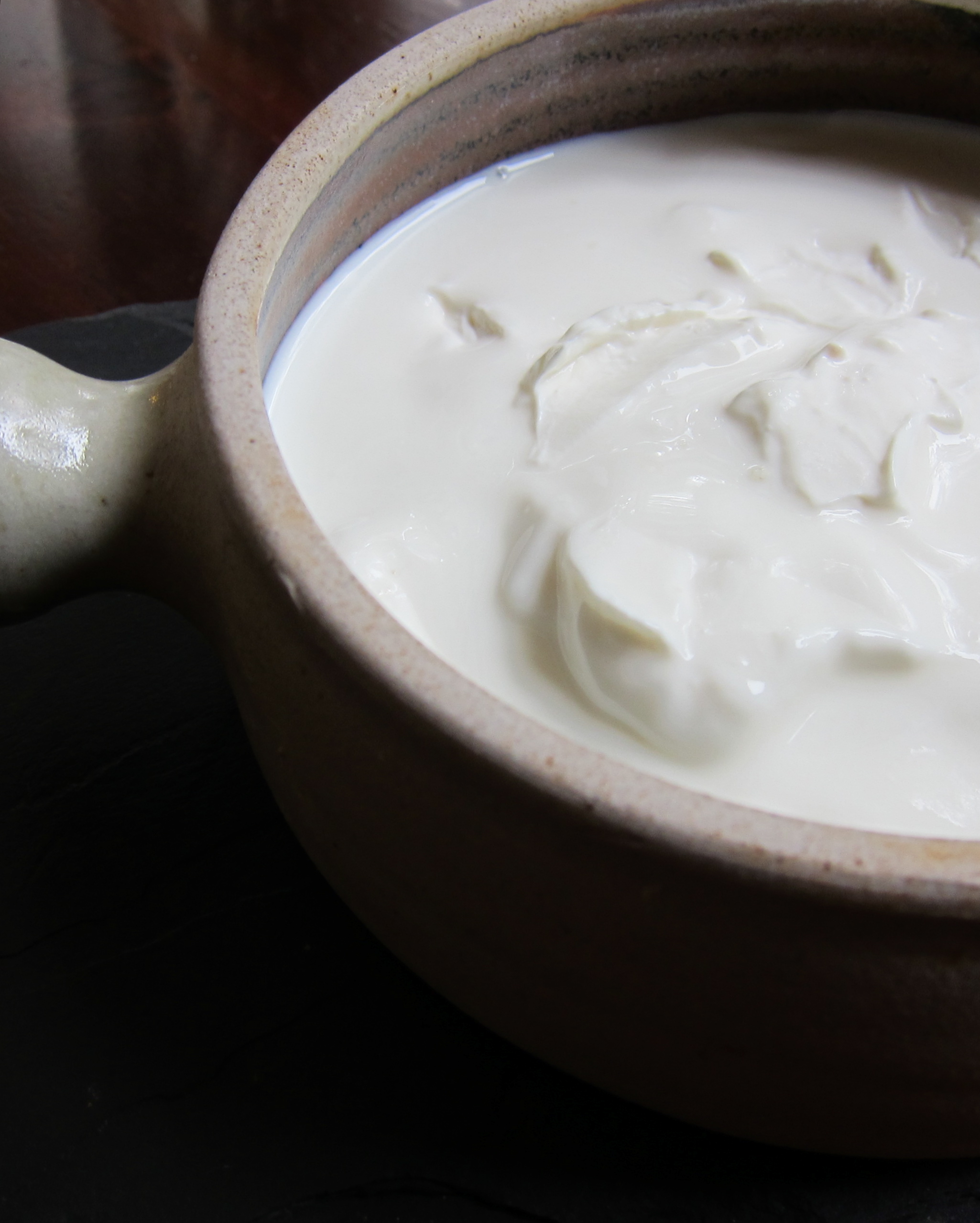
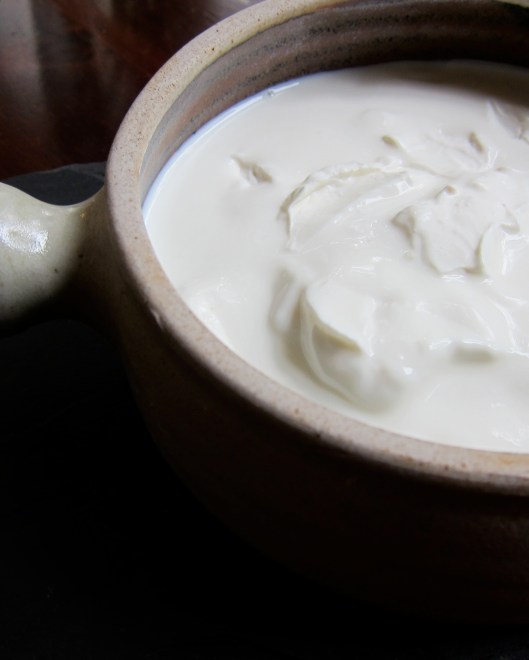
The only thing that has survived it all is the yoghurt. I love the alchemy that takes place under a bare light-bulb in the oven. The taste is unique, and nothing whatsoever like shop-bought. A clean swathe of white brightness – it makes me happy to create it.

Homemade Yoghurt

The basic process is very simple – all you need is a big pot or bowl and a warm place to produce the yoghurt. A candy thermometer here really helps – there are people who do this entirely by feel; I haven’t yet joined their ranks. In a nutshell, you sterilize the milk by heating it, in order to kill the existing bacteria and so it can be fermented by the ‘starter’ yoghurt (Total Greek Yoghurt is good here). Then you have to keep it warm for at least 8 hours so that the culture multiplies and consumes the milk, creating your own yoghurt.

Adapted from Elaine Gottschall, Breaking the Vicious Cycle

Inspired by Claudia Roden, A Book of Middle Eastern Food

2 litres/quarts full fat milk & 125g/1/2 cup plain live yoghurt

1. First, bring the live yoghurt to room temperature. Put the milk into a clean pot, heat it and watch it as it starts to rise, and then simmer for 2 minutes.* The purpose in heating the milk is to kill any bacteria that might be present and interfere with the yoghurt making culture.

*Milk must be heated past 180F (82C) in order to sterilize it, but cow’s milk can tolerate temperatures of up to 212F (100C) while goat’s milk is more delicate and shouldn’t go beyond 185F (85C). This is where a thermometer is helpful.

2. Turn the heat off and allow the milk to cool to between 108F (42C) to 112F (45C) or until you are just about able to stick your finger in the milk and count to ten. Stir well before determining the final temperature. If the milk is too hot when the live yoghurt culture is added, the bacteria may be killed.

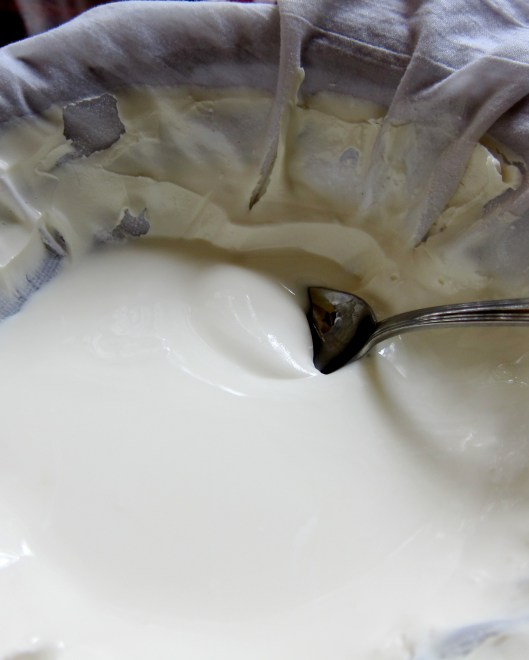
3. Beat the yoghurt so that it loosens and looks quite liquid. Pour a little of the milk into the yoghurt and mix thoroughly. Add this slowly to the rest of the milk and mix. Either cover the pot with clingfilm/plastic wrap or its own lid. Now gently place it somewhere warm for 24 hours* (or at least overnight). The airing cupboard is good, or an oven with the light on inside. A heating pad is helpful if you don’t want to give up the oven for that long. You will soon have a lovely softly-set creation; put the pot of yoghurt in the fridge where it will keep for about a week. After the yoghurt has chilled, you can strain it through muslin or cheesecloth to create more of a set, or go further and create yoghurt cheese – otherwise known as Labneh. Don’t throw away the whey; it can be used in soups or baking, and is rich in minerals.

*After 24 hours, the sugar in the milk has been eaten by the bacteria.
IMG_2289

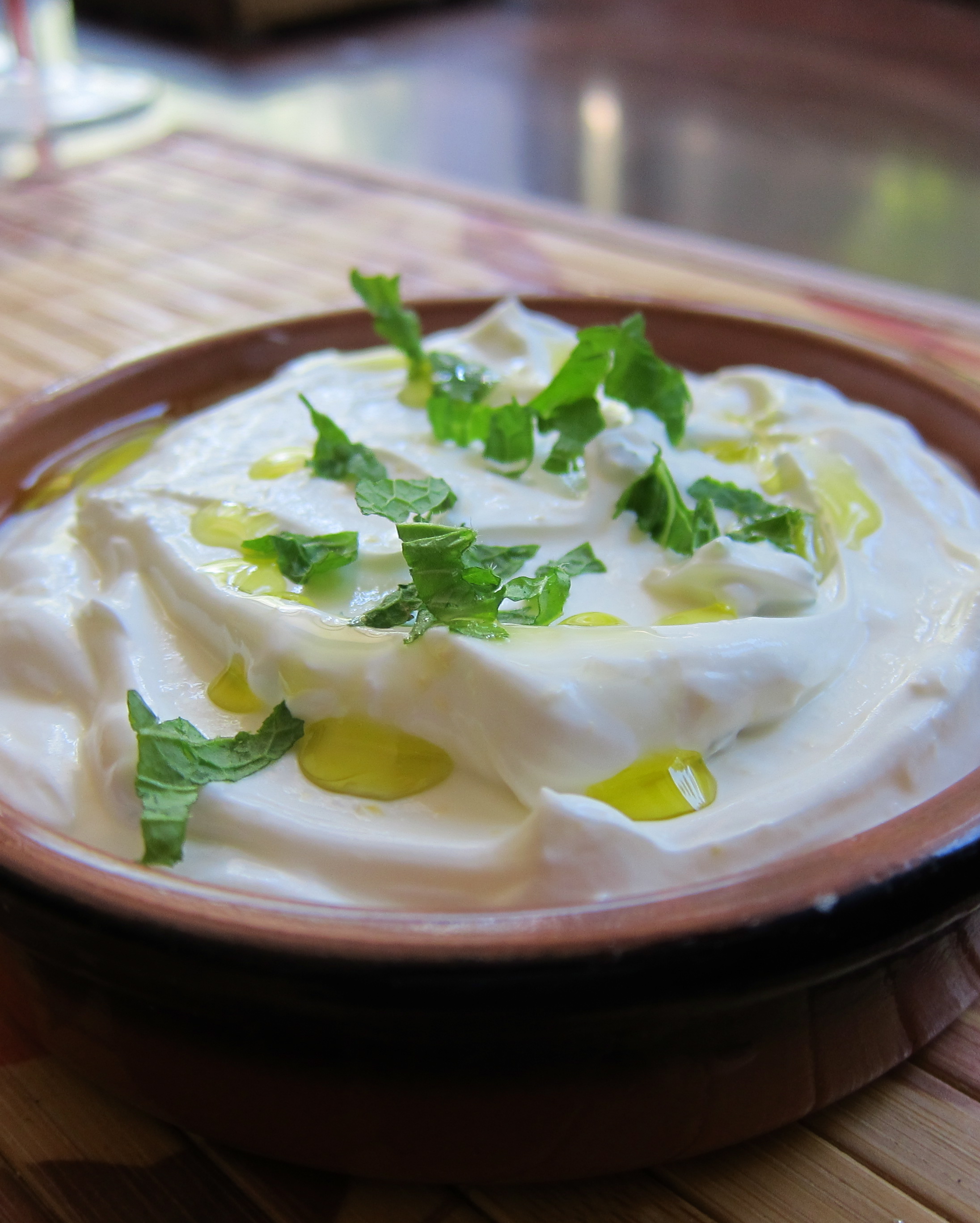
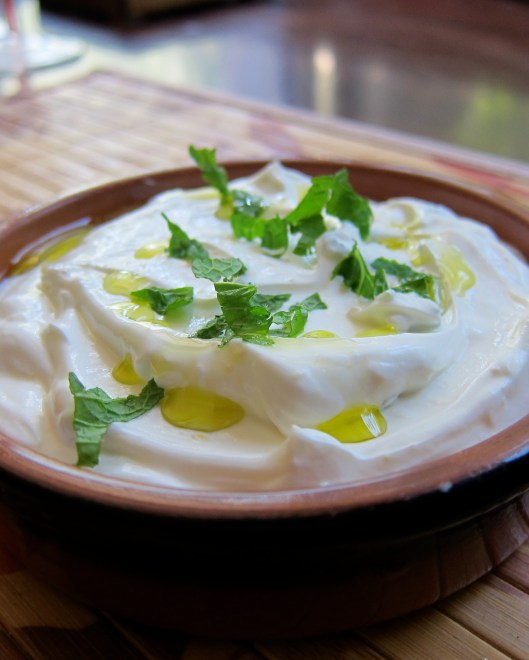
Yoghurt, garlic and mint dip

There are endless variations on this theme. It goes well with so many things; mashed into baked aubergine, poured over the top of French beans, and scooped up and dipped into, as the name suggests. You could experiment with other herbs, such as chives, coriander/cilantro or parsley, or add spices such as paprika and cumin.

200g yoghurt (strained, if you like a thicker texture) 1 garlic clove, smashed and finely chopped, 1/2 teaspoon salt, zest of half a lemon and juice to taste, a handful of chopped mint, with some leaves left whole if you like, olive oil. Mix all the ingredients together until well-combined. Dribble with olive oil. Good with flatbread, aubergine and roast lamb.
Give peas a chance

Tags

, , , , , , , , ,

IMG_1822

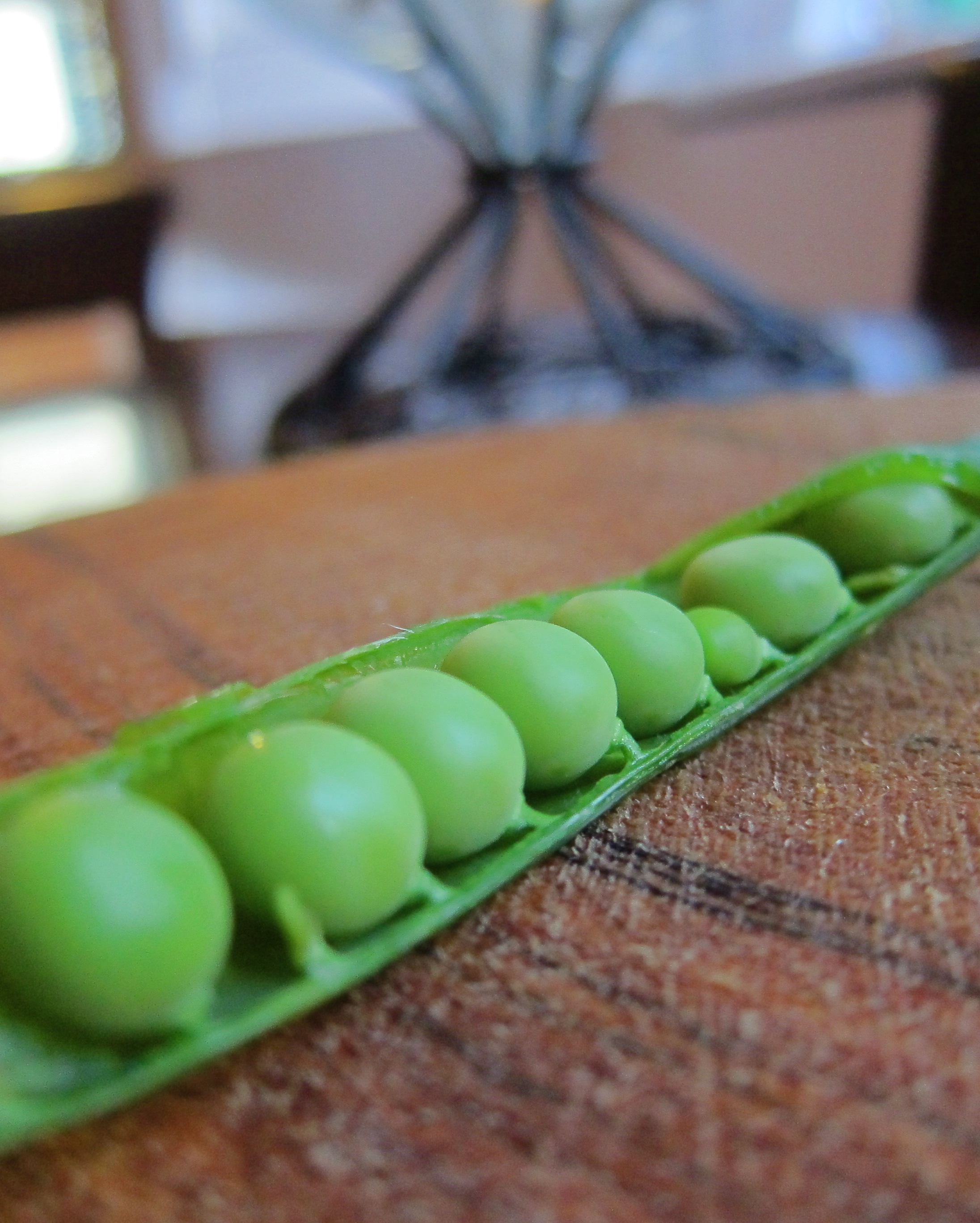
There is something quite lovely about peas. You can grow them easily and their tendrils are pretty, curling things that latch on to poles and wind their way upwards and sideways as if trying to escape the garden, and their fate, in slow motion.

If you’re feeling in any way disconnected from nature, or yourself, sitting down to shell a mound of pea pods will slow your heart rate and give you room to ponder. You can watch the news and get a good rhythm going, with a pot for the empty pods and one for the peas. Use the empty pods for broth and wrap the peas in a damp towel so they don’t dry out. I was surprised by the colour and the taste. We have been seduced by the frozen pea’s excessive sweetness, its nursery softness, and now it’s hard to go back. Pretend you’re Edwardian.

IMG_1804

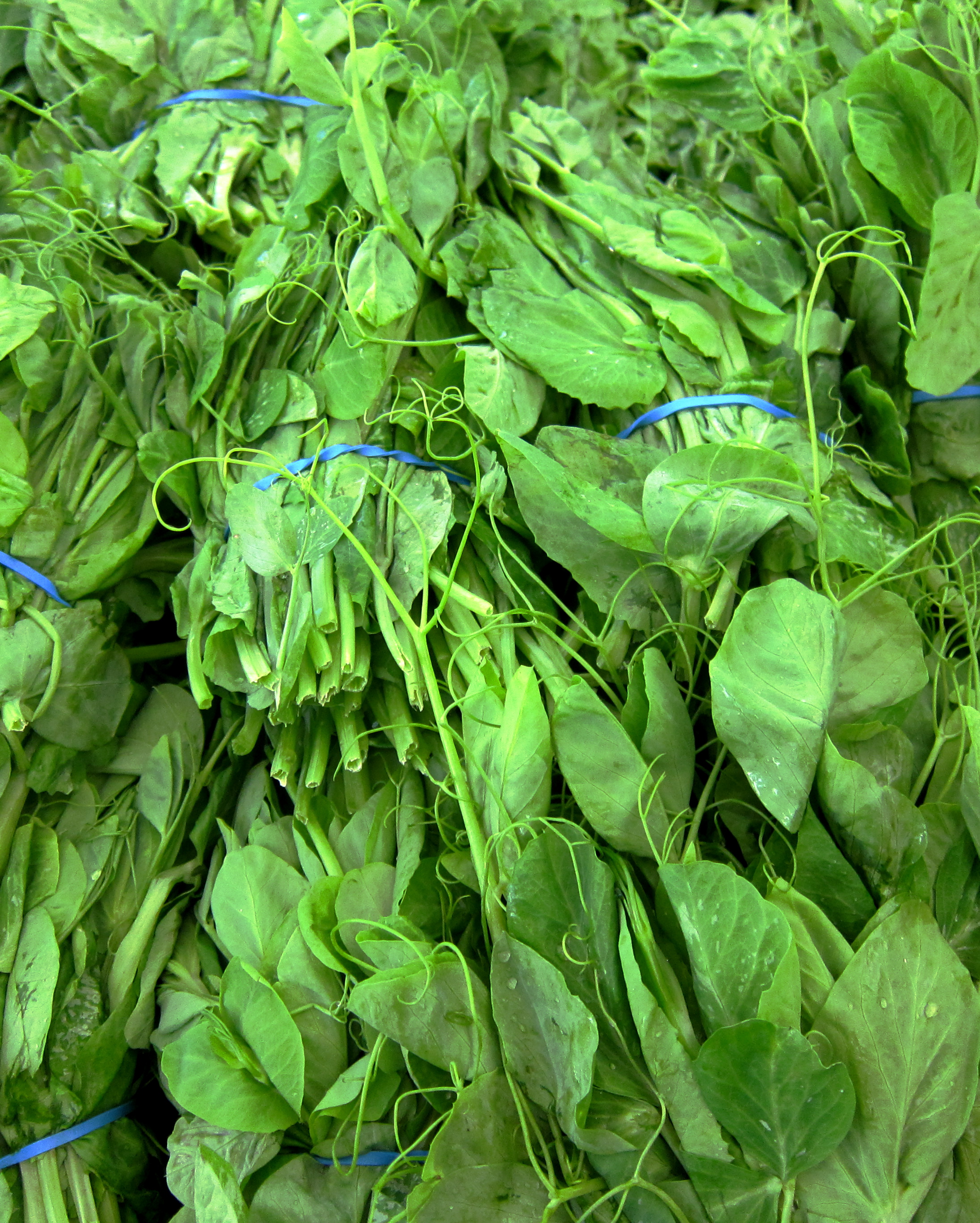
I am not decrying frozen peas – I love them and would happily live on them all year round.  But it’s a shame in the spring to pass by peas in the pod. Their tendrils are sold by the wodge at farmers’ markets here (above in their fetching blue rubber bands).

You can use the leaves as a salad ingredient or wilt them in butter. They’re lovely in a frittata along with some peas and scallions. And then there is bacon, of course. Or pancetta, if you’re a bit posh. And ham, properly thick and strongly permeating. Peas also have a natural affinity with ricotta – or perhaps it is I who have the affinity.

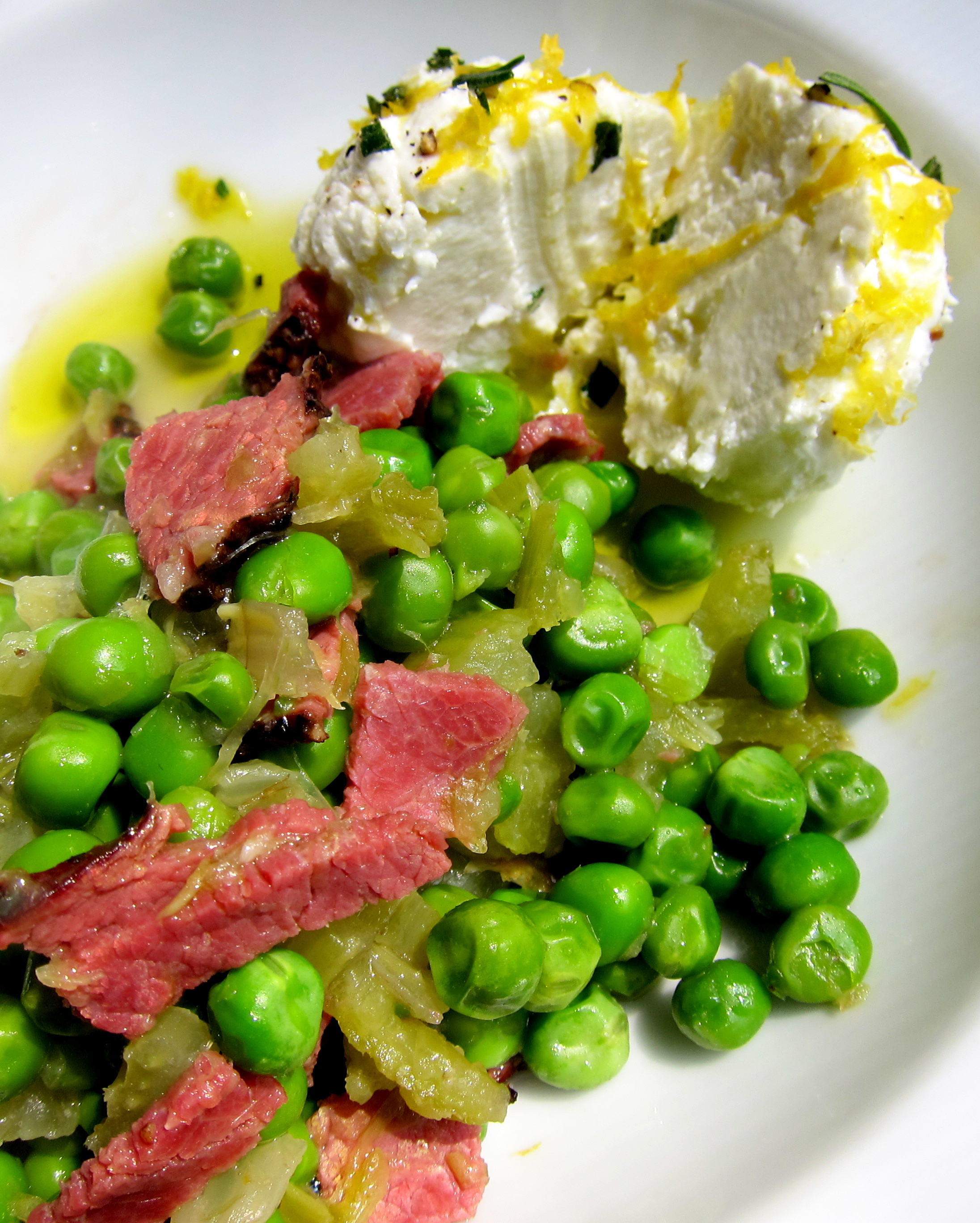
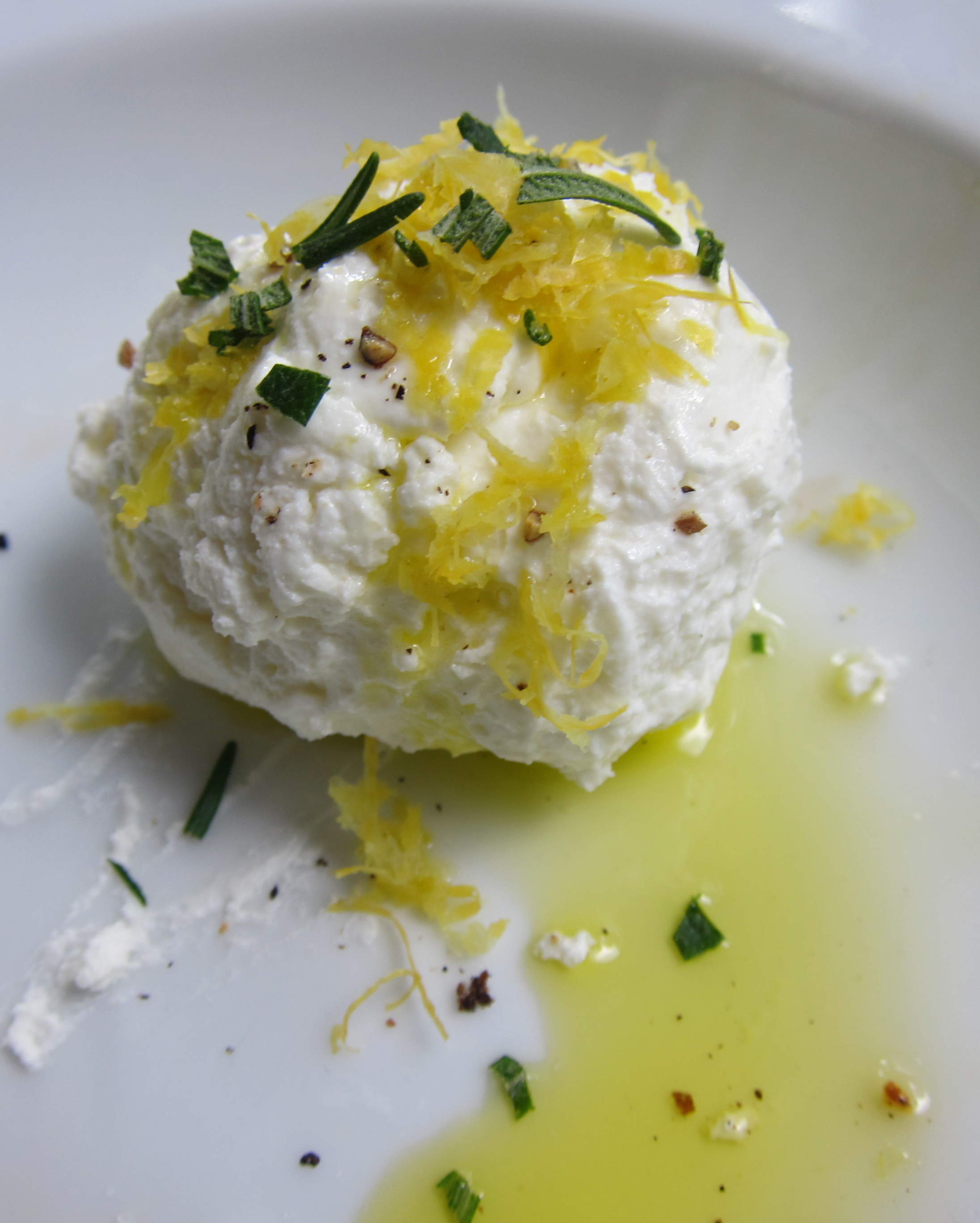
Ricotta (meaning “re-cooked” from the whey of semi-hard cheeses) is a soft, sheep’s milk cheese originally from Rome and is at its best in spring, eaten spankingly fresh with a little salt and black pepper. It has a wonderful blankness, aerates easily and doesn’t smother like cream can, meaning that the peas remain the star of the show. I know people make ricotta; so much is dependent on the quality of the milk. I made ‘yoghurt cheese’ instead (also known as labneh), and treated it in a similar way, along with some lemon zest and a touch of rosemary.

Both recipes below are inspired by Italian Food by Elizabeth David, a book I can’t read for long without the need to rest my head in my hands and inhale memories of my time there. It is almost impossible not to feel longing. I love food, what can I say? And Italy is where for me the heart of good food lives. Espresso and cake, olive oil, vinegar, leaves, lemons, hot cornetti steaming at midnight from a paper bag, tomatoes crackling with salt. Thinnest of thin pizza, charred and warm. I am a ruined woman.

IMG_2057

Piselli al Prosciutto (green peas and ham)

Adapted from Elizabeth David, Italian Food

2lbs shelled or frozen peas

A small onion

1 oz (or a small knob) of butter

3 oz of very good cooked ham cut into strips

Melt the chopped onion in the butter, and let it cook very gently, so that it softens without browning. Put in the shelled (or frozen) peas and a little water. After 5 minutes, add the ham. Add a little more water here if it needs it. In another 5-10 minutes the peas should be ready.

Yoghurt cheese with lemon zest and rosemary

Adapted from Hugh Fearnley-Whittingstall, Easy Cheesy, The Guardian

Makes about 350g.  If you want this for pudding instead, withhold the pepper, serve with a scattering of berries, or dried fruit, some toasted nuts and a drizzle of honey.

1/2 tsp black peppercorns

1kg whole milk organic yoghurt

1 tsp of salt

1 small sprig rosemary leaves, finely chopped

Zest of a lemon

Extra virgin olive oil, for preserving

Crack the pepper in a pestle and mortar, or with the end of a rolling pin in a bowl, until it’s slightly coarser than if it came from a pepper mill. Stir it into the yoghurt with the salt, lemon zest and rosemary, then spoon the mixture into a scrupulously clean jelly bag or a double layer of damp muslin/cheesecloth (or a sterilized hankie). Place in a sieve resting over a bowl or jug in the fridge (or suspend it over the sink or hanging from a door knob somewhere cool), for two days.

Discard the whey. Lightly oil your hands and roll the yoghurt cheese into balls and place in a sterilized jar. Pour enough oil over to cover. They’ll keep in this way for a few weeks in the fridge. When you’re ready to use a ball, you could roll it in some finely chopped herbs and a further scattering of zest. Or if you want to go the Labneh route, you could roll them in spices such as cumin or paprika.

IMG_2047