• Recipe List
  • Sophie

Stories from the Stove

Stories from the Stove

Tag Archives: Dessert

How to eat a peach

30 Wednesday May 2012

Posted by Sophie James in Recipe

≈ 1 Comment

Tags

Dessert, Food, Ingredients, Italy, Recipes, Stories

IMG_2608

Peaches and brown paper are forever linked in my mind, the rustle and crumple of the bag as I withdrew the fruit, its downy skin against mine, the slight indentation my thumb made and when I dug in feeling the juice drip down my arm.

It was the day I didn’t buy nectarines, the contessa’s favourite. Why she preferred them, I couldn’t fathom. Their baldness never appealed, they were flinty and hard to look at. So I went for peaches instead. That was over twenty years ago in Venice and I can still remember the stallholder’s look as I handed him the note the following day, telling him what I couldn’t. That it must be nectarines you give the girl and not peaches. Pesca noce. He was weary, surrounded by clumps of basil and buckets of artichoke hearts floating in water. A wave of peaches and nectarines rose up behind him.

But it was that first peach I remember most. It was warm and tender, baked by the sun. The nude pinky-orange flesh caved, the tiny fibres clung to the stone, a lake of juice pooled in my mouth. I remember wanting to eat it out of sight. Go somewhere secluded. It would be something to deny on arrival, with suspiciously sticky hands.
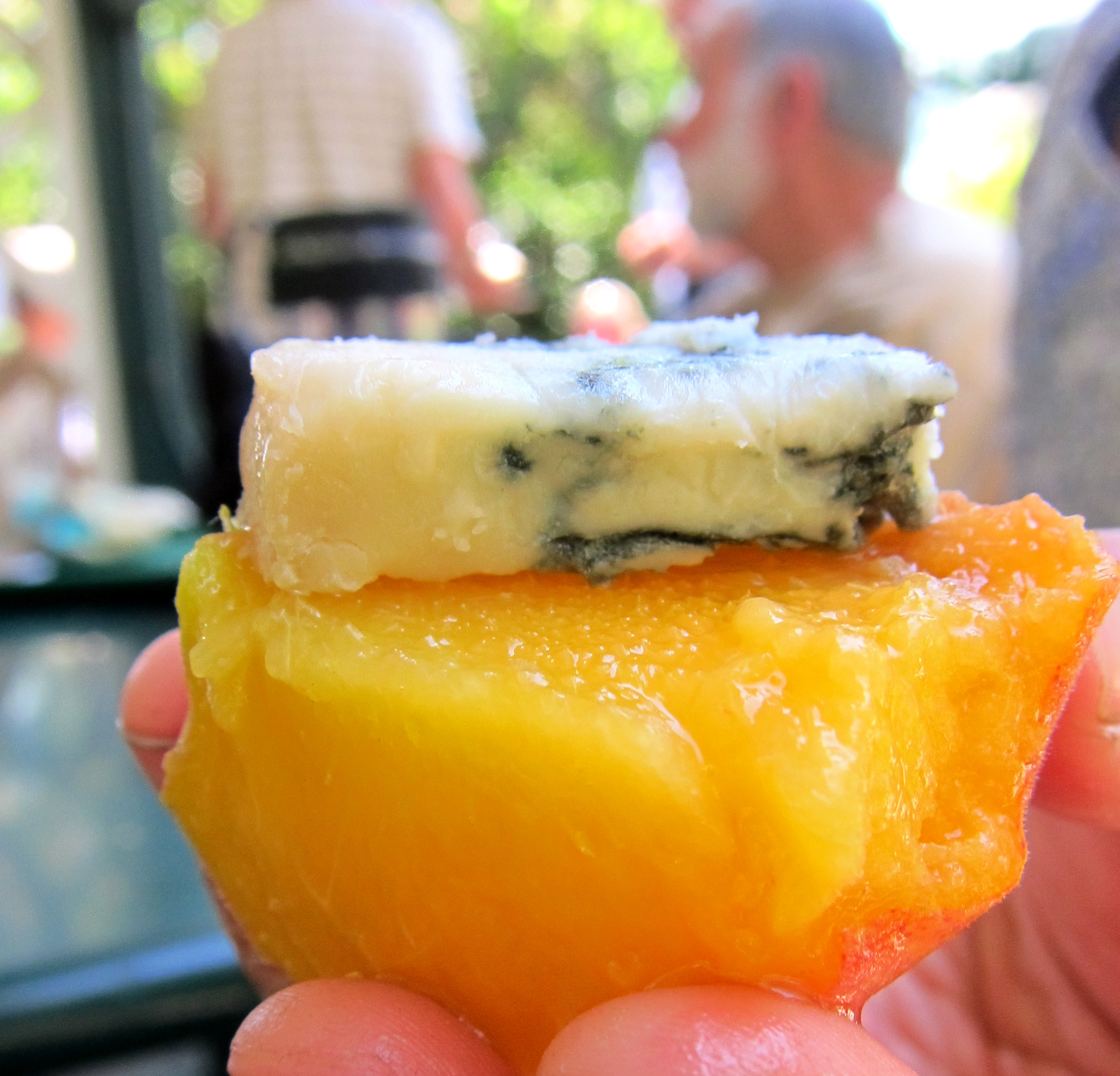
I will always go for warmth and not cold. Peach ice cream I can take or leave. It gets lost – it could be anything pretty and fragrant-smelling. A peach is itself more when baked, poached or simply wondrously ripe and filled with the coldest of blue cheeses. I understand the puree thing, but then I miss the shape; those delicate mounds in a tart, perfect circles like cobblestones running down a street. I know what I’m getting and that’s part of the pleasure. I can imagine it before it arrives. I once saw a lady peel and wash a tomato with its own skin. I like doing this to ripe fruit and it works well with peaches. I like the skin, but I want the flesh, so I keep peeling. A very ripe peach will slip off its skin almost in one. The hussy.

Peaches are not what they were. Gone are the days when a peach would be presented in a black velvet box at the end of a meal in French restaurants. Perhaps we no longer know what a peach could be. They are too over-extended, under-ripe, hard, watery, wooden. Historically, they were grown in vineyards and would come to ripeness at vintage time. The trees would then renew themselves from the fallen stones.

A few of these places still exist. It’s best to be on the side of the grower, and trust the smaller producers. They stress the peaches, breaking them in like dizzy mares. It seems cruel, feudal at first, but the rewards are huge. In California, a few good men are wresting the peach back from the hand of commerce. The trees are small and watered abstemiously in nutrient-poor soil. Peas, barley, wheat and wild oats grow like weeds around them. All this stress concentrates the flavour. I think the peach likes it that way.
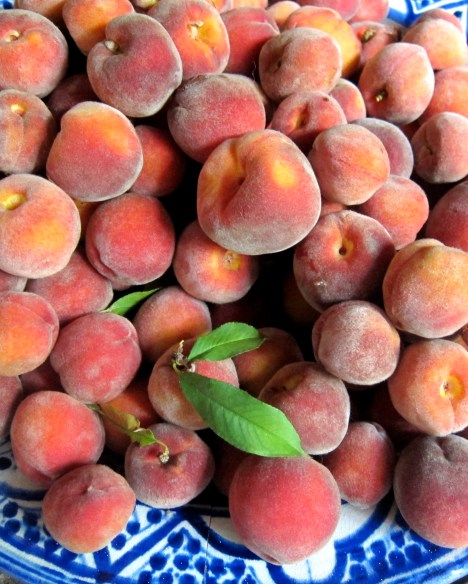
To pick a good peach: trust your nose. A ripe peach has a rich, musky sweetness. Although it will continue to ripen after picking, getting softer and juicier, it won’t get any sweeter. A perfect peach – a mature peach – is one that has hung on the branch long enough for the sugar to develop. You will know it when you smell it. It will have made its final swell. When it comes to colour, forget red – this is a genetic variation, though we are all seduced.

Instead, it’s the quality of the background colour that’s important: a yellowy-orange cast signifies maturity, so pick that one. Farmers’ markets are always the best bet. Santa Monica has some orchard kings. This is the very beginning of the peach season in California, so I’m being a bit previous, but there are still some early gems around, particularly the flat peaches, Saturn, Donut and Saucer. The season proper starts mid June and will extend to August and even September. Often one variety will only last a week or so. Best to roll with it.
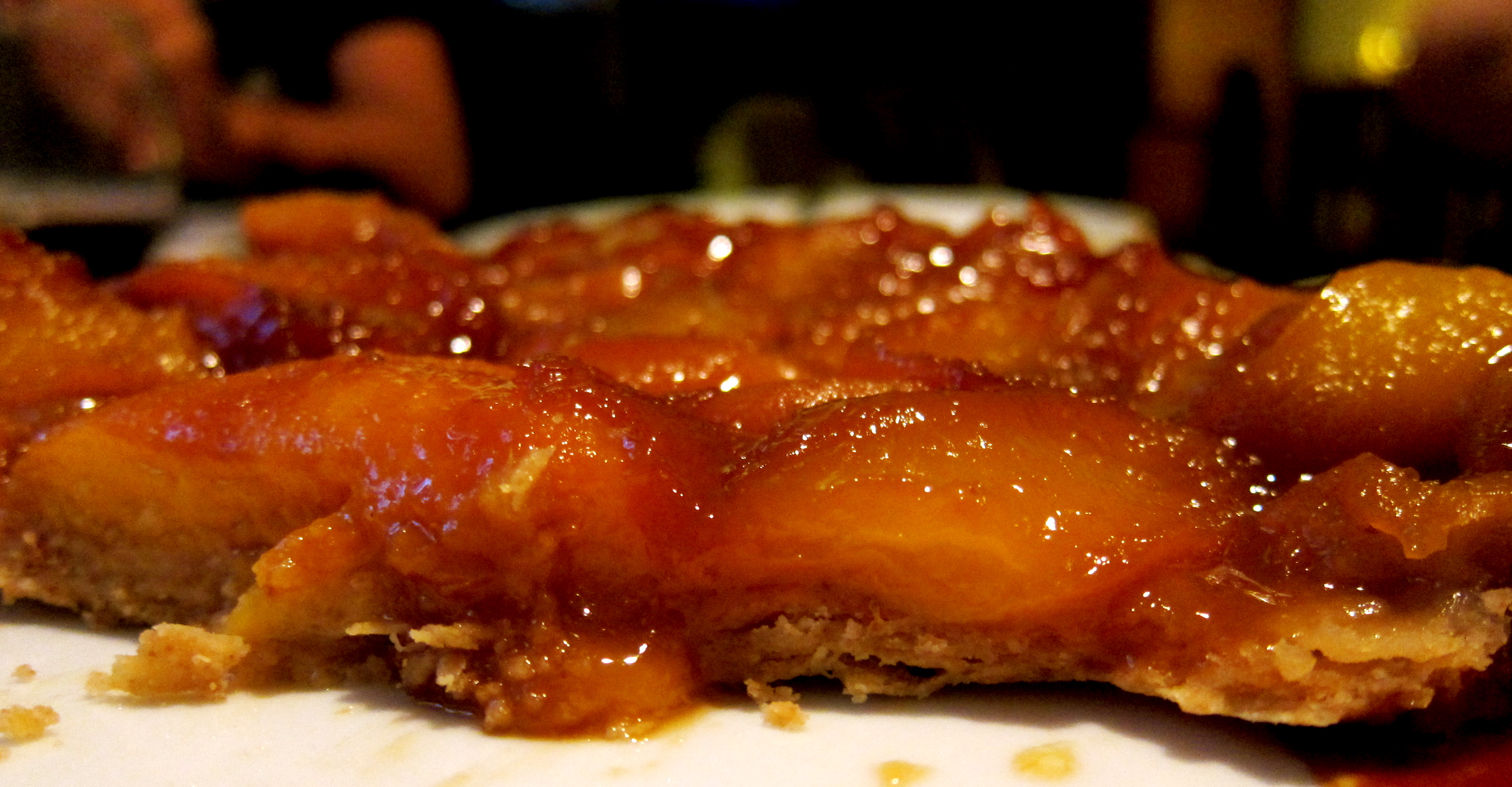
Peach and Amaretti Tarte Tatin

Adapted from Tamasin Day-Lewis, The Art of the Tart

This is a good one if you have slightly below par peaches, or they’re not as ripe as you’d like. I’ve always been a bit afraid of things I have to flip over  at the last minute, but this is fairly straightforward, if you don’t mind tatty pastry, ragged peaches, and half the tart being left behind in the pan. Personally, I like a bit of rustic, which is just as well. Also, it’s lovely cold.

Serves 8

For the dough

8 amaretti biscuits

1½ cups (210g) plain flour

6 tbs (85g) cold butter, cubed

2-3 tbs iced water

For the top

8 peaches

Juice of 1 lemon

6 tbs (85g) sugar

4 tbs (55g) butter

Method

To make the dough, whizz the amaretti biscuits in a coffee grinder to a fine-ish dust. Add to a bowl with the sifted flour and butter and, if using your hands, work quickly to amalgamate. If using a food processor, process briefly until the mixture comes together. In both cases, you need to add 2-3 tbs (maybe a little more) of iced water for the dough to cohere. Chill for at least half an hour.

Preheat the oven to 375F/190C. Roll out the dough on a lightly floured surface ½ inch wider than the circumference of the pan you’ll be using. I use a 10-inch pan whose handle doesn’t melt in the oven. Set the pastry shell to one side.

Scald the peaches in boiling water for 30 seconds and slip off their skins. Sprinkle with lemon juice to prevent discolouration.

Now warm the sugar in the pan until it is a deep, dark brown. This will take a while and I suggest keeping the heat on very low at first so the sugar doesn’t become too bitter or burnt. Don’t stir, but move the pan around to prevent scorching. Wait for the sugar to become totally liquid, then remove from the heat and dot with half the butter. Put half a peach in the middle of the sugar mixture, cut side up. This is where it all starts to go a bit Raggedy Ann – peaches that have been scalded and skinned are slippery buggers. It’s best to accept the tart will not look as clean as you’d like. Quarter the peaches and lay them next to one another in a tightly packed wheel. Arrange the remaining quarters in the inside wheel. Dot with the remaining butter and put the pan back on the heat for a few minutes to gently begin the cooking.

Remove from the heat, cover with the pastry (be prepared for it to break and for a lot of swearing to ensue), tuck it inside the pan edge, and bake for about 35 minutes – it should look lightly browned and the caramel will be bubbling deliciously. Remove from the oven and let it cool for a few minutes before inverting onto a plate. Good luck. Serve with vanilla ice cream or crème fraîche.
 

Share this:

  • Share on X (Opens in new window) X
  • Share on Pinterest (Opens in new window) Pinterest
  • Share on Facebook (Opens in new window) Facebook
  • More
  • Share on Reddit (Opens in new window) Reddit
  • Share on LinkedIn (Opens in new window) LinkedIn
  • Share on Tumblr (Opens in new window) Tumblr
  • Print (Opens in new window) Print
  • Email a link to a friend (Opens in new window) Email
Like Loading...

Brownies

03 Thursday May 2012

Posted by Sophie James in Recipe

≈ 1 Comment

Tags

Baking, Cake, Chocolate, Claudia Roden, Dessert, Food, Ingredients, Recipes, Stories

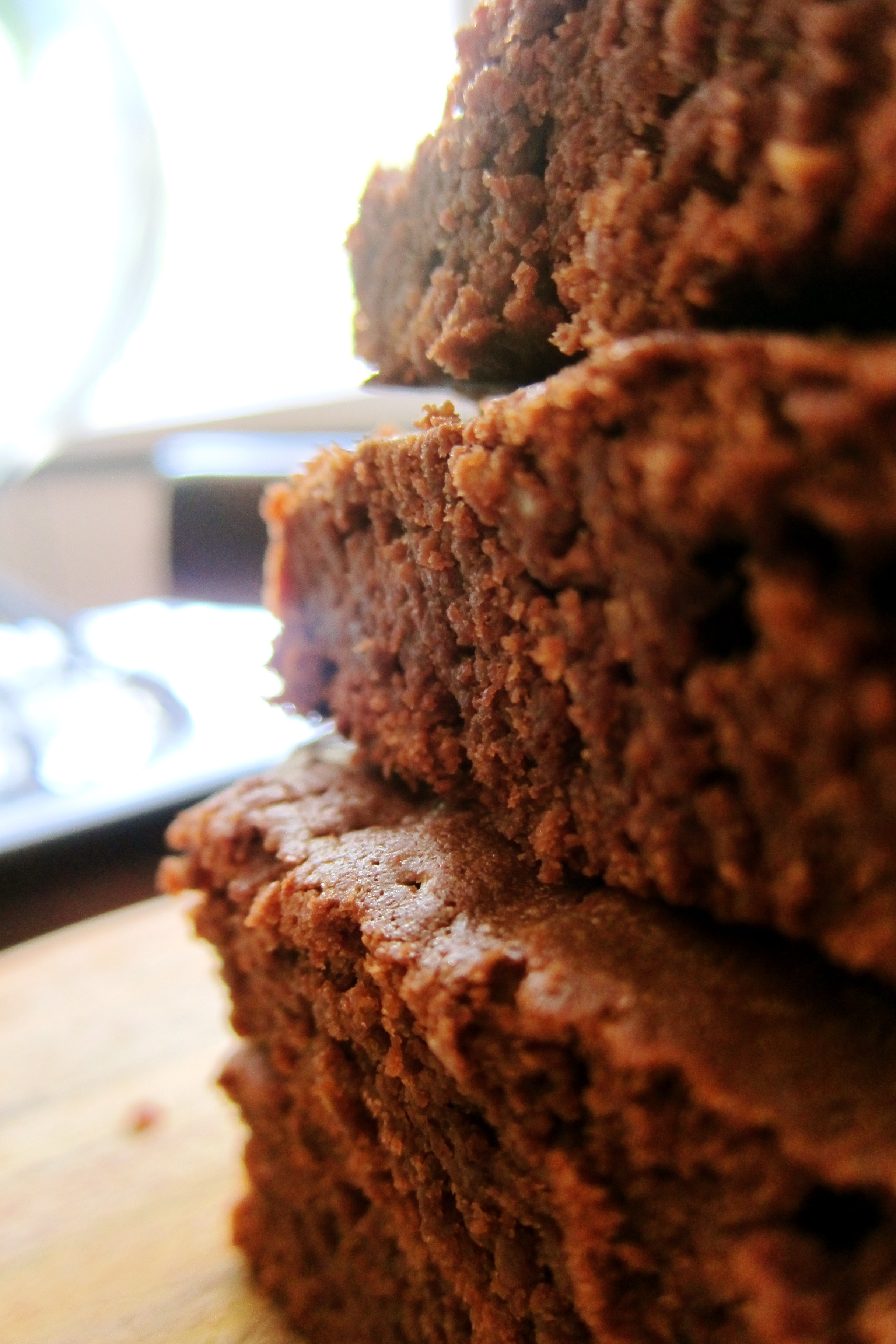
I’m sure there’s a Brownie Consortium somewhere that meets regularly to debate such topics as Cakey vs Fudgy, The Role of Cocoa, and Walnuts: A Fresh Perspective. I also recently learned the brownie isn’t technically a cake at all, but a cookie. Fanny Farmer listed it as such in the 1906 edition of her Boston Cooking-School Cook Book and in some ways that’s what a brownie really strives to be. Think of the best chocolate chip cookie you’ve ever tasted – the memory of the oven still lingering over it, a shatteringly tender shell, a warm, melting middle, rich but light and gone in seconds. I have used a brownie recipe from a children’s cookery book for the last few years and it’s served me well. It’s child’s play (as all baking should be, in my opinion) and not remotely fiddly and the results delight all humans. My allegiance is definitely to the fudgy camp. Why have cake when you can have a dark, dense bar, baked to a sugary crackle on the outside, with gently weeping chocolate within?

The brownie (named after its original ingredient, molasses) took off in the early 1900s in Chicago when it was made as a dessert item for ladies attending the fair. It needed to be flat and square, hence the absence of raising agents, so they could eat it easily from a ‘boxed lunch’. Touchingly, our most recent guests carried them around in a foil parcel in much the same manner.

I know it’s almost heresy to say this, but I don’t like walnuts in brownies. I prefer to keep to similar textures, something that releases its flavour in a liquid burst, rather than a hard, grainy morsel. Sour cherries, prunes, chocolate chips, cooked beetroot would all work. I don’t mind the bitterness of a cocoa nib, or the sunken, darker hit of alcohol. I just don’t want to be picking things out of my teeth.

Chocolate Orange Brownies

This recipe uses whole oranges boiled and pureed – skin and all. As it takes a couple of hours for them to be cooked through, add the zest of a large orange, and maybe try an orange-infused chocolate, such as Green and Black’s Maya Gold if you are pushed for time. However, there are dividends in using the whole orange approach – if you chuck another two on to boil, you can try Claudia Roden’s lovely almond and orange cake from her Book of Middle Eastern Food. The puree can also be added to muffins and quick bread, used as a base for custard or ice cream, as well as spread over baking salmon or mashed into a herby butter.

The orange is fresh and sharp here – ‘on the lip’ you could say – which is what a brownie needs. The chocolate is deep and steady, and the cocoa keeps things earthbound. Incidentally, the fudgy, chewy texture of these brownies comes from melting the butter with the chocolate, which prevents any air from being trapped. If you want something cakier and crumblier, go for the creaming method. And, of course, you can have a straightforward, orange-less brownie, by simply leaving out the orange component entirely.

Chocolate Orange Brownies

Inspired by Sweet Treats, Williams-Sonoma

175g (6oz) *good quality chocolate (60-70% cocoa solids)

25g (¼ cup) cocoa powder (such as Green and Blacks)

250g (2 sticks/1 cup) unsalted butter, cut into chunks

300g (1½ cups) organic cane sugar

3 eggs at room temperature

70g (½ cup) plain flour

1 tsp vanilla extract

Pinch of salt

2 organic, unsprayed oranges

Method

Put the whole oranges into a pan and cover with water. Bring to the boil, cover and simmer for two hours or until soft. Drain and leave to cool, then cut them in half and remove the pips and any stalks. Put the oranges, including the skin, into a blender and puree until smooth. Set aside. This can be made in advance and kept in the fridge for two days.

Preheat the oven to 350F/180C. Butter and line a 9 inch/23cm x 23cm baking pan with parchment paper. Break the chocolate into smallish pieces and put in a pan with the butter. Melt both over a very low heat, stirring occasionally with a spatula. Pour the melted chocolate and butter into a bowl and whisk in the cocoa powder until smooth. Stir in the sugar and the vanilla extract. Whisk in the eggs, one by one, beating well after each addition. Now add the orange pulp. Whisking the mixture vigorously at this point will create a crisp outer layer to the brownie.

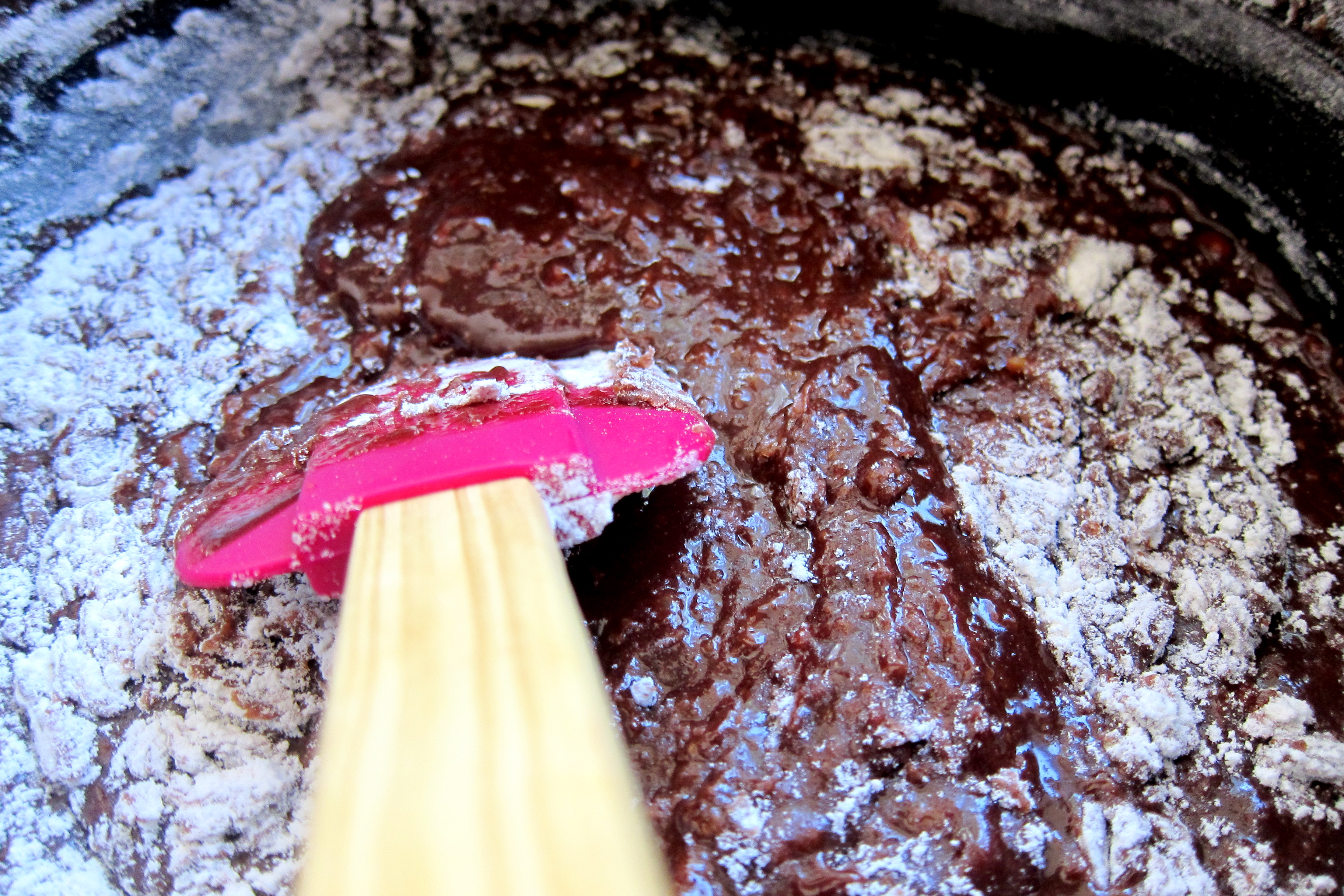
Gently fold in the flour and salt. Stir well to make sure there are no streaks. Scrape the batter into the baking pan and smooth the top. Bake for 35 – 40 minutes or until a skewer comes out with a few crumbs attached but no raw stuff. Let the brownies cool a little before cutting them into squares. Serve warm with some ice cream or a dollop of crème fraîche. If you don’t want instant gratification, these actually improve with time; store in an airtight container and enjoy picking.

*The orange-infused chocolate will have less cocoa content, so you will need to slightly increase the cocoa powder.

Share this:

  • Share on X (Opens in new window) X
  • Share on Pinterest (Opens in new window) Pinterest
  • Share on Facebook (Opens in new window) Facebook
  • More
  • Share on Reddit (Opens in new window) Reddit
  • Share on LinkedIn (Opens in new window) LinkedIn
  • Share on Tumblr (Opens in new window) Tumblr
  • Print (Opens in new window) Print
  • Email a link to a friend (Opens in new window) Email
Like Loading...

Crème caramel

15 Sunday Apr 2012

Posted by Sophie James in Recipe

≈ 4 Comments

Tags

Dessert, Food, Herbs, Ingredients, Recipes, Stories

IMG_7132

Spoonable and consoling crème caramel. It’s been around forever it seems. Always a restaurant staple, but rarely made at home, or at least never by me. I think I’ve always been rather intimidated by it – dark caramel running down satiny slopes of custard seemed too fancy, too much the work of a pro. Even the texture is perfectly constructed; the sultry amber syrup has just enough bitterness to stop the whole thing feeling babyish. And yet, this is surprisingly straightforward to make and downright lovely.

On the custard continuum, it’s at the lean end, with crème brûlée (of shattered sugar fame) at the other, and pot de crème somewhere in the middle. Traditionally, whole milk and whole eggs are used which helps it hold its shape, out there on its own. It also gives it that just-set texture. These days, egg yolks or cream are often added in the quest for velvet tenderness. My first attempt without either reminded me of a Mini Milk (the only ice lolly I was ever allowed because it cost 10p); no bad thing but I wanted something a bit more grown-up, so this recipe has extra yolks.

The pudding’s complexity comes from the way the caramel ‘lining’ is absorbed by the custard over the time they spend together in the fridge and sitting on the counter top, which is why crème caramel is at its best eaten at room temperature. Cold dulls our perception of taste, and this is where you want liquid warmth, not the foggy chill of ice cream.

A vanilla bean is a traditional steeping ingredient here, but this custard also takes kindly to being infused with herbs, flowers and spices.  On my first outing, I steeped rose petals in the milk mixture for about an hour, and the result was delicate and subtle. Some finely chopped rosemary on my second attempt gave it more body, with an earthy, faintly medicinal quality. Orange zest was just right; warm and fragrant, without taking away from the pudding’s beautiful simplicity, while pulling it back from mere sweetness. I include it here.

Orange crème caramel/Crème renversée à l’orange

Adapted from Simon Hopkinson, Roast Chicken and Other Stories

2 cups (500ml) of creamy milk

Finely grated zest of 1 large orange (2 if you want more intensity)

⅓ cup (80g) of sugar

2 whole eggs

4 egg yolks

Generous ⅓ cup (100g) of sugar to make the caramel

Method

Pour the milk into a pan and add ⅓ cup (80g) of sugar with the orange zest. Bring to the boil, then remove it from the heat and leave to infuse for at least an hour. Put the whole eggs and egg yolks in a bowl and whisk lightly. Bring the orange milk up to a simmer, then temper the eggs by pouring in half a cup of the milk at a time, so they don’t scramble. Mix together, but don’t allow the eggs and milk mixture to become too frothy. Strain this through a fine sieve to remove all the zest, pressing down to extract as much of the flavour as possible. Put to one side and heat the oven to 300F.

Now for the caramel. Put the generous ⅓ cup (100g) of sugar into a pan and add enough water to cover (you don’t have to be precise about how much). Heat gently until the sugar has dissolved and then boil hard. Watch as it turns from transparent to light gold to reddish brown; don’t do anything else while this is happening as you don’t want it pale and insipid, but you don’t want black sugar either. It moves from one to the other with startling speed. As soon as you think it’s ready, pour into six ramekins, swirling it so that it covers the base and some of the sides. It will harden quickly, so act fast and don’t talk to anyone. When it’s set, put each ramekin into a roasting dish, and from there gently pour the custard mixture into each mould. Now pour enough hot tap water into the roasting dish so that it goes most of the way up the sides of the moulds (about two-thirds), cover the dish with foil, and bake for about 40 minutes.

IMG_7101

Don’t have the heat too high, or boil the water as the custard will curdle. They’re ready when there’s still a small liquid centre, which will firm up after you remove them from the oven. Take them out and keep them in the roasting tin on the counter for 30 minutes, then refrigerate, covered, for about 5 hours or overnight. Let them come to room temperature, if you can. It also makes them easier to turn out. To serve, run a thin knife round the edges of each ramekin to loosen, put a plate over the top and flip over.

Some steeping ideas: 3 sprigs of thyme or a sprig of rosemary, rose petals from 2 untreated rose heads, the zest of a whole orange, lemon or lime, ¼ cup of fresh lemon verbena, lemon balm or lavender, ¾ cup of toasted nuts, such as almonds or hazelnuts, or 2 teaspoons of toasted cardamom seeds. The amount of time you infuse these ingredients in the milk mixture will depend on how intensely you want the flavour to come through.


Share this:

  • Share on X (Opens in new window) X
  • Share on Pinterest (Opens in new window) Pinterest
  • Share on Facebook (Opens in new window) Facebook
  • More
  • Share on Reddit (Opens in new window) Reddit
  • Share on LinkedIn (Opens in new window) LinkedIn
  • Share on Tumblr (Opens in new window) Tumblr
  • Print (Opens in new window) Print
  • Email a link to a friend (Opens in new window) Email
Like Loading...

A word about bitterness

06 Friday Apr 2012

Posted by Sophie James in Recipe

≈ 12 Comments

Tags

Baking, Dessert, Food, Fruit, Ingredients, Marmalade, Nonfiction, Recipes, Seville oranges, Stories

Up until relatively recently all oranges were bitter. They originated – as did all varieties, right down to the tangerine and the kumquat – from China, and go back 3,000 years. Arab traders brought them to Europe at the end of the Roman Empire, along with spices, silk and sugar, and the main crop was established around the area of Seville, in Andalusia, hence the name we English know them by. The skin of the bitter orange (Citrus aurantium) is distinct from its sweet cousin (C. sinensis) in that it is baggy and heavily dimpled, reminiscent of cellulite. Here in southern California, bitter oranges are often left to rot on the branch, untouched and overlooked, but up until the nineteenth century it was the bitterness that people prized the most. The aromatic peel and sharp juice were symbols of opulence and sensuality, and the flowers were distilled and used to flavour food as well as to perfume baths and make-up.

They make the best marmalade, without a doubt. In fact they made the first marmalade, if you ignore the Portuguese quince version and the pear, plum and gooseberry pastes of Tudor England. And of course it was all fluke: a ship containing a cargo of Seville oranges took shelter from a storm in Dundee. Local greengrocer James Keiller bought the lot, and his wife, Janet, turned them into marmalade. By 1797, they had the first marmalade factory.

IMG_7491

I have to include a recipe for marmalade. I came by some Chinottos here (a variety of bitter orange) and needed to put them to good use, but there are many other things you can do with them. Bitter oranges and their peel freeze well, so if you’re ever in doubt, always say yes. Their juice is a good replacement for lemon or lime, particularly to accompany rich meat, such as duck. The peel can be used for a bouquet garni which deepens and adds character to stews – pare strips of zest using a potato peeler from the fruit and hang up to dry in a warm, sunny place before adding it to a herb bundle.

The marmalade recipe below uses demerara, similar to turbinado, cassonade or Hawaiian washed sugar, which is darker and coarser than cane sugar and adds a treacly dimension. It is in no way intended to be a definitive version. Marmalade, I’ve realized, is a very personal thing and everyone has their peccadilloes – thick cut or thin, syrupy, solid, wobbly, astringent, ladled over ice cream, eaten only at night etc. In other words, marmalade is a minefield. So with that in mind, I tentatively ask you to please consider this version and we’ll hopefully leave it at that.

Bitter orange marmalade

Adapted from Pam Corbin, River Cottage Handbook No.2: Preserves

1kg (2.25lb) bitter oranges

75 ml (5 tbs) lemon juice

2kg (4.5lb) Demerara sugar

2.5 litres (4½ pints) of water

Makes 5-6 450g (1lb) jars

I followed the instructions for the bergamot and orange marmalade recipe here, with one difference: the lemon juice is added to the pan with the sugar, not before. The emphasis on weight rather than individual oranges helps keep the ratios balanced, but always taste as you go. I often add three-quarters of the warmed sugar to the juice and taste, then add some more, taking it bit by bit; only you know your sweetness threshold.

IMG_6983

Marmalade Tart

This dough is idiot-proof and takes well to being speckled with rosemary. Think of the tart as a ‘shelf’ for the marmalade and you have yourself a fine breakfast. It also makes a suave dessert, delicately poised over a lake of cream with the breath of the oven still upon it. I have a preference for thin, ‘single’ cream, which laps at the edges of the crust and swirls, ripple-like, through the sticky juice. A crisp cloud of vanilla ice cream is also not to be sniffed at.

Adapted from a David Lebovitz recipe for Easy Jam Tart

Serves 8-12

9 tbs (110g) unsalted butter, at room temperature

½ cup (100g) sugar

1 large egg & 1 large egg yolk

Small splash of almond extract

1½ cup (190g) flour

½ cup (70g) ground almonds

½ tsp sea salt

1 scant tsp baking powder

1¾ cups (450g) marmalade or jam (apricot would be lovely)

Zest of a lemon or orange

1 tsp finely chopped rosemary

Demerara sugar

Beat together the butter and sugar until well incorporated. Then mix in the egg, egg yolk, zest and almond extract. In a separate bowl, whisk together the flour, ground almonds, salt, finely chopped rosemary and baking powder. Gradually add the dry ingredients to the wet until the mixture just comes together. Take about ¾ of the dough and pat it into a disc shape, wrap it in plastic and put it in the fridge. Take the remaining dough and roll it into a log shape about 2ins (5cm) in diameter, wrap it in plastic and chill both pieces for about half an hour.

Remove the disc-shaped dough from the fridge and, using the heel of your hand, press it into the bottom and sides of an unbuttered tart pan (9-10ins/24cm). Pat until it looks evenly distributed. Now spread the marmalade over the top so that it forms a smooth plateau. Remove the log of dough from the fridge and slice into cookie-sized rounds, then lay these over the marmalade, in whatever pattern you want; try to cover as much of the preserve as possible as you go. Top with Demerara sugar (about 2 tbs) and bake for about 30 minutes, or until the pastry is golden brown. Let it cool slightly before serving.

Share this:

  • Share on X (Opens in new window) X
  • Share on Pinterest (Opens in new window) Pinterest
  • Share on Facebook (Opens in new window) Facebook
  • More
  • Share on Reddit (Opens in new window) Reddit
  • Share on LinkedIn (Opens in new window) LinkedIn
  • Share on Tumblr (Opens in new window) Tumblr
  • Print (Opens in new window) Print
  • Email a link to a friend (Opens in new window) Email
Like Loading...

Chocolate marmalade slump

27 Tuesday Mar 2012

Posted by Sophie James in Recipe

≈ 13 Comments

Tags

Baking, Cake, Chocolate, Cookbook, Cooking, Dessert, Ingredients, Lucas Hollweg, Pudding

This is a shameless steal from my cousin Lucas Hollweg’s book Good Things to Eat, a collection of quietly ravishing recipes and stories with beautiful photos of real food, made with love, and that (as we say in the West Country).

This cake has been variously called “boss” (as in “this cake is boss”) “rad” (radical) “wowser” (in the absence of a suitable adjective) and “phenomenal.” Our recent German guests thought nothing of tucking into this first thing despite Joe’s concern that, according to his understanding, “Germans don’t like sweet.” But they do and besides, this is not sugar-sweet, but rather darkly fruity, earthy and voluptuous with the marmalade adding depth and spice. Basically, it’s the Eartha Kitt of chocolate cake.

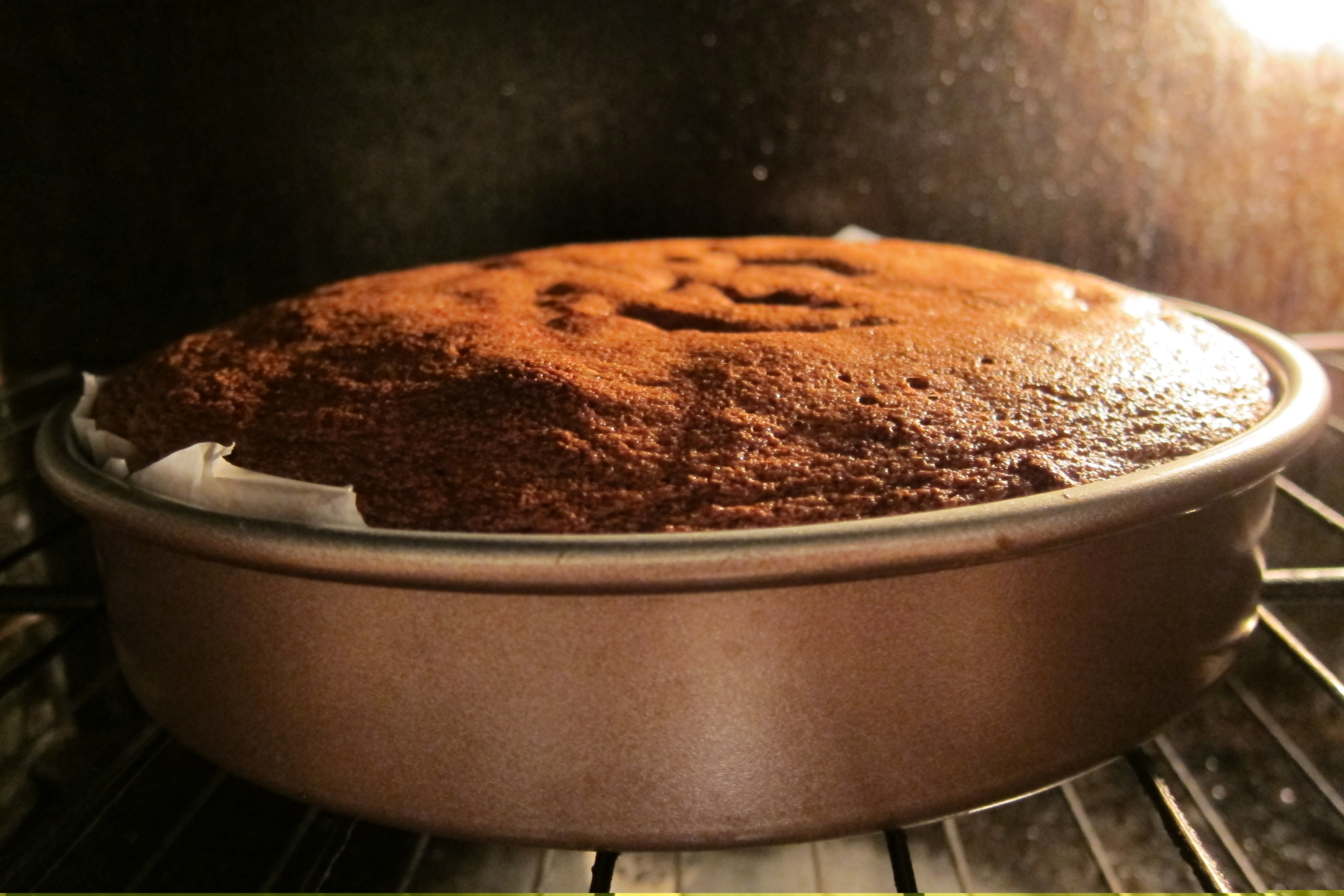
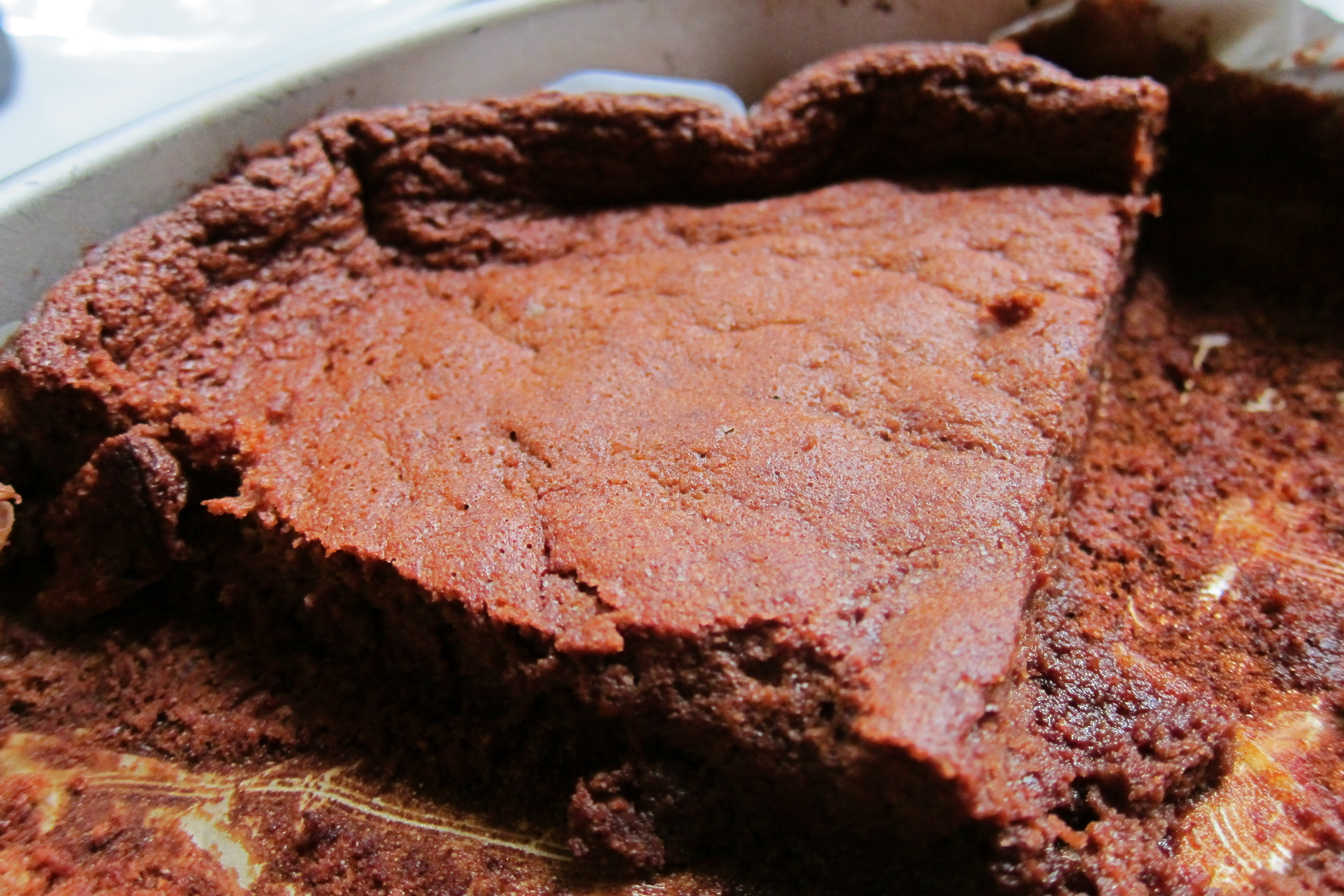
IMG_6734Our English guests had it around mid morning with a cup of tea and then kept creaming off sections until it looked like this. It is both cake and mousse, with a rich-as-a-truffle interior and a seriousness that stops it feeling too indulgent. It’s not a “naughty” cake. It’s too volcanically strong and direct for that. This is my answer to all those American cupcakes I’ve sampled over the years that are the equivalent to eating sparkly Pollyfilla. If I’m going down, I’m taking a damp, tannic wedge of chocolate marmalade slump cake with me, and you can keep your red velvet sprinkled doodahs for another day.

As for chocolate, I used Valrhona Noir Amer, which has 71% cocoa solids in it. Too far over 70% and it starts to feel dry in the mouth; you want dark silk, not chalk. Green and Black’s Organic Dark 70% and Scharffen Berger 70% Cacao Bittersweet Chocolate would be my other faves. Most recently, I used lime marmalade in the mixture and this came through well; clean, bright and sharp, it lifted the cloak of chocolate and gave it zip. The addition of bergamot and orange marmalade on another outing was lovely, too – warm and floral. I’ve also used a jar of shop-bought Seville orange marmalade and it was spankingly good, which goes to show: a good cake is a good cake regardless.

The ‘slump’ occurs right after removing it from the oven, and as well as being quite dramatic to watch, thankfully takes the cake far away from sponge territory. Lucas suggests cream as an accompaniment – I love crème fraîche here, with its clotted appearance and tang, and though sometimes its sourness can be bullying, this cake can take it.

Chocolate Marmalade Slump Cake

Lucas Hollweg, Good Things to Eat

I’m lifting this recipe ‘clean’ from the book, so ounces and grams will feature, and not cups. Apparently, professional bakers always measure by weight, not by volume (i.e. cup size), so a digital scale would probably be a wise purchase in the long run, if you’re on a serious baking jag.

 Makes a 23cm (9in) round cake

100g (3½oz) Seville orange marmalade, with lots of chunky peel

finely grated zest of 1 large orange

125g (4½oz) caster sugar

150g (5½oz) unsalted butter

150g (5½oz) good dark chocolate (60 – 70% cocoa solids), broken into bits

4 medium eggs, separated

a pinch of salt

50g (1¾oz) cocoa powder

icing sugar, for dusting

 “Preheat the oven to 190C/375F/Gas Mark 5. Line the bottom of a round, loose-bottomed 23cm (9in) tin with a circle of baking parchment, and cut a long strip about 4cm (1½in) wide to make a collar around the inside. Put the marmalade and zest in a food processor and blitz to a slush.  Add the sugar and whizz in. Put the butter into a small saucepan and melt over a gentle heat.  Remove from the hob and leave to stand for a couple of minutes, then throw in the chocolate, pushing it under so it’s just submerged. Leave to melt without stirring for about 3 minutes, then mix until smooth and glossy. Stir in the marmalade and orange zest slush and tip into a bowl.

 Beat the egg yolks vigorously into the chocolate mixture, then sift the cocoa powder over the top and beat that in as well. Put the whites in a clean metal mixing bowl with a pinch of salt and, using a scrupulously clean whisk, whip until they form soft peaks – they should flop over at the top when you lift the whisk. Beat a third of the whisked egg whites into the chocolate mixture to loosen it a little, then carefully fold in the rest, scooping the chocolatey goo from the bottom of the bowl as you go, until it’s a uniform brown.

 Pour the mixture into the lined tin, smooth the top and bake in the oven for 30 minutes, or until the centre has risen to form a set and slightly undulating plateau. Remove from the oven and leave to cool for at least 15 minutes, then carefully take it out of the tin on its base and peel the paper from around the sides (I deal with the paper on the bottom when I come to slice it). Leave to cool until just warm – about 30 minutes out of the oven – or room temperature. Just before serving, sift a bit of icing sugar over the top. Serve in slices with double cream, creme fraiche, ice cream or mascarpone.”

Share this:

  • Share on X (Opens in new window) X
  • Share on Pinterest (Opens in new window) Pinterest
  • Share on Facebook (Opens in new window) Facebook
  • More
  • Share on Reddit (Opens in new window) Reddit
  • Share on LinkedIn (Opens in new window) LinkedIn
  • Share on Tumblr (Opens in new window) Tumblr
  • Print (Opens in new window) Print
  • Email a link to a friend (Opens in new window) Email
Like Loading...

A word about cherimoyas

22 Thursday Mar 2012

Posted by Sophie James in Recipe

≈ 2 Comments

Tags

Custard apple, Dessert, Food, Fruit, Ingredients, Recipes, Stories

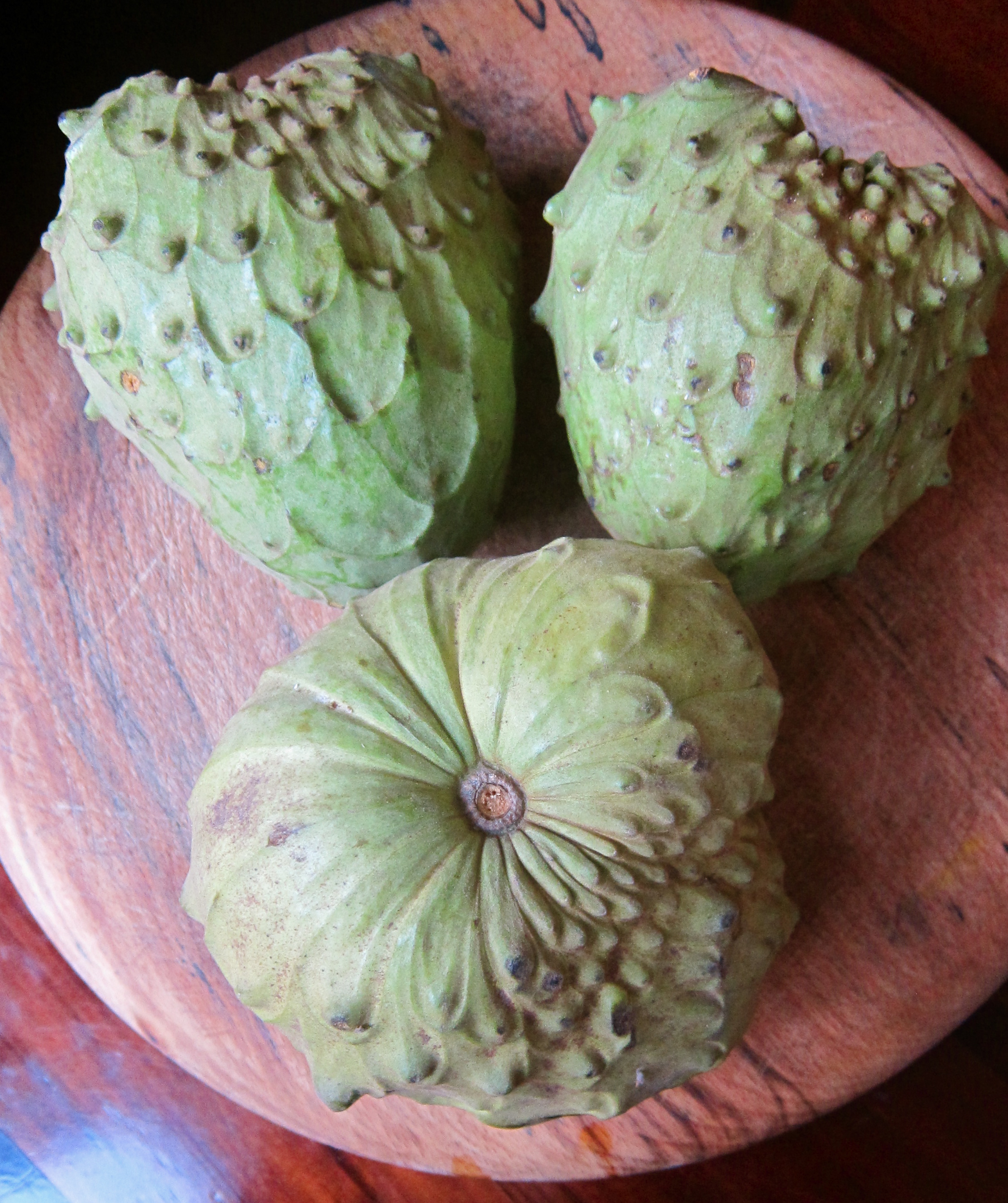
IMG_6430The cherimoya doesn’t so much have a skin as a hide. The green scales covering this frankly prehistoric-looking fruit conceal a milk-white, meltingly sweet interior. Though it’s part of the Annona family, to which the custard apple (Annona reticulata) also belongs, the first mouthful reminded me of drippingly ripe pear, with the scented cream of banana and the gentle acid of pineapple blooming moments later. The texture is both coldly crisp and rich.

As nature has given us a fool* in disguise, it would be crazy to tinker too much with it, I think. You can slice off the top and eat the contents with a spoon, which is fun, but the slippery – and large – black seeds take some navigating. You could pick them out and then eat the fruit out of hand, like I sometimes do with an avocado if I’ve forgotten cutlery.IMG_6725

Alternatively, the gentlest of interventions would be to tease out the seeds, give the fruit a squeeze of lime, add the zest, and then encourage the cherimoya’s sherbet-like qualities with a spoonful of creme fraiche. Any more doctoring and it would become sadly ordinary; no pies or tarts (or vicars) needed here. Another possibility is to cut it into chunks and add it to a fruit salad, but the challenge would be whether its subtlety and gentleness could hold up against other more dashing and showy specimens.

Though it can look quite menacing, it is actually rather a delicate, frail thing. The skin bruises and breaks easily, and, like a pear, the moment of perfection is fleeting, so always buy it firm to the touch and allow it to ripen out of direct sunlight over three to four days.

Custard apples and sour-sops (Annona muricata) – also in the same genus as the cherimoya – were brought to England by West Indians who had enjoyed them in the Caribbean, though the cherimoya tree itself originated in the uplands of Peru and Ecuador; the name is derived from the Inca language, Quechua, and translates as “cold seeds.” In Southern California, the trees have done well in the sub tropical and mild temperate climates of the region since 1871. Their season is short – March to May – and as they don’t travel well, you won’t find them in supermarkets, which makes them something of a curio; both a good and a bad thing. I’m not a fan of the exotic for its own sake, and much is made of its shape and strange armour. Ultimately, I think the cherimoya is a find because it carries within it a palimpsest of flavours and textures we’ve encountered elsewhere. My first mouthful made me think of ambrosial, just-setting custard, which then took me back to Ambrosia Devon Custard in a tin, which as a child – and you’ll have to trust me on this one – tasted amazing.

Cherimoya fool

Traditionally a fool involves cooking the fruit and then either crushing or sieving it before adding whipped cream. If you’re a fan of texture, rather than uniform smoothness, as I am, then simply remove the (inedible) seeds and crush the fruit with a fork, which will start to turn to mush naturally anyway. It’s important to use fruit whose skin is soft to the touch, but not overly bruised or brown; the same principle as an avocado. Cooking here is unnecessary and will strip the cherimoya of its nutrients (it is exceptionally high in vitamin C) as well as the spellbinding freshness. I think lime juice accentuates the cleanness, but a squeeze of orange would work as well.

Serves 2 (fills 2 ramekins)

1 large heavy-sized cherimoya or 2 medium ones

Juice and zest of 1 small lime

1 very heaped tablespoon of creme fraiche (or whipped heavy/double cream)

Cut the cherimoya in half, and then scoop out the flesh, picking out the seeds as you go. Discard the seeds along with the skin. Crush or roughly chop the fruit (you may not have to do either if you have an exceptionally ripe one). Add the lime juice and the zest, along with the creme fraiche, and make sure all the ingredients are evenly distributed throughout. Serve in small glasses or ramekins. Sprinkle with extra zest for prettiness.

* A fool is an old English dessert made of crushed fruit and cream. Gooseberry fool is the quintessential summer pudding and rhubarb fool is lovely in winter. Apparently wild apricot fool is the bees knees.

Where to get them in LA: Rancho Santa Cecilia (based in Carpinteria) sells them at the Hollywood farmer’s market on Saturdays and the ever-helpful Mud Creek Ranch (from Santa Paula) do too, as well as appearing at the Wednesday farmer’s market in Santa Monica.

Share this:

  • Share on X (Opens in new window) X
  • Share on Pinterest (Opens in new window) Pinterest
  • Share on Facebook (Opens in new window) Facebook
  • More
  • Share on Reddit (Opens in new window) Reddit
  • Share on LinkedIn (Opens in new window) LinkedIn
  • Share on Tumblr (Opens in new window) Tumblr
  • Print (Opens in new window) Print
  • Email a link to a friend (Opens in new window) Email
Like Loading...

A word about thyme

08 Thursday Mar 2012

Posted by Sophie James in Recipe

≈ Leave a comment

Tags

Cooking, Dessert, Herbs, Ingredients, Mediterranean, Recipes

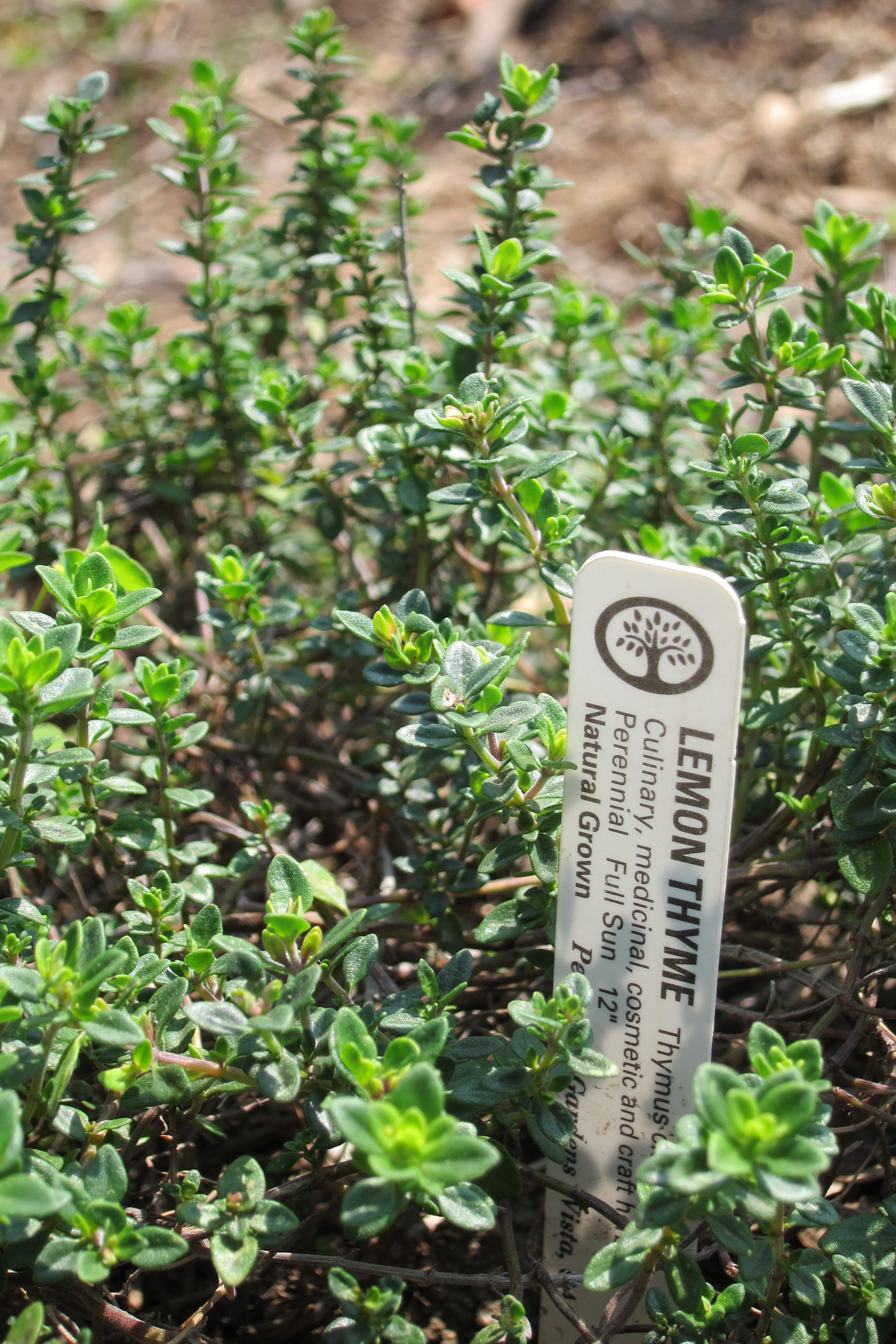
Of all the herbs, I find thyme the most satisfying and the least temperamental to grow. Native to the Mediterranean where it grows wild, it loves neglect, drought and miserly earth – the more woeful the better – as well as a fair whack of sun and heat. It suits the confinement of a terracotta pot, just make sure it’s thoroughly parched before watering; it hates wet feet. One of my favourite pastimes is running my fingers through each knotty cascade and getting a headful of that bracing, lemon-and-fresh-grass aroma. Then there is the taste; pummeled with lemon zest and roasted with garlic and tomatoes, or deposited into the cavities of lamb and chicken, it can be slow to release its flavour but when it does, woody, herbal, charcoal notes can lift a pedestrian offering and make it sing.

Thyme is a herb that loves to be steeped and infused with citrus, lending an aromatic depth to dishes. In desserts, I find it tempers the sugars and brings out the other, less sweet, elements. It works particularly well in this way with figs and stone fruit, such as apricots and peaches. Flecked through a cake it can get lost, so a good bruising beforehand will encourage the release of essential oils. On the other hand, too much thyme and too leisurely a steep in custard (for use in ice cream or a flan) and it’s like drinking cough mixture.

March is a good time to talk about herbs. Even in Southern California, where it’s reported that the amount of uninterrupted blue sky is commensurate with the number of people in therapy (a lot), this is the month when LA can have a frosty face. Traditionally, March has always been known as the famine time; the Irish used to call it “the grey blast of spring.” Any stored fruit had more or less expired by this point, so the cook was dependent on fresh new shoots from herbs to awaken tired dishes. Conveniently grown near the kitchen door, it meant a single hand could slip out, grab what herb it needed and then beat a retreat, away from glowering skies.

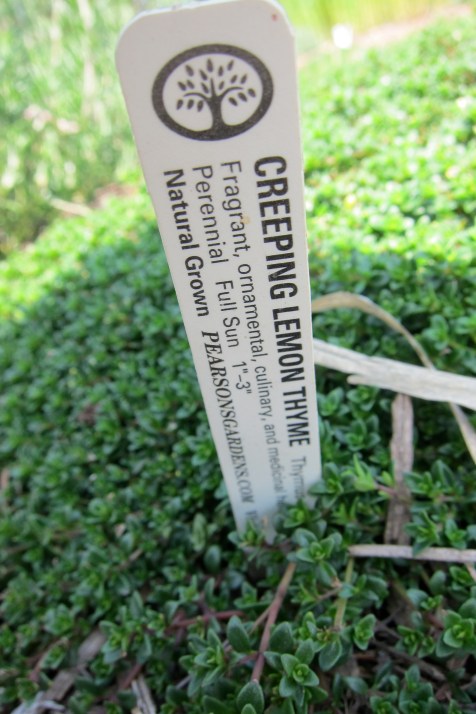
The time to plant is now. Young shoots will lack the pungency of a mature thyme that has been baked by the sun; slow cooking helps give the older plant a milder presence while introducing younger leaves near the end of cooking preserves the delicacy. Aside from Thymus Vulgaris – otherwise known as common or English thyme – lemon thyme (T. Citrodius) is the one used most often in cooking; it has a softer, less searing flavour and does well in shortbread and as a final flourish. Orange balsam, caraway and Sicily, with its celery scented leaves, are among the hardiest with the most concentrated perfume, while the creeping coconut thyme has a more fugitive scent and is not considered culinary at all, though I’ve used it if there’s nothing else (I can’t say it tastes much of coconut).

IMG_6478

The lemon cake with thyme recipe, made with almonds and a swipe of flour, is fragrantly moist with just a breath of savoury to it, thyme once again bringing up the rear, adding warmth, depth and a much-needed bit of rough.

Mushrooms with thyme on toast

I can think of no lovelier start to the day than this: earthy mushrooms, woody thyme and razor-sharp lemon zest all collapsing into a fragrant heap over a heft of hot, buttered toast. Some crushed garlic is a lovely, warming addition, as is brown butter. Although it looks in some senses ‘wrong’, brown butter (or beurre noisette) adds a toasty, nutty dimension; you simply heat the butter gently until the milk solids on the bottom of the pan turn a dark, chocolatey brown, then add the rest of your ingredients. If you want to make a concession to health, olive oil is a good alternative here.

One of Jane Grigson’s luxurious ideas is to bake the mushrooms in the oven with clotted cream, but I think we’ll leave that for another day.

Serves 2

8 smallish mushrooms or 4 large field mushrooms (Morels appear in spring, as do ‘Hedgehogs’, if you want to go foraging)

1 tbs butter

1 clove of garlic, crushed

1 heaped tbs of thyme leaves stripped from the stem

1 tsp lemon zest (or finely chopped preserved lemon)

Bruise the leaves of the thyme with the lemon zest and garlic in a pestle and mortar, or in a bowl with a wooden spoon. Add a few grinds of salt and pepper. Brown the butter, lower the heat and add the thyme mixture along with the roughly chopped mushrooms, that have been wiped clean, not washed. Cook over a medium heat until the mushrooms are wilting and have started to brown. The trick is to keep things moist, so add a tablespoon of water if you need to. If you want your mushrooms to have something of the damp, forest-like interior about them, keep them in a bag in the fridge for a day or so before cooking. As to toast, I will leave it up to you. Tradition dictates white and thick and toasted within an inch of its life (it will go soggy soon after the mushrooms have arrived) but it’s hard to go wildly wrong with this classic.

Share this:

  • Share on X (Opens in new window) X
  • Share on Pinterest (Opens in new window) Pinterest
  • Share on Facebook (Opens in new window) Facebook
  • More
  • Share on Reddit (Opens in new window) Reddit
  • Share on LinkedIn (Opens in new window) LinkedIn
  • Share on Tumblr (Opens in new window) Tumblr
  • Print (Opens in new window) Print
  • Email a link to a friend (Opens in new window) Email
Like Loading...

Lemon drizzly

06 Tuesday Mar 2012

Posted by Sophie James in Recipe

≈ Leave a comment

Tags

Almonds, Baking, Cake, Dessert, Food, Herbs, Ingredients, Lemons, Recipes

IMG_1525

I’m aware I might be going overdrawn on my ‘lemon’ account with this recipe, but this really is sublime. It also works equally well with limes, if you want something more piercing. In either case, the loaf cake is made doubly moist, first with the addition of ground almonds and then with the soaking it gets from the lemon/lime syrup. It keeps for ages.

I used thyme here too; it is one of those shrubby herbs you can be quite flagrant with, unlike sage or rosemary. Whenever I’ve been tentative, it looks as though a couple of green flies have fallen into the mixture and need fishing out. It should look deliberate, so be generous. Thyme adds a resinous, woodland warmth, and tempers the sweetness. It goes particularly well with lemon; both are part of the Mediterranean palate, and with some light roughing up over heat, the smell can quickly conjure up memories of scorched earth, sea air and the sigh of singed, crackling wood over flame. Needless to say, you can leave it out.

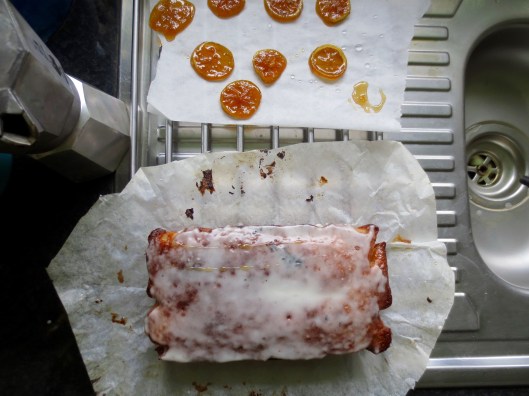
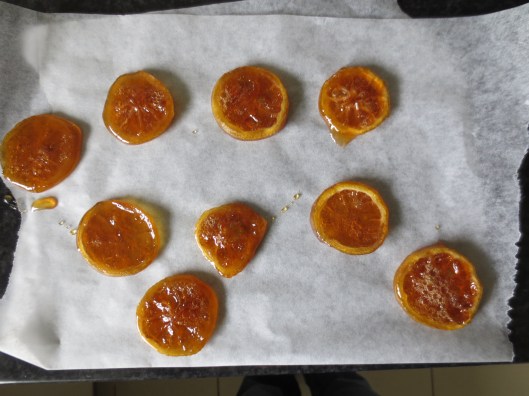
This cake is based on a Nigel Slater recipe, a food writer with the soul of a gardener in my view. I decided on the thinnest layer of lemon icing on top; it has never felt too much and it makes the cake less gooey to handle. Anyway, that’s my excuse. Candied lemons are a good standby.

IMG_1519

Lemon loaf cake

Adapted from Nigel Slater, Crumbs of Comfort, The Observer

At the risk of appearing slightly hysterical, this is the best lemon loaf cake I’ve ever eaten/made. It is simplicity itself and yet tastes quite amazing. People will think you’re professionally trained. 

For the cake:

200g butter, softened

200g caster sugar

3 large free range eggs at room temperature

80g plain flour (rice flour works well here too)

100g ground almonds

2 teaspoons of thyme leaves (optional)

Grated zest of 1 whole lemon (reserve the juice for the syrup)

Half a teaspoon of baking powder

Pinch of salt

1 loaf tin (8″ x 5″)

For the syrup:

4 tbsp sugar

Juice of 1 large lemon (see above)

For the candied lemons (optional)

3 lemons, thinly sliced

100g caster sugar

100ml water

Pre-heat the oven to 350F/175C. Butter and line the loaf tin with baking parchment. Sift the baking powder, salt and flour together. Cream the butter and sugar till they are pale and fluffy. Gradually beat in the eggs, alternating with the flour mixture to stop it curdling. Grate the lemon zest and mash it with the thyme leaves, if using, in a pestle and mortar or with the base of a jar; tearing the leaves helps release their essential oils. Or just add the lemon zest to the cake mixture, along with the ground almonds. Fold the mixture into the lined tin and bake for approximately 40 minutes or until a skewer comes out clean.

While the cake is baking, dissolve the sugar in the lemon juice over a low heat – taste as you go and add more sugar if need be. Remove from the heat and steep for 20 minutes. When the cake comes out of the oven, pierce it all over with a skewer and pour over the syrup. Allow to cool.

If you want to go a bit ‘Elvis’ with it, as I did, add a thin shell of lemon icing on top of the tacky-dry syrup; wet 6 heaped tablespoons of sifted icing sugar with 2 generous tablespoons of lemon juice and spread over the cake, letting it drip down the sides. Keep the cake wrapped tightly in foil for a few days to moisten if you can.

For the candied lemons, bring a pan of water to the boil and blanch the sliced lemons by putting them in the boiling water for five minutes. Drain and set aside. In another pan, bring the sugar and water to the boil, add the lemons and simmer for about 10-15 minutes, or until the white pith turns translucent. The lemon slices will go sticky and shiny. Allow them to cool on greaseproof paper. Store in an airtight container, or place on top of the cake for a pleasant finish. They’re quite chewy.

Optional extra: Add crushed cardamom from 1½ tbsp green cardamom pods (put the seeds in a pestle and mortar and crush to a coarse powder) to the butter/sugar before creaming. I think it gives the cake a slightly mystical, smoky flavour. Shout out to Good Things to Eat by (my cousin) Lucas Hollweg for this lovely addition to a lemon cake.


34.052234 -118.243685

Share this:

  • Share on X (Opens in new window) X
  • Share on Pinterest (Opens in new window) Pinterest
  • Share on Facebook (Opens in new window) Facebook
  • More
  • Share on Reddit (Opens in new window) Reddit
  • Share on LinkedIn (Opens in new window) LinkedIn
  • Share on Tumblr (Opens in new window) Tumblr
  • Print (Opens in new window) Print
  • Email a link to a friend (Opens in new window) Email
Like Loading...

A Word About Dates

16 Thursday Feb 2012

Posted by Sophie James in Recipe

≈ 1 Comment

Tags

Cookbook, Cooking, Dates, Dessert, Food, Ingredients, Recipes, Stories

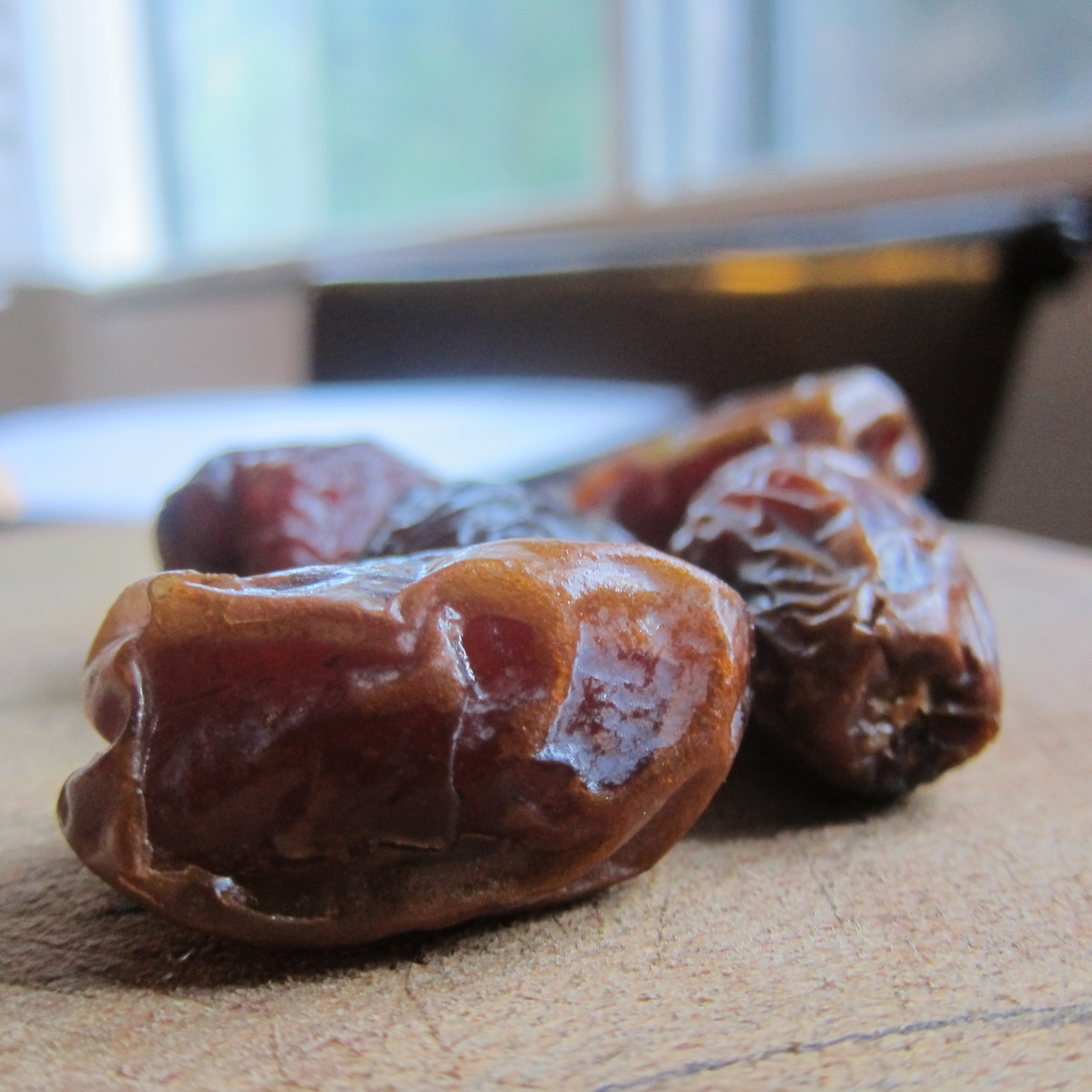
I’ve been on a Medjool date jag for months now. No mean feat if you consider the season is only supposed to run from September to November. Perhaps it’s because they’re grown in Coachella, a mere 132 miles away, that we’re experiencing such a glut. And they store well; six months in the fridge and they’re none the wiser. Medjools, along with Khadrawy, Halawy and Barhi, are classed as ‘soft’ dates because of their high moisture content. I will try to define the texture without straying too far into food-porn territory; your teeth break the sugar-blistered amber skin of the Medjool and the immediate sensation is a densely rich and yielding butterscotch flesh.

Two of these dates are the equivalent in sugar rush to eating a whole Milky Way without the artificially potent high and crashing low. Medjools in particular have a natural affinity with oranges – see the Sticky Toffee Pudding recipe – and dark chocolate. A collection of all three would make a fine dessert plate. Dipping medjools into melted dark chocolate and leaving to harden would also make a fine marriage.

Semi-dried dates, such as Deglet Noor, seem to belong to childhood Christmases; the rounded rectangular box covered in cellophane and decorated with palm trees and camels would always sit alongside a tray of nuts no one could crack. These dates are stickier, tougher and go well with thick yogurt.

But Medjools are the Kardashians of the date world; their demands are such that each date must be hand-pollinated and hand-harvested, while keeping their heads hot and feet wet at all times in order to thrive. This is also why they’re so expensive; cultivation is back-breaking and incredibly complex, with workers having to scale towering date palms several times a day to ensure a satisfactory yield. Talk about high maintenance.

Hot Date Compote (serves 2)

Adapted from Nigel Slater, Real Fast Puddings

1 tbs butter

8 soft dates, stoned and chopped

Generous squeeze of a large orange (about 6 tsp/30ml) and the zest

1 heaped tbs shelled pistachios, roughly chopped

Melt the butter in a pan until just starting to brown and smell nutty. Add the dates and let them soften over a gentle heat, giving the pan a good shake every now and then. Toss in the pistachios and let them brown slightly. Now deglaze the pan with the orange juice; this will pick up all the sticky, chewy bits that have started to caramelize. Add the zest, and let it all bubble for a minute or so, until it begins to look and feel like a puree. Serve hot over Greek-style yogurt or with a ripe, juicy pear. This compote is also amazingly good with pork as well as with a blue cheese such as Stilton or Roquefort (but not for breakfast – this would be stretching it even for me).

Share this:

  • Share on X (Opens in new window) X
  • Share on Pinterest (Opens in new window) Pinterest
  • Share on Facebook (Opens in new window) Facebook
  • More
  • Share on Reddit (Opens in new window) Reddit
  • Share on LinkedIn (Opens in new window) LinkedIn
  • Share on Tumblr (Opens in new window) Tumblr
  • Print (Opens in new window) Print
  • Email a link to a friend (Opens in new window) Email
Like Loading...

stp, before 10am

13 Monday Feb 2012

Posted by Sophie James in Recipe

≈ Leave a comment

Tags

Baking, Breakfast, Dessert, Food, Fruit, Ingredients, Recipes

image

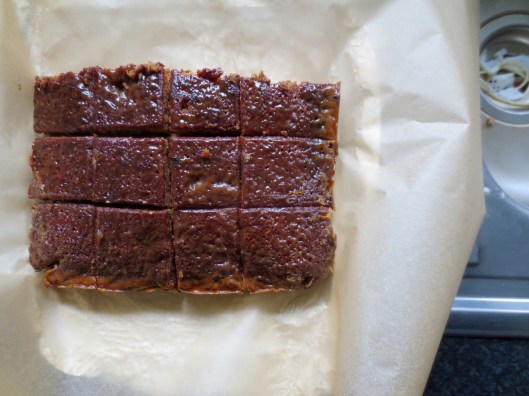
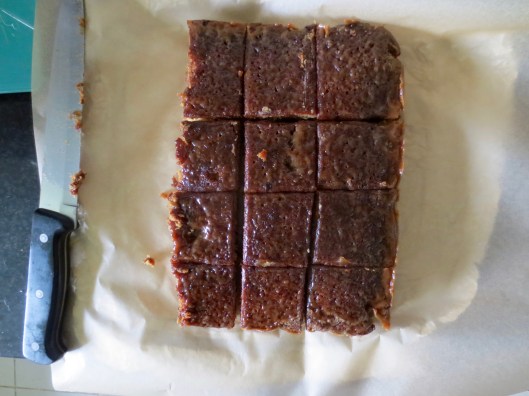
Plump, soft dates lend themselves to warm puddings and, yes, I have served this at breakfast time and got away with it. Given its name, sticky toffee pudding has none of the leaden qualities you would expect, and is actually well suited to the breakfast table; rich but not heavy, and rather muffin-like in texture.

I started off trying to perfect a sticky toffee pudding recipe using Jane Grigson in English Food as my source; Francis Coulson apparently invented it in 1948 at his country house hotel at Sharrow Bay on Ullswater, and it’s been fairly unmessed with ever since. Dates, softened with boiling water and bicarb, are added to a basic cake mixture which is then baked and served slathered in piping hot, toffee sauce.

I couldn’t perfect it; it is already exactly as it should be. All I did was add the juice and zest of an orange because it counteracts the rich effect of the dates and gives it a nice early morning brio. Blood oranges are in season, and their tartness is a good foil for the sweetness, but use whatever is available. Raisins also help keep the cake moist, adding pop and juice.

IMG_0884

I  gave the finished cake a light dousing with the toffee sauce and grilled it as the toasted stickiness reminded me it was intrinsically pudding and messy that way. To be eaten with vanilla ice cream I should think, or yoghurt if before 10am.

Sticky Toffee Pudding

Lightly adapted from Jane Grigson, English Food

I’m not entirely convinced that you need to liquefy the dates with water and bicarb. Or at least I’m not entirely convinced about the bicarb, which if you can taste it even minutely, is revolting and tinny on the tongue. Other recipes advise simply chopping the dates very finely, which I’ve tried and also like. You could perhaps try both. Here I’ve stuck to the original for ease and because it’s still delicious (though have reduced the amount of bicarb).

175g dates, stoned and chopped

1/2 teaspoon bicarbonate of soda

175g caster sugar

60g unsalted butter, softened

2 free range eggs (at room temperature)

175g self-raising flour, sifted

pinch of sea salt

Finely grated zest and juice of 1 blood (or normal) orange

Large handful of raisins (optional)

For the toffee sauce:

140g unsalted butter

200g light muscovado sugar

6 generous tablespoons of double/heavy cream

Pinch of sea salt

Zest of 1 orange

Pre-heat the oven to 180C/350F. Butter a square cake tin approximately 24cm x 24cm.

Make the sauce by putting all the ingredients into a pan. Heat slowly until the butter has melted, then turn up the heat and bring to the boil. Simmer for 3 minutes. Add more salt if you like it salty, as is the current style.

Put the dates and raisins in a saucepan, add 250ml of boiling water and bring to the boil. Remove from the stove, stir in the bicarb and leave to stand.

Beat together the butter and sugar until fluffy, and then gradually beat in the eggs. Fold the flour and salt gently into the batter and add the orange zest. Once the dates and raisins have soaked up all the water, add this to the cake mixture along with about 3 tablespoons of juice from the orange, or a hearty squeeze. Don’t over-mix.

Pour into the cake tin and bake for about 30-35 minutes or until a skewer comes out clean.  Then puncture holes over the top of the cake and pour over half the toffee sauce. Heat the grill to medium, and put the pudding briefly underneath, keeping an eye on it as it can easily burn. Serve with the remaining toffee sauce, along with a dollop of ice cream for dessert (fresh ginger ice cream works beautifully), or as is at any other time.

If you want to store this cake before eating, leave it toffee-free and keep the sauce in the fridge. Then, when it’s close to serving time, poke the cake all over and douse with the sauce, cover the cake in foil, gently re-warm in the oven at 150C/300F for about 20 minutes. Finish off with a blast from the grill.

IMG_0897


Share this:

  • Share on X (Opens in new window) X
  • Share on Pinterest (Opens in new window) Pinterest
  • Share on Facebook (Opens in new window) Facebook
  • More
  • Share on Reddit (Opens in new window) Reddit
  • Share on LinkedIn (Opens in new window) LinkedIn
  • Share on Tumblr (Opens in new window) Tumblr
  • Print (Opens in new window) Print
  • Email a link to a friend (Opens in new window) Email
Like Loading...
← Older posts
Newer posts →

Enter your email address to follow this blog and receive notifications of new posts by email.

Join 2,216 other subscribers

Top Posts & Pages

Frilly
Pause
Early Nigel
Plums and Pluots
Recipe List
Power of two

Recent Posts

  • At my allotment
  • A compendium of sorts
  • Mulberries
  • We are nature
  • Leaving home
  • A treacherous herb
  • Just stop it
  • Why I swim

Great books I’ve read

Blogs/Websites I read

  • Letitia Clark
  • Nigel Slater
  • Room to heal
  • Samantha Harvey
  • Stewart Lee
  • The Kureishi Chronicles
  • The Marginalian
  • Tom Cox
Follow Stories from the Stove on WordPress.com

Archives

  • June 2023
  • February 2023
  • September 2022
  • August 2022
  • July 2022
  • May 2022
  • February 2022
  • December 2021
  • August 2021
  • April 2021
  • March 2021
  • January 2021
  • June 2020
  • November 2018
  • August 2017
  • July 2017
  • May 2017
  • April 2017
  • February 2017
  • January 2017
  • November 2016
  • May 2016
  • October 2015
  • July 2015
  • June 2015
  • April 2015
  • March 2015
  • January 2015
  • December 2014
  • November 2014
  • October 2014
  • September 2014
  • August 2014
  • July 2014
  • June 2014
  • May 2014
  • April 2014
  • March 2014
  • February 2014
  • January 2014
  • December 2013
  • November 2013
  • October 2013
  • September 2013
  • August 2013
  • July 2013
  • June 2013
  • May 2013
  • April 2013
  • March 2013
  • February 2013
  • January 2013
  • December 2012
  • November 2012
  • October 2012
  • September 2012
  • August 2012
  • July 2012
  • June 2012
  • May 2012
  • April 2012
  • March 2012
  • February 2012
"A WOW piece!" Claudia Roden on Walnut Bread

Walnut bread

Lucas’s chocolate marmalade slump

Tags

Afternoon tea Allotment Almonds Art Autumn Baking Bread Breakfast Cafes Cake Childhood Chocolate Christmas Citrus Claudia Roden Cookbook Cooking Dessert Devon Dinner Elizabeth David England Exmoor Fish Food France Fruit Gardening Gelato Gluten-free Herbs Home Homesickness Honey Ice cream Ices Ingredients Italy Jam Jane Grigson Lemons London Los Angeles Lucas Hollweg Marmalade Meat Mediterranean Meyer lemons Nature Nigel Slater Nonfiction Nuts Onions Patience Gray Poetry Pudding Reading Recipe Recipes Salad Sea Seasons Soup Spain Spices Spring Stone fruit Stories Summer Sussex Travel Vegetables Winter Writing Yoghurt

A WordPress.com Website.

Privacy & Cookies: This site uses cookies. By continuing to use this website, you agree to their use.
To find out more, including how to control cookies, see here: Cookie Policy
  • Subscribe Subscribed
    • Stories from the Stove
    • Join 2,084 other subscribers
    • Already have a WordPress.com account? Log in now.
    • Stories from the Stove
    • Subscribe Subscribed
    • Sign up
    • Log in
    • Report this content
    • View site in Reader
    • Manage subscriptions
    • Collapse this bar
 

Loading Comments...
 

    %d