• Recipe List
  • Sophie

Stories from the Stove

Stories from the Stove

Tag Archives: Food

Greenery & cold blue sky

05 Sunday Jan 2014

Posted by Sophie James in Recipe

≈ 20 Comments

Tags

Christmas, England, Food, Herbs, Ingredients, Recipes, Stories, Travel, Yoghurt

IMG_1335I can’t have any more trifle. Is it me or is everything around this time of year yellow? Cauliflower cheese, the aforementioned trifle with its layers of custard and cream and small pillows of sponge soaked in a harrowing and unnamed alcohol. Potatoes, parsnips, pavlova, wheels of varicosely veined cheese, the sweating clay mantle of marzipan draped over a now moribund Christmas cake (thank you, Alan Partridge, for reviving the word ‘moribund’).

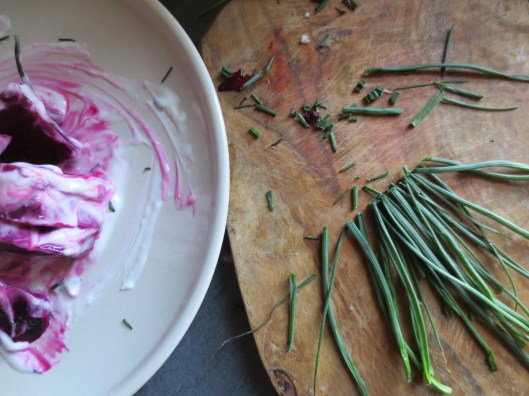
I would kill for something green and empty of any tracklements or gravy. Something, as a young friend said recently, ‘farmier’. So it is in search of the farmy – still showing signs of its former life in a field, a bit on the grubby side – that I am featuring horseradish and chives, and beetroot with the tops still on. Admittedly, horseradish is on the spectrum of yellow, but far from viscous, it is cleansing, almost brutal in its sinus clearing properties.

This has been our first English Christmas for four years. I had forgotten what happens; we have had no one there at all, just echoing voices down the phone and talking heads via Skype, that instrument of torture, all smoke and mirrors. Then, all of a sudden, here we all are, sitting in the same overheated room for five and a half days eating individually wrapped chocolates housing an unfamiliar nut combination. Watching films incessantly, grazing like cattle, and forgetting, consciously, all the people who have nothing, and saying that next year we will volunteer for a homeless charity, to try to counteract the obscenity of all the waste. And then watching another film.
019

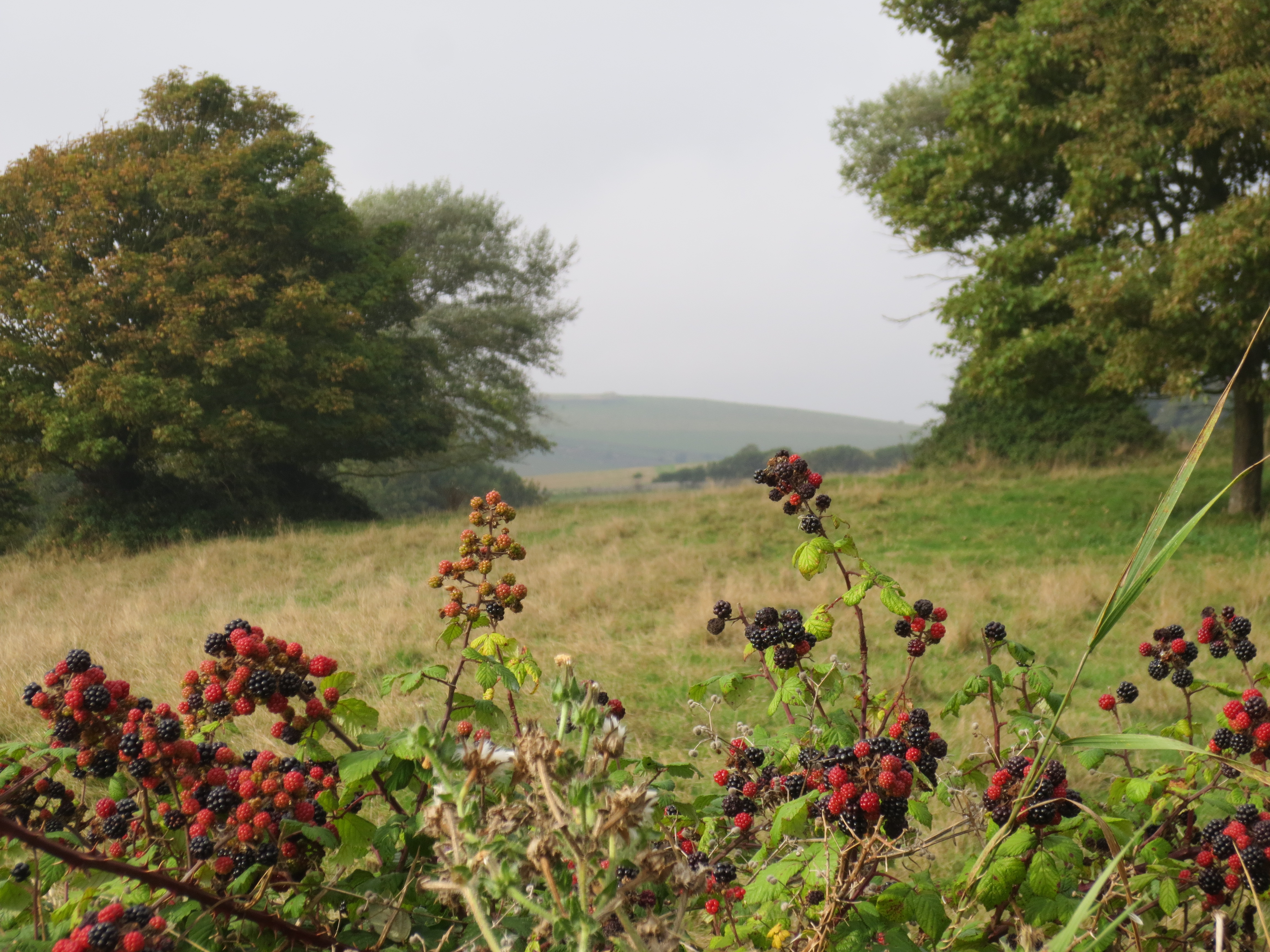
But these have been the highlights: travelling across the country afforded us sweeping views; rivers running red with iron in Somerset, an orange-bibbed pheasant launching itself into the air like a kite, faraway hills lush and dramatic with greenery and cold blue skies, and then the lashing rain that pitter-pattered on our skylight windows at night and came down in zig zags during the day. Frosty exteriors and meltingly warm central heating. Watching my dad play in his jazz band in a pub called The Valiant Soldier and meeting by chance a writer I’ve loved reading in The New Yorker, and admiring her shoes (Tessa Hadley).

Dancing with mum in the kitchen, my uncle playing the ukulele. Pretending to be Pina Bausch. Sharing christmas cake recipes; to ice or not to ice? Feeling for the first time in a long time that I am a version of something familiar, not exotic or an anomaly. My accent no longer ‘adorable’. I am no longer adorable! It’s exhausting, and I’m relieved.

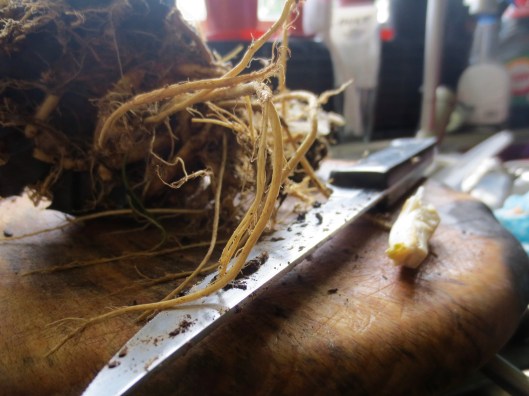
Horseradish (below, mine) is a member of the crucifer family, along with radishes, turnips and mustard and looks like a rather disgusting parsnip. Unpeeled it smells of nothing, but once it is nude, it will make you weep copiously. Open a window. It is best treated in the same way that mustard is – it loves roast beef, glazed ham and sausages – really any fatty meats do well. Fatty, oily fish do too. In fact, I have had so many versions of this beetroot-horseradish-fatty fish-or-meat dish in recent months that I may well be verging on the unseasonal.
IMG_1298

Grow your own horseradish with caution; it’s rampant and self-seeds and ‘wants to be’ highly invasive. If you find the root with the leaves still attached you can use them as a salad ingredient, or throw them into a saucepan with a glass of water and boil quickly, treating them as greens, though the leaves of my horseradish are always ravaged and ragged by the time the root is ready and go straight on the compost.

As for chives (Allium schoenoprasum), they add a lovely fresh, oniony grass-like taste – no surprise that they belong to the same family as the onion, leek, garlic and shallot. They have a natural affinity with anything creamy and/or with a nursery blandness such as eggs. Snip them with scissors rather than chop them with a knife. I see them growing ‘wild’ often though I suspect that it may just be a very vigorous, cultivated herb in someone’s abandoned hedge.

Horseradish & chive dressing with roasted beetroot

Adapted from Hugh Fearnley-Whittingstall, The Guardian

About 500g small beets
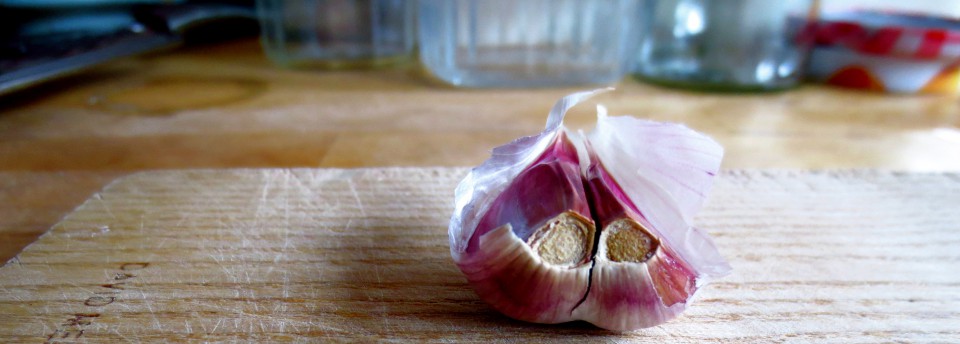
4 garlic cloves, unpeeled but bashed
1 large sprig fresh thyme (optional)
1 bay leaf (optional)
Sea salt and freshly ground black pepper
A glug of olive oil

For the dressing
200ml thick yoghurt (Greek is good)
Large squeeze of lemon juice & one garlic clove peeled, bashed and chopped
3 heaped tbsp freshly grated horseradish (more if you’ve got a cold)
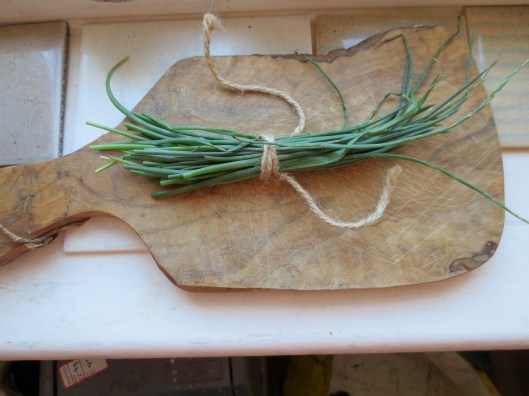
A small handful of finely chopped chives, plus more to finish

To serve
4 smoked mackerel fillets or scrambled eggs or an omelette
Salt and freshly ground black pepper

Heat the oven to 200C/390F/gas mark 6. Scrub the beets, but leave them whole, then place on a large piece of foil. Scatter with the garlic, thyme leaves, bay leaf and some salt and pepper, then dribble with oil. Scrunch up the foil to make a sealed parcel, place it on a baking tray and put in the oven. Roast until tender – about 45 minutes for small ones. The beetroots are cooked when a knife slips easily into the flesh. Leave to cool, then top and tail them, and remove the skin. Cut into wedges and place in a large bowl.

Whisk together all the dressing ingredients and season. Divide the beetroots between four plates and dollop the horseradish in the vicinity. Scatter on some more chives, season to taste and serve with lemon wedges and/or some scrambled eggs and/or mackerel fillets.
Share this:

  • Share on X (Opens in new window) X
  • Share on Pinterest (Opens in new window) Pinterest
  • Share on Facebook (Opens in new window) Facebook
  • More
  • Share on Reddit (Opens in new window) Reddit
  • Share on LinkedIn (Opens in new window) LinkedIn
  • Share on Tumblr (Opens in new window) Tumblr
  • Print (Opens in new window) Print
  • Email a link to a friend (Opens in new window) Email
Like Loading...

One jar only

15 Sunday Dec 2013

Posted by Sophie James in Recipe

≈ 11 Comments

Tags

Christmas, England, Food, Fruit, Ingredients, Jam, London, Poetry, Recipes, Stories

IMG_2057

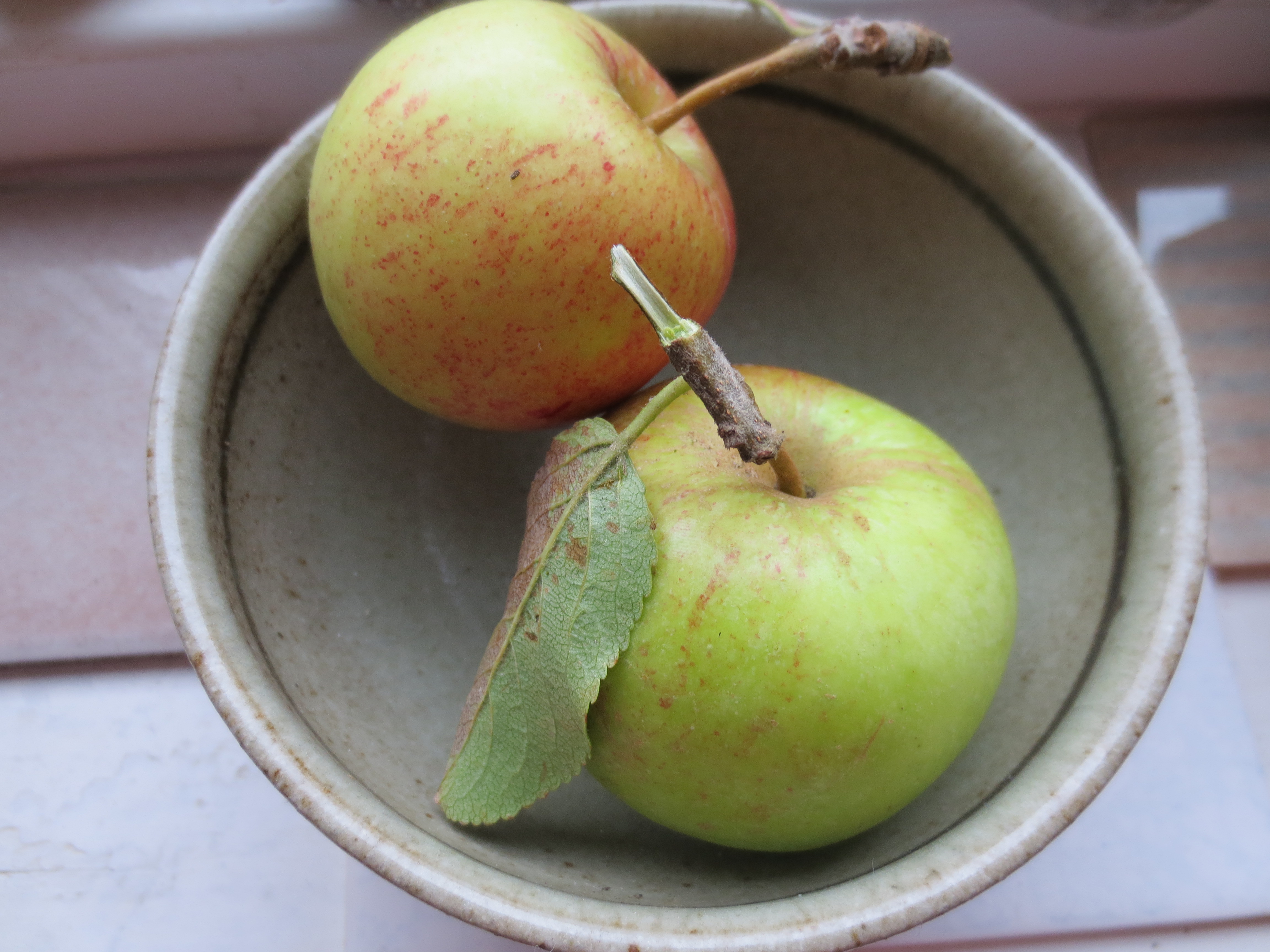
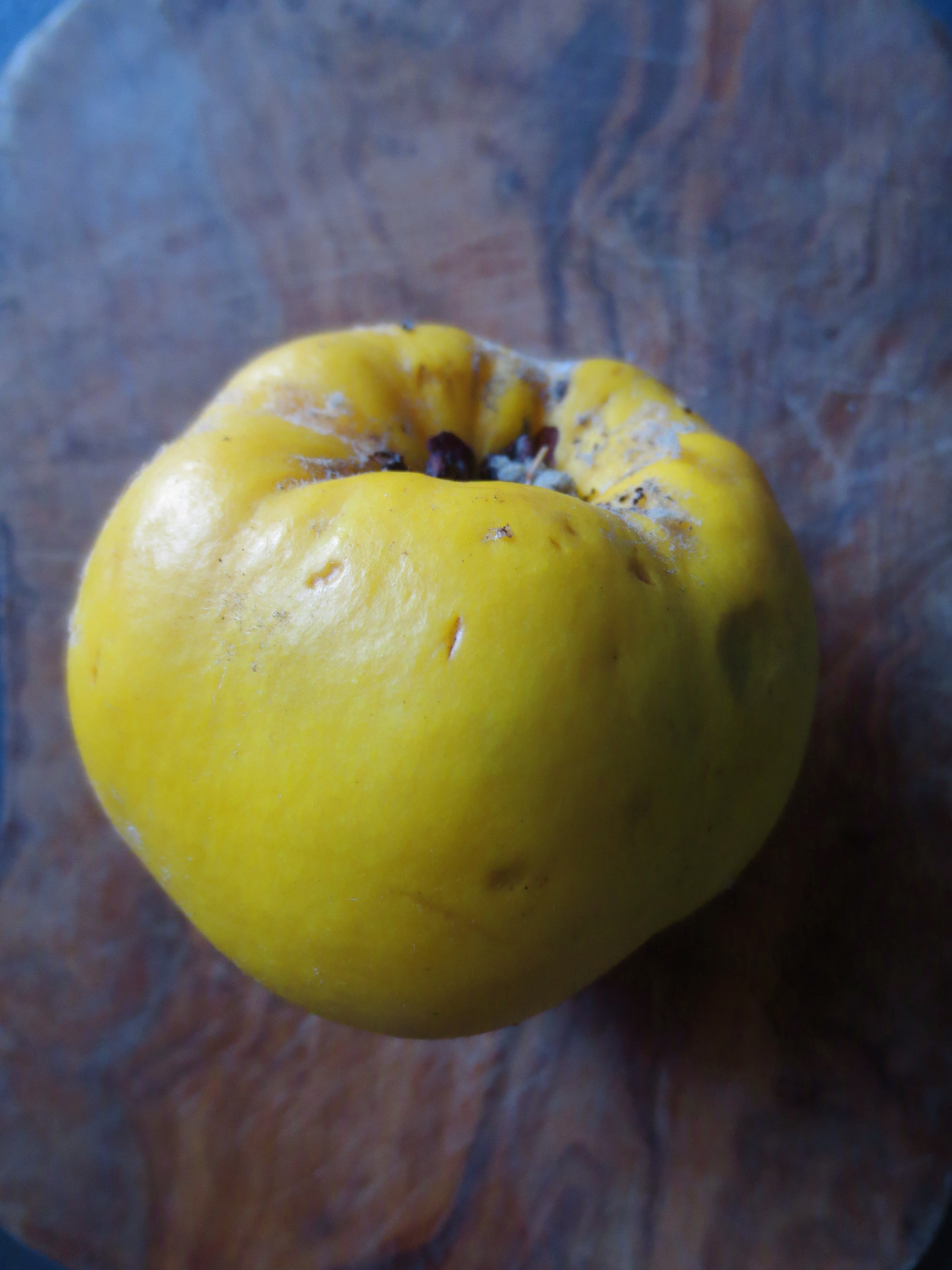
Horseradish and mustard seed. Apples and quinces. A dollop of something that smarts and sears is what is required now. I found the last quinces of the season where I am staying, tiny little gnarled things covered in crystalline cobwebs. Yellow turning to black and as small as tomatoes. And I found some Granny Smith apples that were bunched on a tree in someone’s front lawn. Green, luminous and numerous and unpicked. The rest of the garden was bare and suburban. But the apples were a cartoon green. Perfect and unmarked, with an almost waxy sheen.

“Excuse me, can I help you?” the voice behind us was arch and querulous. I quickly retreated my camera. We turned on our best smiles. “We were just admiring your lovely apples” I said. “Well, come on then, I’ll give you a tour. You can have some if you want.” I promised her a jar of spiced apple jam in return and she perked up. We followed her round her plot and listened to the story of how they bought the house, 40 years ago, and how before that the actress Dame Sybil Thorndike would sit in the conservatory and ‘be round the bend.’

“Won’t you come in? You haven’t eaten? You must be hollow.”

We walked into the house. It too had been untouched. Simple and spartan and her husband Colin was also both these things. Small, white-haired and dainty. He was writing Christmas cards but when we came in he looked up as if he’d been expecting us and started talking as if it was a continuation of an earlier conversation. Our hostess went off to make coffee and came back with a cafetière. She was unsure what was in it; tea or coffee. “Perhaps it’s the most revolting thing you’ve ever drunk?” She enquired smiling and I ate a soft biscuit. The songbook of the musical Cats sat on a side table.

We talked about Cornwall – they had just sold a holiday home in Looe. Very pleasant, pronounced Colin. I had spent some time in Cornwall as a child when my dad moved there. “You probably won’t have heard of the place,” I said, “because it was a tiny hamlet on the edge of Bodmin Moor called Henwood. It had a riding school.” “Oh, we know it well,” cried Colin, in his soft burr. “Do you know Ted and Mary?”

IMG_2511

“Now tell me again – where do you live?”

Joe and I paused. He was sitting in a too-small green chair drinking tea-coffee. What do we say? Los Angeles? But we’re English, it was all too complicated. “Ormond Drive” said Joe, where we’ve been for exactly two days, house-sitting. Free-basing, I suppose you could call it, in Hampton, suburb of London, green and leafy, not really a town. A town lite, heavy with history. Colin got out his Cats songbook, and started to read from Growltiger’s Last Stand.*

His bucko mate, Grumbuskin, long since had disappeared,
For to the Bell at Hampton he had gone to wet his beard;
And his bosun, Tumblebrutus, he too had stol’n away-
In the yard behind the Lion he was prowling for his prey.

“We should really push off now. We haven’t done any shopping”, Joe said. “Oh, yes of course. We’ve ruined your morning”.

“And the apples?” Joe asked, as we stood on the threshold. We put on our winning smiles again. Colin gave us an apple each. I was expecting more of a flurry, and two seemed a paltry sum. It was enough for one jar only, which I had promised them. And they had asked us in, they knew Ted and Mary. It was Christmas. Colin had read us poetry. Time to be kind.

IMG_2542

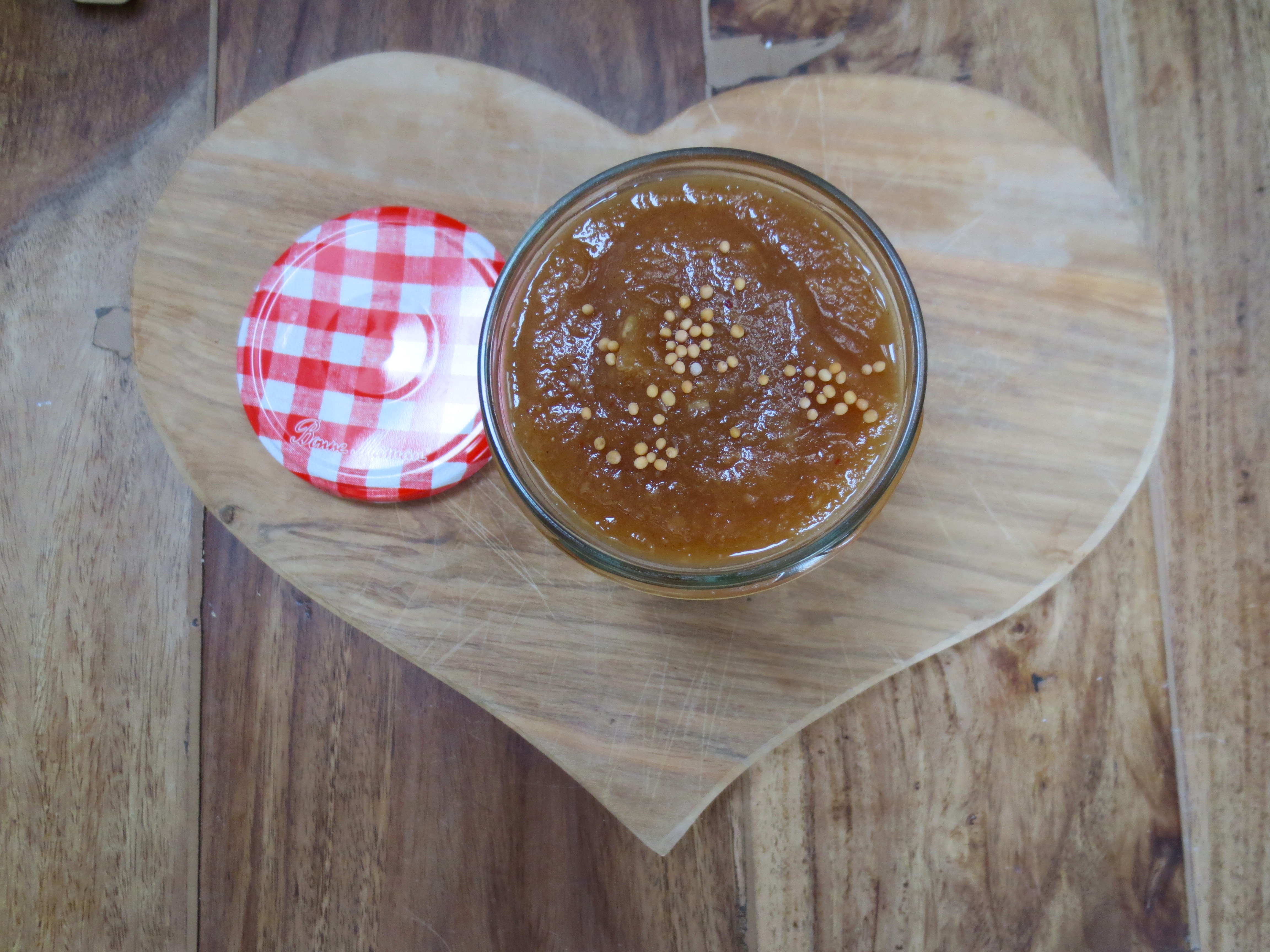
Spiced quince, apple and mustard jam

Adapted from Felicity Cloake, The Guardian

Like its cousin, the apple, quince makes a wonderful pairing with pork (think Christmas ham), but is good with any fatty meat. The sweet spices, and the warm hit, make this jam an especially good partner for cheddar or other hard cheese. English quinces are now all but over, unless you can find a few malingerers as I have here, but Cypriot and Turkish grocers, and Middle Eastern shops will have their luscious and bulbous imports, so there’s no excuse. Ginger can be used here instead of horseradish, or as well as.

500g ripe quinces (or a mixture of quinces and apples)

1 shallot, finely chopped

100ml cider vinegar

175g light muscovado sugar

5cm horseradish, peeled and finely grated (or ginger)

½ tsp cinnamon

1 tsp mustard seeds

2 tsp mustard powder

Peel the quinces, cut them into sixes, remove the cores, then roughly chop the flesh. Put the fruit in a pan and cover with cold water. Bring to a boil, reduce the heat to a simmer, and leave to cook for half an hour until soft. Drain, then mash or blitz to a pulp in a blender.

Put the quince back in the pan with the remaining ingredients, except for the mustard seeds and powder. Cook for about 20 minutes, until thick, then take off the heat and leave to cool. Stir in the seeds and mustard powder. Decant into a sterilised jar (washed with soapy water, rinsed and then put in a hot oven for ten minutes) and refrigerate.

* Originally from Possum’s Book of Practical Cats by T.S Eliot

Share this:

  • Share on X (Opens in new window) X
  • Share on Pinterest (Opens in new window) Pinterest
  • Share on Facebook (Opens in new window) Facebook
  • More
  • Share on Reddit (Opens in new window) Reddit
  • Share on LinkedIn (Opens in new window) LinkedIn
  • Share on Tumblr (Opens in new window) Tumblr
  • Print (Opens in new window) Print
  • Email a link to a friend (Opens in new window) Email
Like Loading...

Sussex apple cake

02 Wednesday Oct 2013

Posted by Sophie James in Recipe

≈ 27 Comments

Tags

Autumn, Cake, Dessert, Food, Fruit, Ingredients, Nonfiction, Recipes, Stories, Sussex

065

The sign read: “recent windfalls –  ‘cookers’  – please help yourselves”. There was another sign next to it that said ‘eaters’. Cookers and eaters – two types of apple, one sour, bulky and big-shouldered, good really for cooking, where it goes to mush, the other sweeter, smaller – one to have in the hand. Although the sweet apple wasn’t particularly sweet; sharp, dry as bark on its dappled outside, but a brisk, juicy interior. When juiced later, the froth was brown, leading to a startling pink beneath.

There was not much wind to speak of that day. The air seemed suspended, with swifts carousing through little channels above us, their wings like black darts. Actually their wings were like wings, the kind you draw as a child – two V shapes. We listed with our enormous load, my plastic pockets crammed. Blackberries now liquidized were dripping like blood down my arm. And all this before lunch, which happened at three. Rather like Christmas day, without the presents.

015

We went into a cafe which specializes in china teacups and ladies. It is very English; everyone feels undeserving. The lady next door to us was alone. She ordered tea and apple cake. It is the kind of place where you are so close to your neighbours that you need to make a decision early on about whether to include them in your life for that brief window of time. But this was unnecessary because there was a flurry of misunderstandings, panic ensued, as the apple cake was off – and then suddenly back on – the menu. Almost no apple cake – not really a story. No tragedy there. Except it gave the lovely young waitresses (gap year) a chance to flounce around a bit, and have a laugh with each other. For the lady to show off her cool and calm persona. After the apple cake arrived, and her fork had made its incision, she produced a mobile phone and began a quiet, very civilized conversation with someone unknown (probably male) on the other end. She was very organized, I could see.

This is what I don’t have in LA: the chance to watch people at such close quarters. To notice things, like a certain kind of hair-clip, a cardigan, skin tone, imagining the man on the other end of the line. Watching a thought alight on a face. And aren’t English people interesting? We are so swathed in layers, submerged in stories that become more and more intricate with the telling. I am always surprised by English people, I think that’s it.

We waited at the bus stop, next to a couple eating ice cream. They shuffled up to let us in on the bench. I watched a man opposite with his dog, a scruffy thing, his tail wagging, his tongue out, looking around and occasionally up at his master. Two horses clip-clopped by. We got on the bus, a small Noddy bus, green and miniature, our coats bulging obscenely with our apple stash. We were deposited back to Seaford. I made the cake.

107

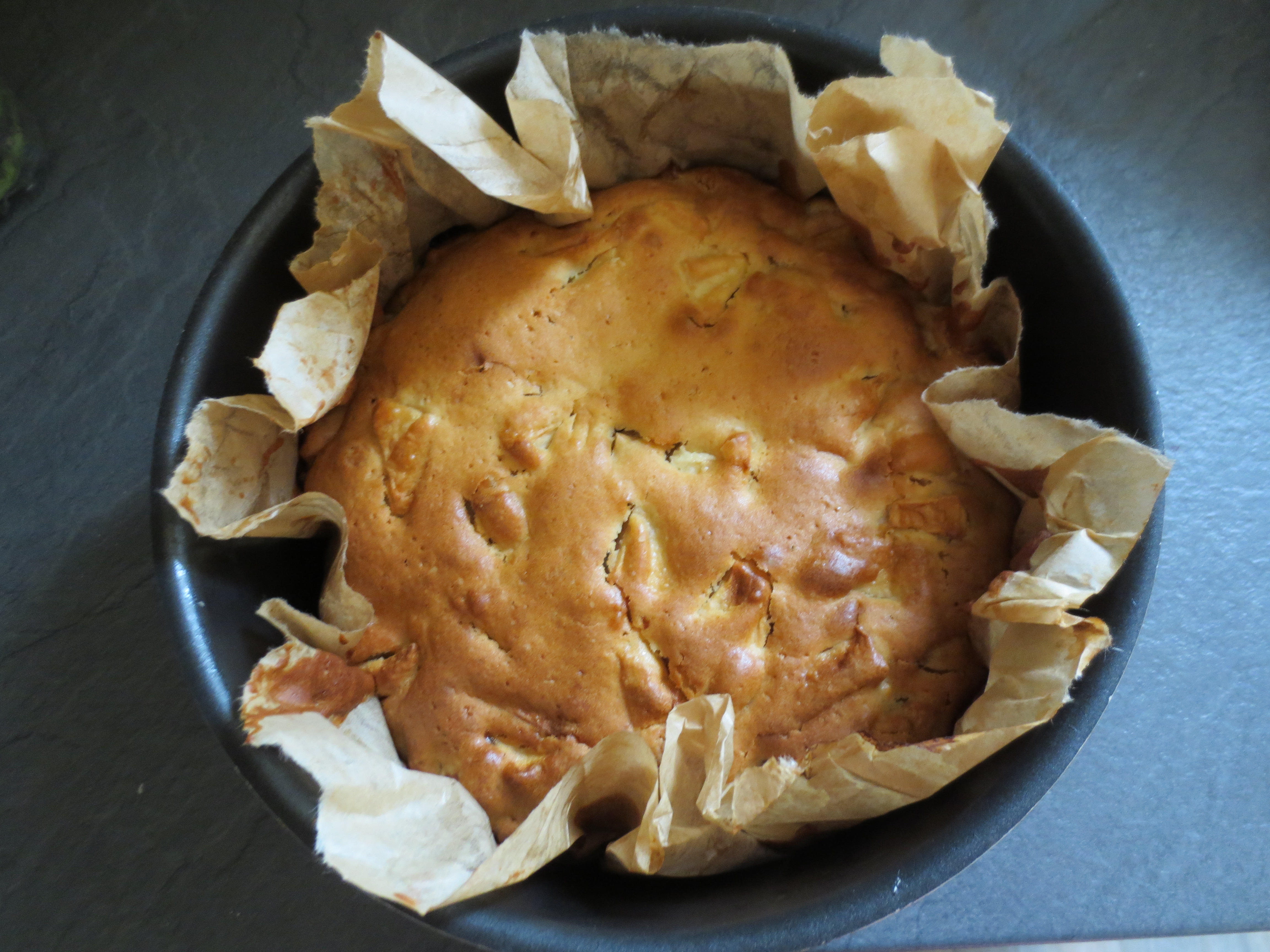
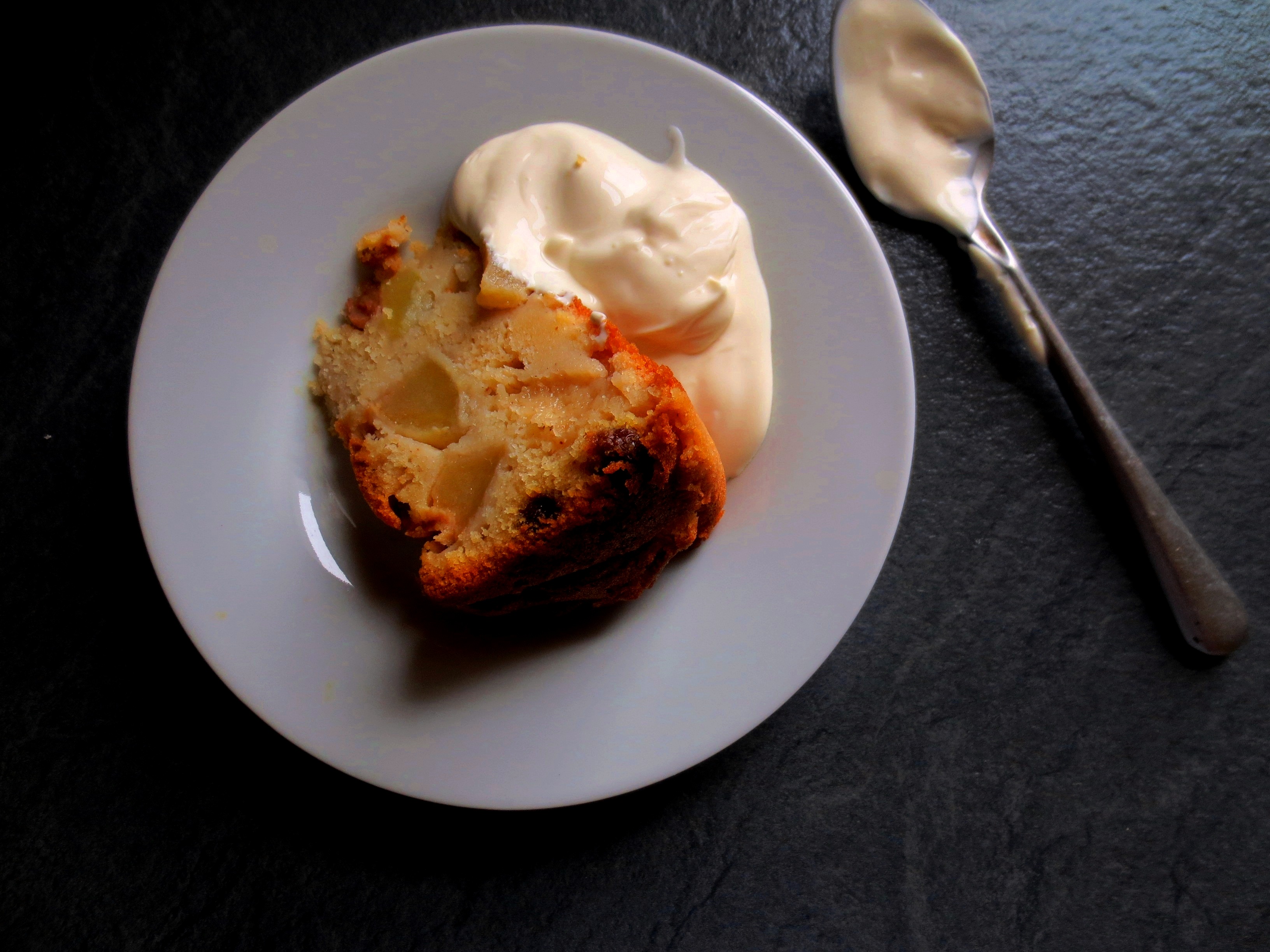
This is Mark Hix’s lovely regional apple cake made with cider and honey. In his case, the region is Somerset – mine is a Sussex story. You can use whatever local apples come your way – choose cookers, such as the Bramley, or sharp eaters at a pinch. A sweet dessert apple would be missing the point here.

Sussex apple cake

From Mark Hix, on Baking

I once ‘hilariously’ used cider vinegar instead of cider, by mistake. I thought it would destroy the cake but actually the flavours were enhanced by it, though it did make me think of fish and chips. If you’re unsure, stick to the original recipe. Also, don’t be put off by the sheer amount of apples required here. It really does make a difference. Dry apple cake isn’t fun.

Makes 1 x 24cm cake

170g unsalted butter, softened

170g soft brown sugar

3 medium eggs, room temperature, lightly beaten

1 heaped tbs of honey

240g self-raising flour, sifted

1 tsp mixed spice

600-700g cooking apples, peeled, cored and cut into smallish chunks

80ml cider

Prepare a loose-bottomed 24cm x 6-8cm deep cake tin by greasing it if it’s non-stick, or lining the base with buttered greaseproof paper if not. Pre-heat the oven to 160C/320F. Cream the butter and sugar together in a bowl until light and fluffy. Gradually beat in the eggs with the honey. Gently fold in the flour and mixed spice then stir in the cider and apples. Transfer to the cake tin and bake for 1 and a 1/4 hours, or until a skewer inserted into the centre comes our clean. Cool in the tin; serve warm on its own or with thick cream. Clotted cream would be stupendous here.

037

Other apple recipes to try:

Apple and rosemary cake

Lucas’s apple and sultana cake

Apple fritters

Hedgerow crumble

Share this:

  • Share on X (Opens in new window) X
  • Share on Pinterest (Opens in new window) Pinterest
  • Share on Facebook (Opens in new window) Facebook
  • More
  • Share on Reddit (Opens in new window) Reddit
  • Share on LinkedIn (Opens in new window) LinkedIn
  • Share on Tumblr (Opens in new window) Tumblr
  • Print (Opens in new window) Print
  • Email a link to a friend (Opens in new window) Email
Like Loading...

Rum & Raisin

23 Monday Sep 2013

Posted by Sophie James in Recipe

≈ 15 Comments

Tags

Alcohol, Autumn, Dessert, Food, Fruit, Ice cream, Ingredients, Recipes, Stories, Travel

IMG_0352

The last of the bewildering hot weather. Nights where one cotton sheet feels like being shrouded in carpet. Talking alone brings on the vapours, sweat beading on our foreheads as we nod sagely at someone we’re not listening to. Everyone drives like Vin Diesel, ramping up the volume on their car stereos, burning rubber as they overtake me on blind corners, tyres squealing like guinea pigs. And all I can think is how rude they’re being. That’s my version of a riot. Because I can’t complain. Because I’m English, and that’s all we do, while saying that we can’t do it. “I can’t complain” is our watchword. And I have been drawn to this detail of Englishness recently, perhaps because it’s so absent in LA.

Our English guests never complain either. We dance around each other in pained politeness. It must be akin to observing some ancient ritual – like conversational Morris dancing  – with no one able to say exactly what the problem is, or even if there is a problem. “Do you have a parrot?” our English guest asked me today. “Er, no. Why?” “No, no, it’s fine. I just thought I heard a parrot at around five o’clock this morning.” I knew what it was because it had woken us too. “It was a coyote.” “Really?” “Yes, they live in the hills here and when they’ve killed a deer, they make a kind of ‘yipping’ sound. They do it with car alarms and fire engines as well.” “Oh right.” We all imagined a decapitated deer. “Great, well, see you around then! Thanks for breakfast.” “Don’t worry, it’s really safe here. They very rarely come down into the complex.” As I said this I remembered the coyote in the hallway and the mountain lion up by the tennis courts. They tranquillized it and carried it off somewhere. I wish I’d just said: “Yes, we have a parrot. We’ll kill it for you.”

I can’t imagine this conversation between Americans. I still don’t know what it was really about, but I felt in strange harmony with it. I’m leaving soon for England and it helped me get into the rhythm of things again. It was nice to talk to someone from Eastbourne, knowing that in a few days I will be walking the Downs, talking about the weather, bemoaning the end of summer, arms folded against the wind.

IMG_0357

I would be happy if there were only five flavours of ice cream in the world: vanilla, chocolate, hazelnut, pistachio and rum & raisin. And raspberry ripple as a bonus flavour (for nostalgia purposes). But no cookie dough, rocky road or banoffee pie. And ‘sugar free’ vanilla – what’s that? Rum and raisin is a classic, and much underrated in my opinion. I know there are people who don’t like alcohol in sweets, but we will forge ahead regardless.

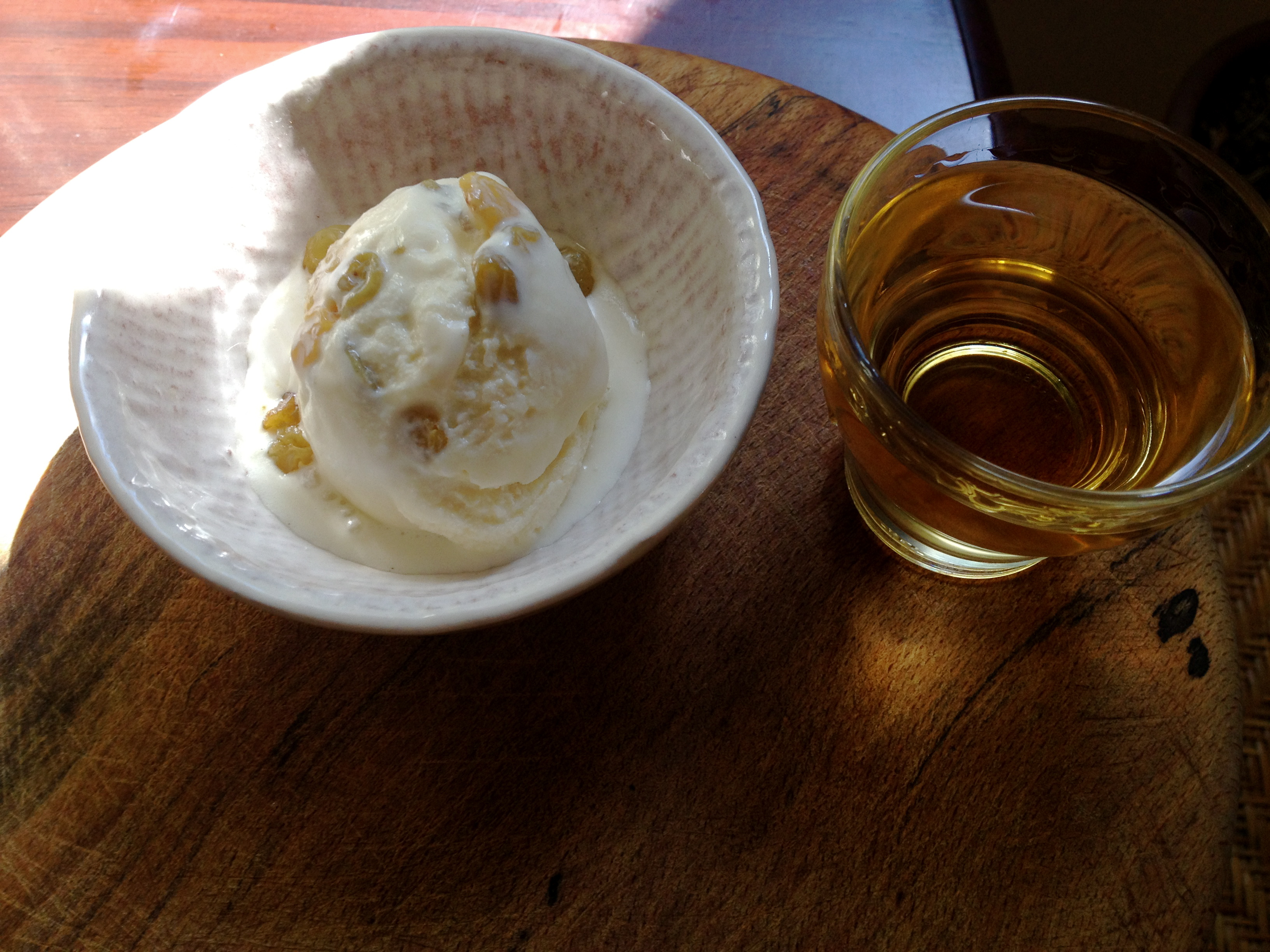
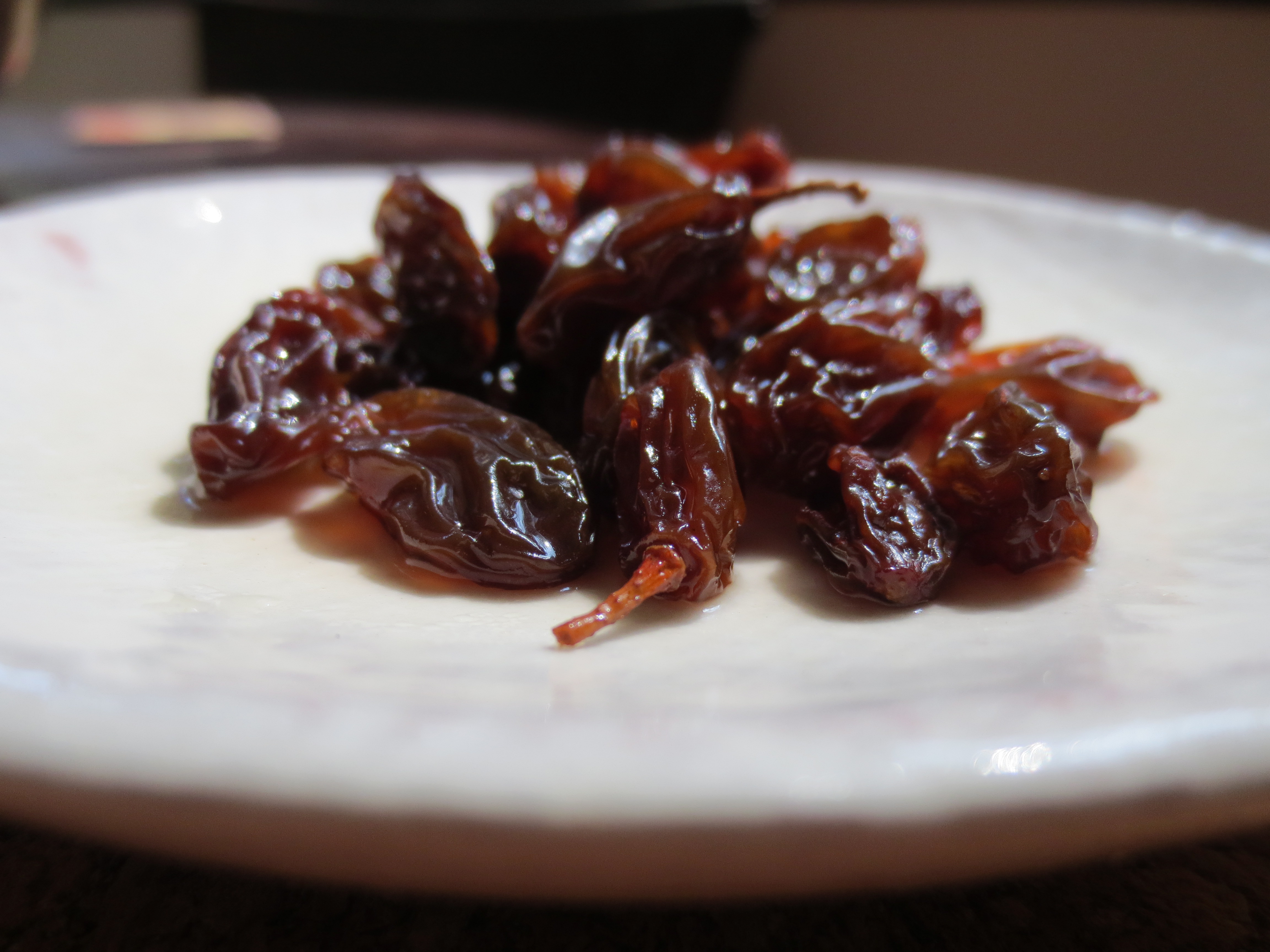
And this ice cream also lends itself to subtle doctoring: round and treacly Flame raisins, seeded Muscat raisins (sticky and crunchy and used traditionally in old bread recipes), meaty, soft, pale gold raisins (above) and Thompson seedless down below, still with their tails on, drowned in a saucer of rum – they are all so Californian, dried from the grape by our endless sun, and yet weirdly invisible, except for a few market stalls with their lumpen quarry. But I never gravitate there. Does one ever crave a raisin? But plumped up juicily in some searing alcohol and it’s quite a different matter. You could substitute the rum for sherry, if you like, and go for Pedro Ximénez if it’s available. This is a very ‘raisiny’ sherry, treacly and intense and good for a grown up ice cream such as this.

IMG_0866

Rum & Raisin Ice Cream

Adapted from Ice Cream! by Pippa Cuthbert & Lindsay Cameron Wilson

The soft brown sugar creates a darker, more complex flavour, but you can use caster sugar instead if you like. Sherry works well in place of rum.

100g (¾ cup) raisins

100ml (½ cup) dark rum or sherry

300ml (1¼ cups) whole milk

4 large egg yolks

100g (¾ cup) soft brown sugar

200ml (scant 1 cup) heavy/double cream

Put the raisins and 75ml (¼ cup) of the rum or sherry in a bowl and set aside to soak overnight or until the raisins have absorbed almost all the liquid.

Heat the milk and cream in a heavy-bottomed saucepan to near-boiling point, then remove from the heat. Beat the egg yolks and sugar together, using an electric whisk, until thick and pale. Loosen the egg with some of the milk/cream mixture, then pour the eggs and sugar back into the saucepan. Stir well to mix everything properly and then return to a low heat. Stir until the mixture is thick enough to coat the back of a wooden spoon. Remove from the heat, pour into a bowl and place over iced water to cool. You will need to stir it from time to time to avoid the custard developing a skin.

When the mixture is completely cold, churn in an ice cream maker, adding the remaining rum/sherry and all the raisins towards the end of churning. The raisins have a tendency to sink to the bottom before the ice cream can harden and suspend them, so you may want to give it a stir after half an hour or so in the freezer to distribute the raisins more evenly. Serve with a glass of either rum or sherry, or just pour it straight over the ice cream.

Other recipes with raisins:

Banana and raisin bread

Sticky toffee pudding

Share this:

  • Share on X (Opens in new window) X
  • Share on Pinterest (Opens in new window) Pinterest
  • Share on Facebook (Opens in new window) Facebook
  • More
  • Share on Reddit (Opens in new window) Reddit
  • Share on LinkedIn (Opens in new window) LinkedIn
  • Share on Tumblr (Opens in new window) Tumblr
  • Print (Opens in new window) Print
  • Email a link to a friend (Opens in new window) Email
Like Loading...

Time off

02 Friday Aug 2013

Posted by Sophie James in Not food

≈ 15 Comments

Tags

Food, Reflection, Seasons, Summer, Taking a break

IMG_3264

I’ve decided to take a break from blogging for a little while. Although there are plenty of things to write about, I’m finding it hard to write about them. Sometimes when the words won’t come, you can either force them out or have a rest. This is not very journalistic of me, I admit, and perhaps it’s undisciplined, but I’m interested to see what happens if I stop for a while.

I leave you with peaches, to show what’s been around. Here’s what is in store for us in the coming weeks: purple figs, garlic flowers pungent when crushed, pathways of golden grass, burgundy plums and green pluots to name just a few. Please dip back into the archives and enjoy the stories and recipes – there are many, and I hope they’ll give you pleasure. On a more frivolous note, in the words of E.F Benson and his 1930s ladies, Mapp and Lucia (who did very little else but lunch), this is not goodbye, but “au reservoir”. Enjoy your August.IMG_2608

Share this:

  • Share on X (Opens in new window) X
  • Share on Pinterest (Opens in new window) Pinterest
  • Share on Facebook (Opens in new window) Facebook
  • More
  • Share on Reddit (Opens in new window) Reddit
  • Share on LinkedIn (Opens in new window) LinkedIn
  • Share on Tumblr (Opens in new window) Tumblr
  • Print (Opens in new window) Print
  • Email a link to a friend (Opens in new window) Email
Like Loading...

Battered Blossoms

24 Wednesday Jul 2013

Posted by Sophie James in Recipe

≈ 17 Comments

Tags

Cooking, Food, Ingredients, Italy, Marcella Hazan, Patience Gray, Recipes, Rome, Stories, Summer

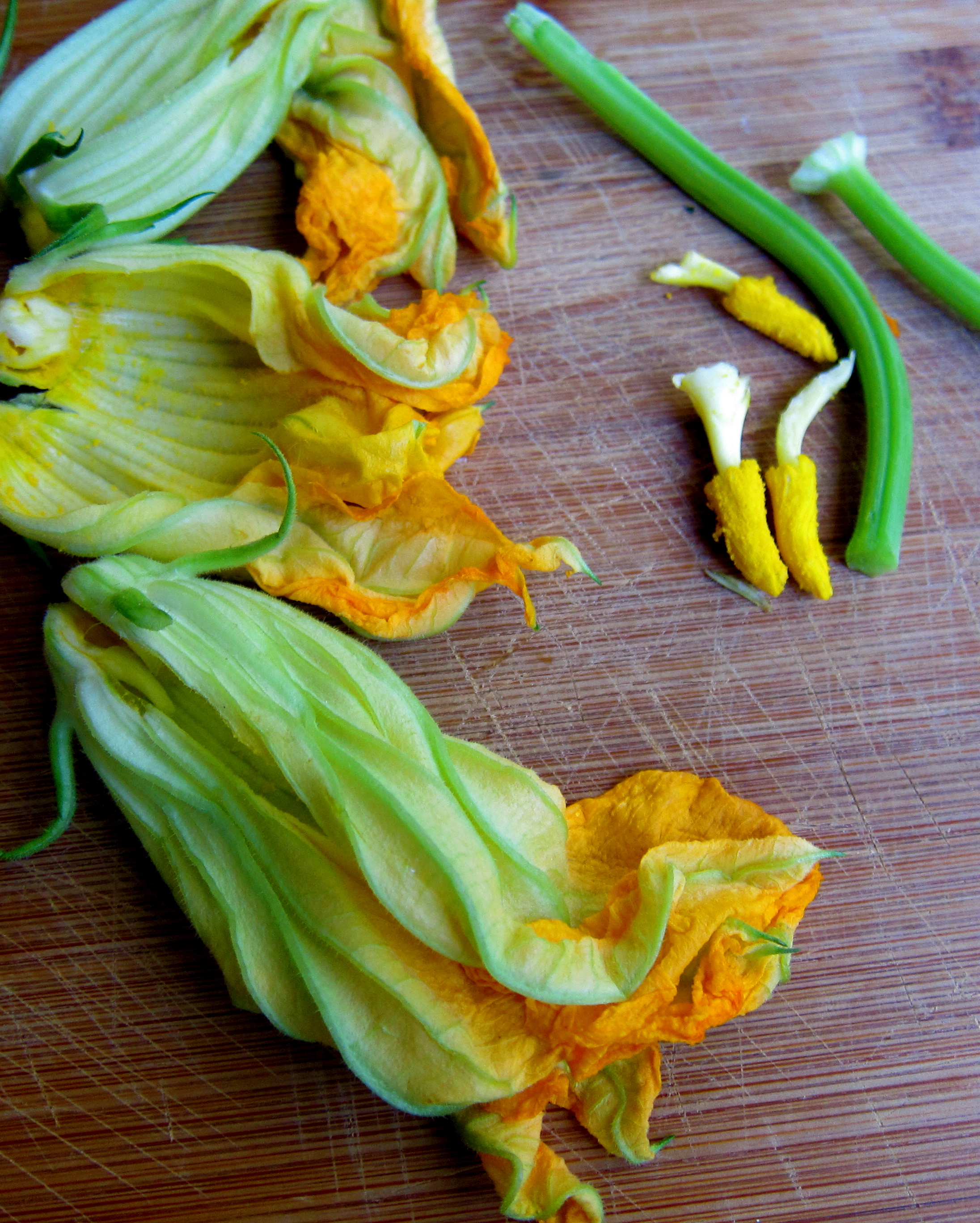
IMG_3138

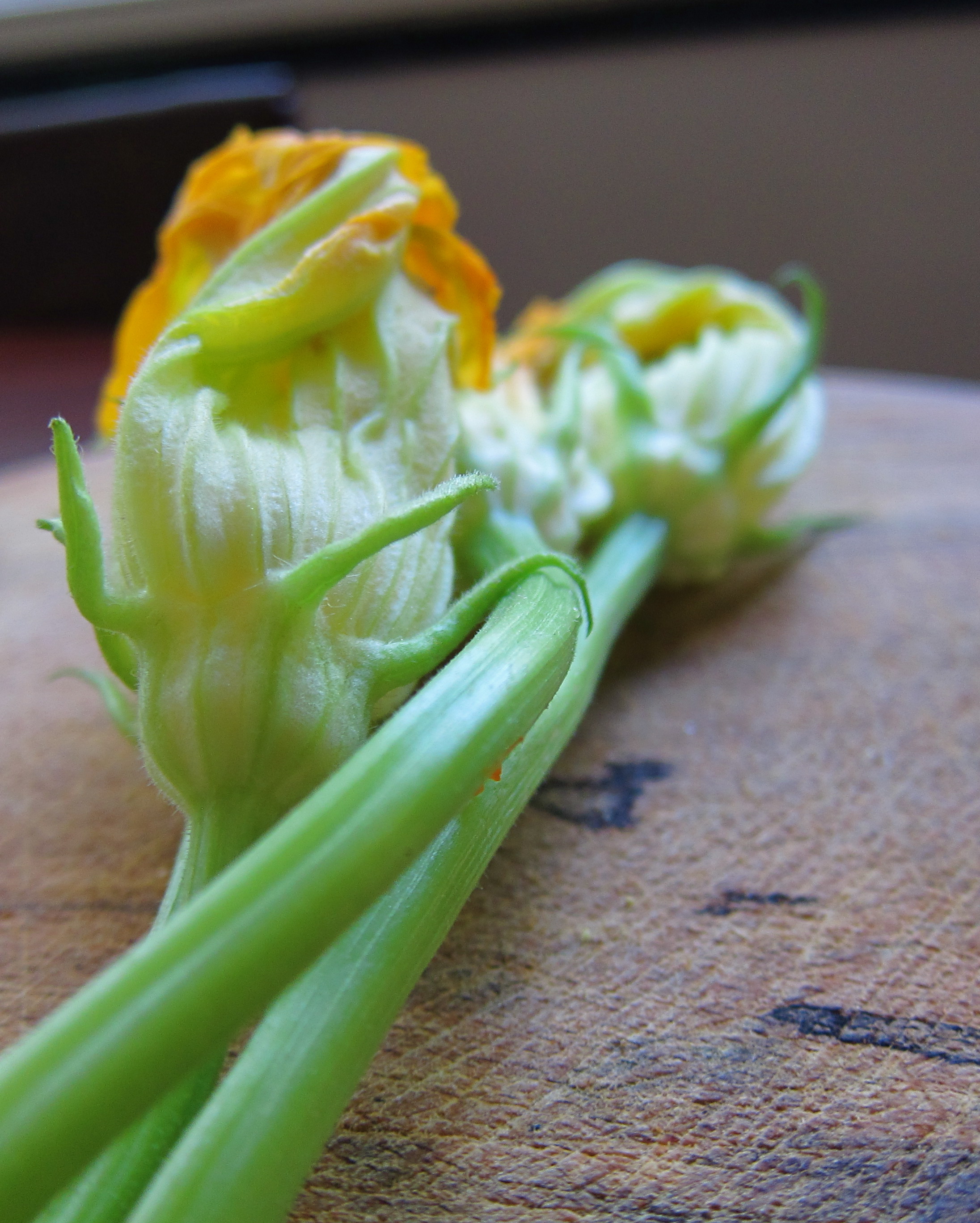
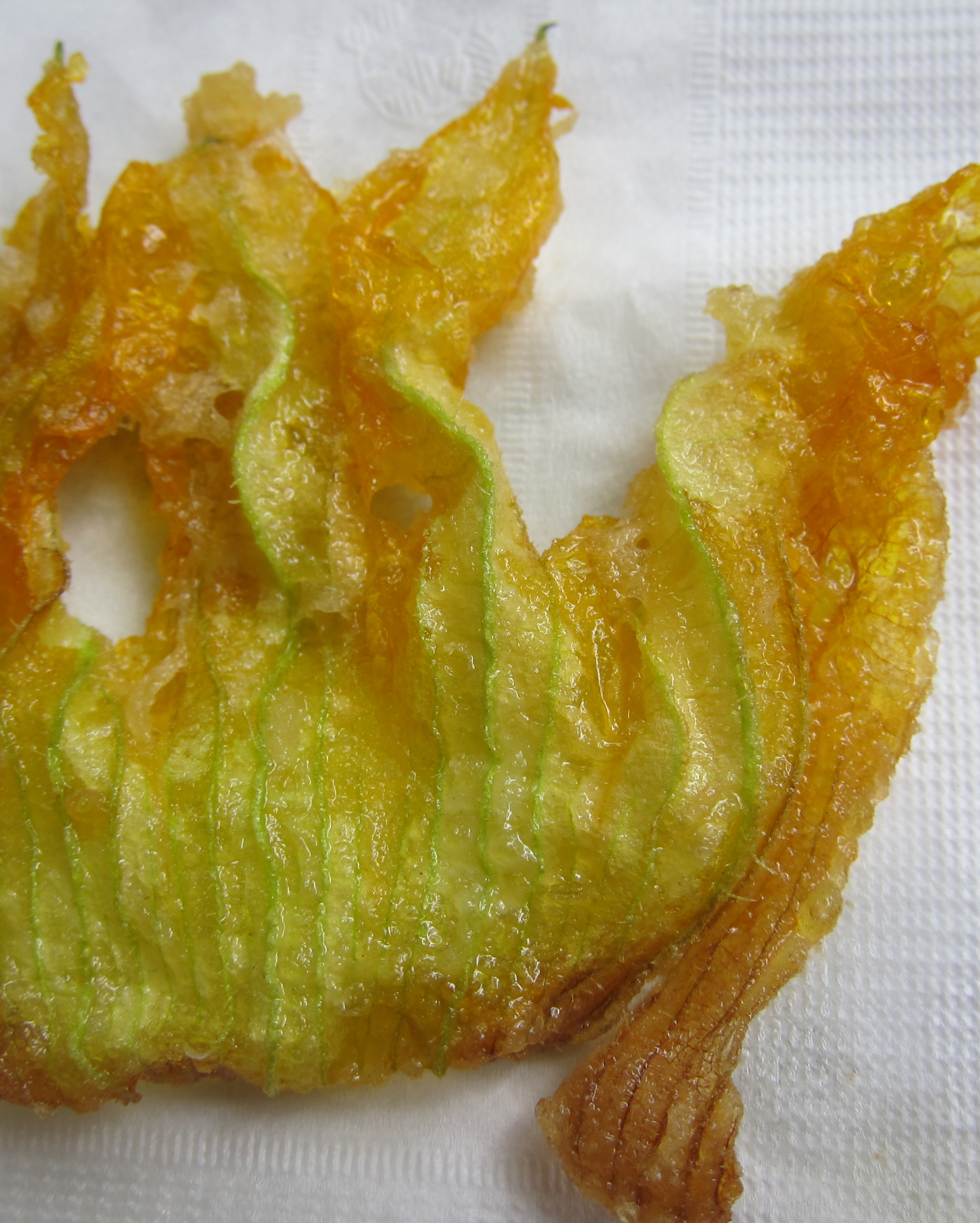
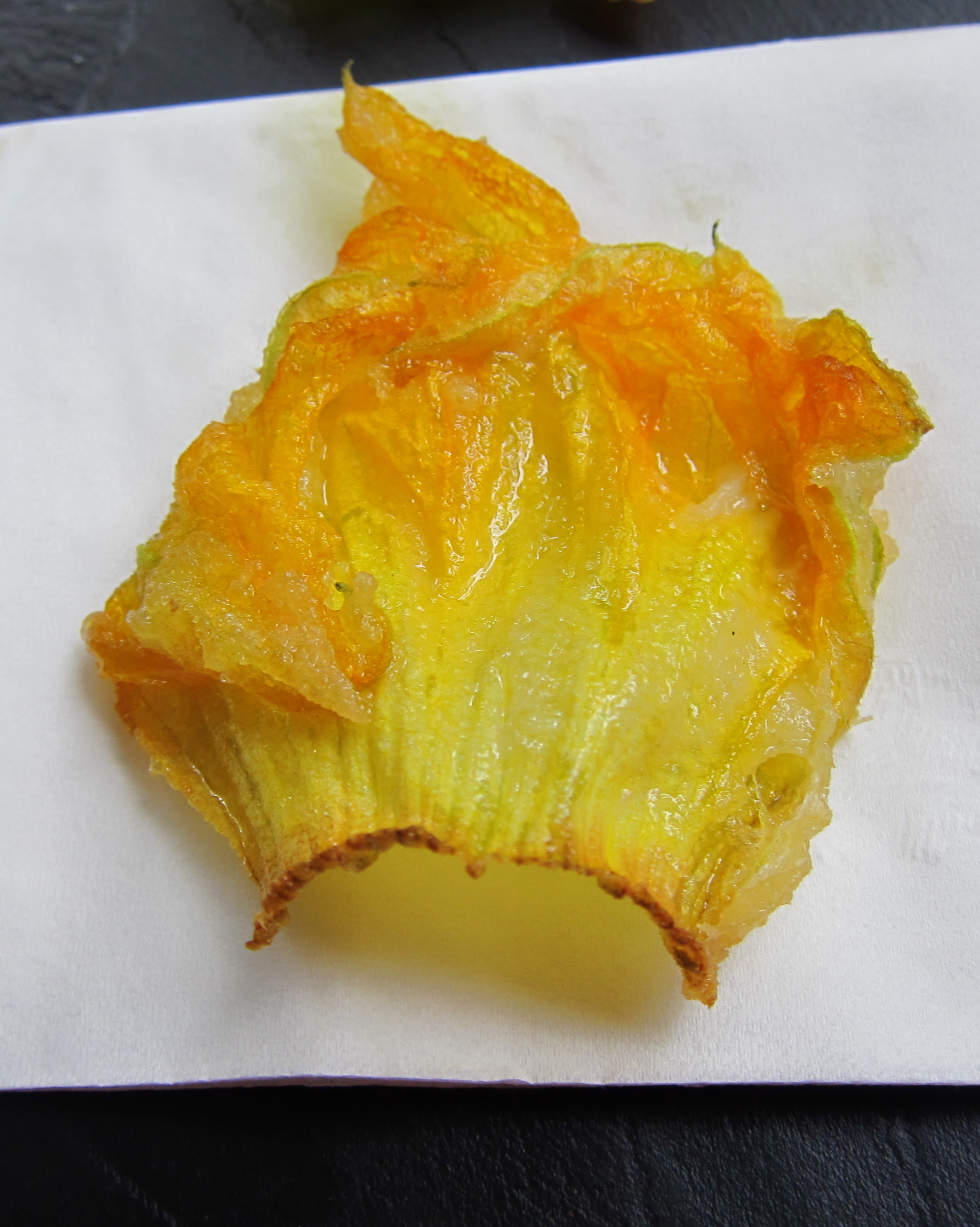
I just think these are lovely. Lovely looking, creamy, blossomy, with echoes of the courgette itself. A welter of these, piled high on a plate, having been plunged and fried in batter is the way. And eaten alone. That’s how I remember them when I lived in Rome as a student. This was the early nineties and even my pajamas had shoulder pads. Everyone had a cleavage and shoals of men followed me (and every other young woman in the area) home, loitered and then dispersed to find other prey. I remember these blossoms in their crisp casings were handy at parties – you could walk around with one, and a napkin would quickly blot up any lingering grease. Either that or it could double as lip gloss.

Everyone of my age in Italy lived at home and remained there in their childhood bedrooms doted on by housekeepers until they found someone to marry. No one left home to go to university, except I was at the university of Rome and needed a place to stay, so I lived in the garden flat of an Italian family in Parioli, a swish, hilly enclave.

The flat was actually a garage with a bed in it and a small toilet. I remember a window but not much light entered the place and I often woke up at midday or even later, muddled and confused and late for class. I taught English as a foreign language on the side, but this was tricky if still asleep. The dampness and general humidity both in the flat and in Rome in deep summer gave me what is known commonly as il colpo della strega (translated as ‘the witch’s blow’), a lower back paralysis eased almost immediately by plunging into a hot bath.

I remember stepping over Marcello Mastroianni who was sitting on my doorstep, having a break from filming, and thinking that I should probably stop and say something, but I was more concerned about getting to the bakery in time to get my bread rolls. Mantovani rolls were thinly crusty on the outside with a warm belly of bread beneath; they were sweet and soft, and I would often walk along eating them bare from their paper bag – they needed absolutely no accompaniment. The same applies to these battered blossoms. Eat them bare, preferably walking, and find a skyline or seascape to stare at, or even a wall, and feel their grassy tentacles dissolve on your tongue. Actually, some soft airy bread might work alongside: ungreased and ripped open with savage fingers.

IMG_3122

Though these flowers look fragile and papery, they are in fact rich, and a few can make you feel quite woozy. The idea of the batter, known in Italian as la pastella, is to do justice to the delicacy and brightness of the flavour, and so the cleanest, plainest sort is required. I used only flour and water, and a pinch of salt.

If you want an upgrade, you could follow Patience Gray’s instruction in Honey from a Weed, and add an egg yolk, a tablespoon of grappa and just enough water to the flour to make ‘not too liquid a batter’. The egg white is also incorporated just before making the plunge. I have never got to this recipe, because I have found the original batter to be exactly as it should be. You could use elderflowers instead of the courgette blossoms.

IMG_3226

Courgette blossoms fried in batter

Adapted from Marcella Hazan, The Classic Italian Cookbook

12-14 courgette blossoms

Vegetable oil, enough to come 18mm (¾ inch) up the sides of a frying pan/skillet

Flour-and-water batter ( see below)

Sea salt

Put 250ml (scant ½ pint) of water in a bowl and sift 80g (2¾ oz) of plain flour over it, beating all the while. By the end, the batter will have the consistency of double/heavy cream. Leave to rest while you get on with the courgette blossoms.

Wash the blossoms quickly and tenderly under cold running water and dry them gently on kitchen paper (this is not essential if you know where they’ve been). Snip off the stem and the little hook-like leaves at the base of the blossom. Slit the blossom open on one side (imagine you’re reading a book) without dividing it. Remove the little orange bulb within, otherwise known as the pistil.

Heat the oil over a high heat. When it is very hot (drip the minutest drop of batter into the hot oil and see it shrivel up instantly to gauge readiness) dip the blossoms quickly in and out of the batter and slip them into the frying pan. It is important to get the blossoms as open and as flat as possible, otherwise clumps of uncooked batter get secreted in the grooves. When they are golden brown on one side flip them over to cook on the other side. Transfer to kitchen paper to drain, sprinkle with sea salt and eat quickly, while still hot and crisp.

Share this:

  • Share on X (Opens in new window) X
  • Share on Pinterest (Opens in new window) Pinterest
  • Share on Facebook (Opens in new window) Facebook
  • More
  • Share on Reddit (Opens in new window) Reddit
  • Share on LinkedIn (Opens in new window) LinkedIn
  • Share on Tumblr (Opens in new window) Tumblr
  • Print (Opens in new window) Print
  • Email a link to a friend (Opens in new window) Email
Like Loading...

A field of fennel

17 Monday Jun 2013

Posted by Sophie James in Recipe

≈ 21 Comments

Tags

Cookbook, Food, Herbs, Ingredients, Italy, Los Angeles, Recipes, Stories, Walking

IMG_2842

A couple of days ago I went for a walk in Lake Hollywood, my usual amble in the morning. It is a flat, paved trail that loops round the lake – not actually a lake at all but a reservoir surrounded by a forbidding high wire fence – and was prepared to be unamazed by it. There have been a few interesting sightings in the past (Mila and Ashton swanning past, Valene from Knots Landing ‘jogging,’ an eagle having a bath), but I was not in the mood. I wanted to walk until my legs ached, with my head down.

There was no sun to speak of, but a heavy haze, and the occasional patch of vague brightness trying to push through. Two ducks sat in the muck, pecking at some iridescent greenery. After a while, one stopped pecking and just stood there. Come on, you’ve had your fun, it seemed to say. So I moved on. I sat on a grassy bank to rest my legs for a bit and watched a family of coyotes tumble down the side of the hill, stopping to bite each other’s ears and roll around. They appeared one at a time, looked up and down the trail, and loped across to a hole in the fence, slipping through to the other side where the water was.

Up ahead there was a hole for me too, an unusual clearing where normally there is a closed gate. I walked through and up the hill and was surrounded by an oasis of wild flowers, bees, butterflies and wild fennel. I sat down on a stone mound.

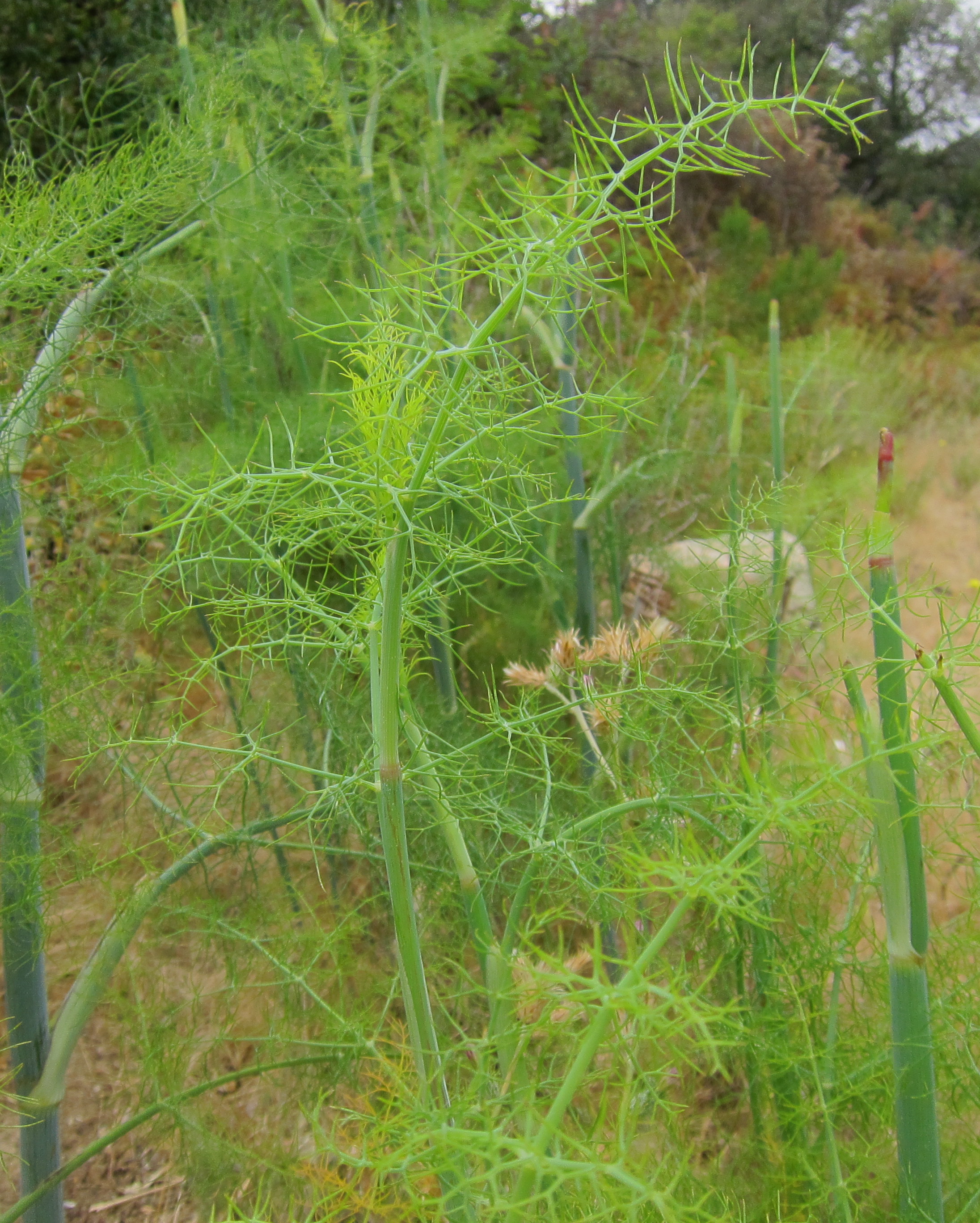
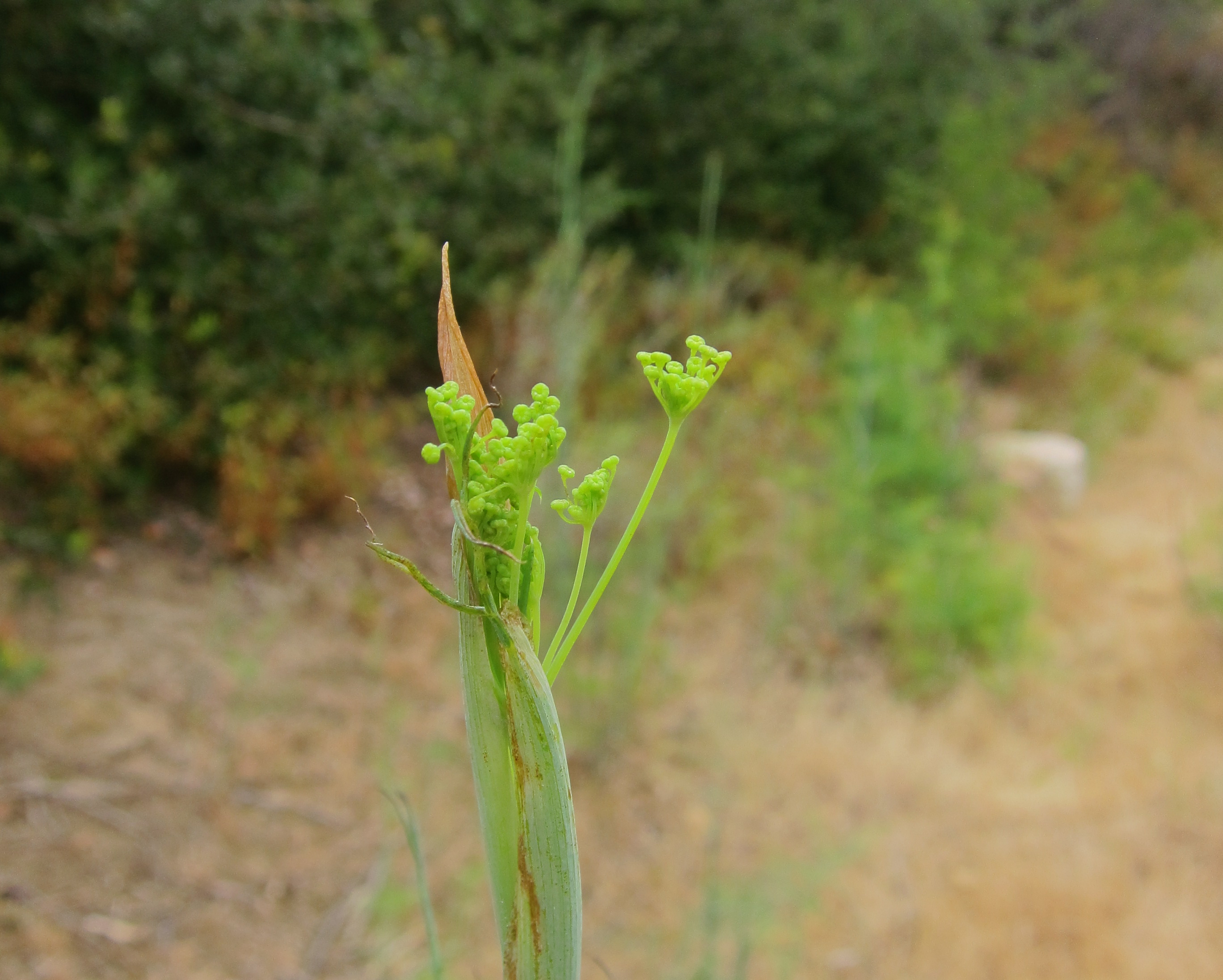
Wild fennel is difficult to photograph. From afar it is just a sea of green feathers, a strange network of tentacles, a web. Up close it is too fine and long and wavy. You can never get it all in. So in the end I rolled a few in my hand and took in the smell. I was expecting licorice, the tarry, sticky sweets from childhood, but not lemon, rubber, grass, aniseed, hay, manure, mint, cough mixture and ferns.

Even as I walked past, this strange concoction spilled out. Wild fennel is a herb (or edible weed depending on who you read), and grows abundantly around the Mediterranean, and in Mediterranean climates such as southern California. It is easily confused with fennel the bulb, which has the same curly fronds up top, but is used principally for the fresh, clean chunkiness of its base. The herb, all frilly leaf, is used a lot in southern Italian cooking, particularly Sicilian, where they like to stuff the finocchio selvatico in their sardines, and the seeds in their sausages.

Umbel beginnings

Umbel beginnings

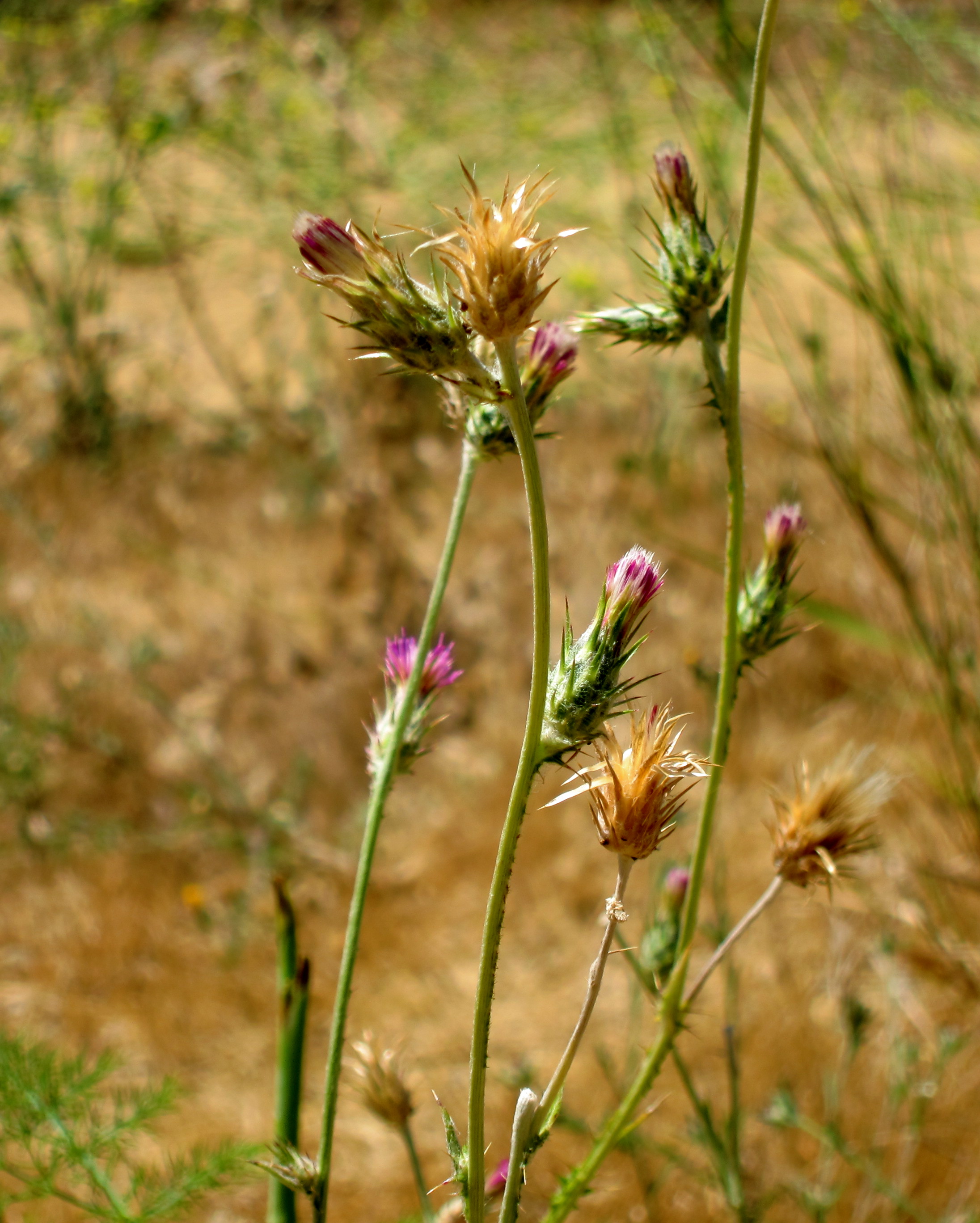
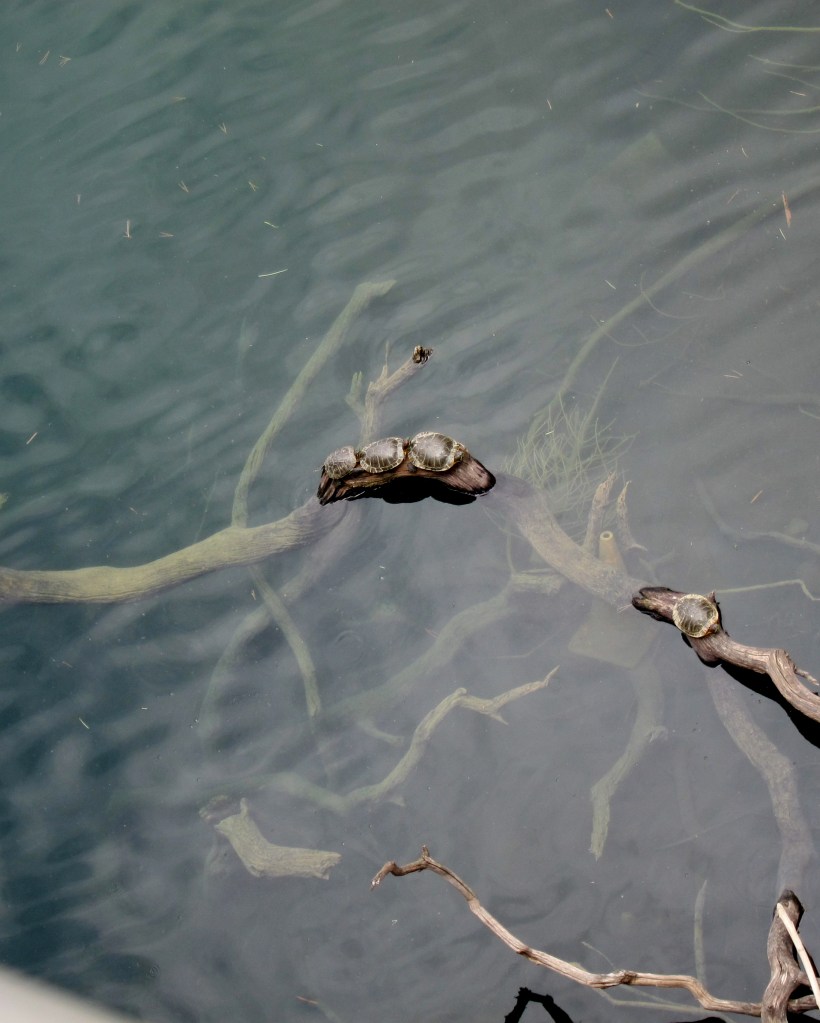
It felt like a real find, this place. There was no one else around, and though I could hear the voices of walkers on the main path, I was hidden from view. It is an economical landscape, because it is so dry. Looking only for lushness, meadows, and nodding snowdrops – Englishness – it’s easy to miss everything else. This field was gold, the dull, dry gold of old grass. Everything was matted, tufted and coarse with occasional bolts of bright colour from thistles. I had to give up the decision to be unmoved. The sun finally came out and I went and sat on the bridge and watched the turtles sunbathing at the lake’s edge.

IMG_2773

Fennel grows often in the most unprepossessing places: wastelands, car parks and even in the street. It propagates like mad, and is considered something of a pest here and a fire hazard. Don’t pick it where there is a good chance a dog (or person) has peed on it. The spring and early summer is when you get the fresh green shoots, the wavy fronds, that are used for stuffing into fish and strewing over fava beans and ricotta, risotto, and as a base for pesto.

The simplest treatment is to boil them until tender and serve with olive oil and lemon juice. The autumn is when you get the seeds. This is when the fronds die back and you get the dried, burnt-looking stalks. However mangled they look, the plants will be full of seed clusters. They look like little umbrellas (hence the name Umbelliferae, the family to which fennel belongs). You can pick off  the ‘umbels’, separate the seeds from the pods and dry them. They last forever.

IMG_2662

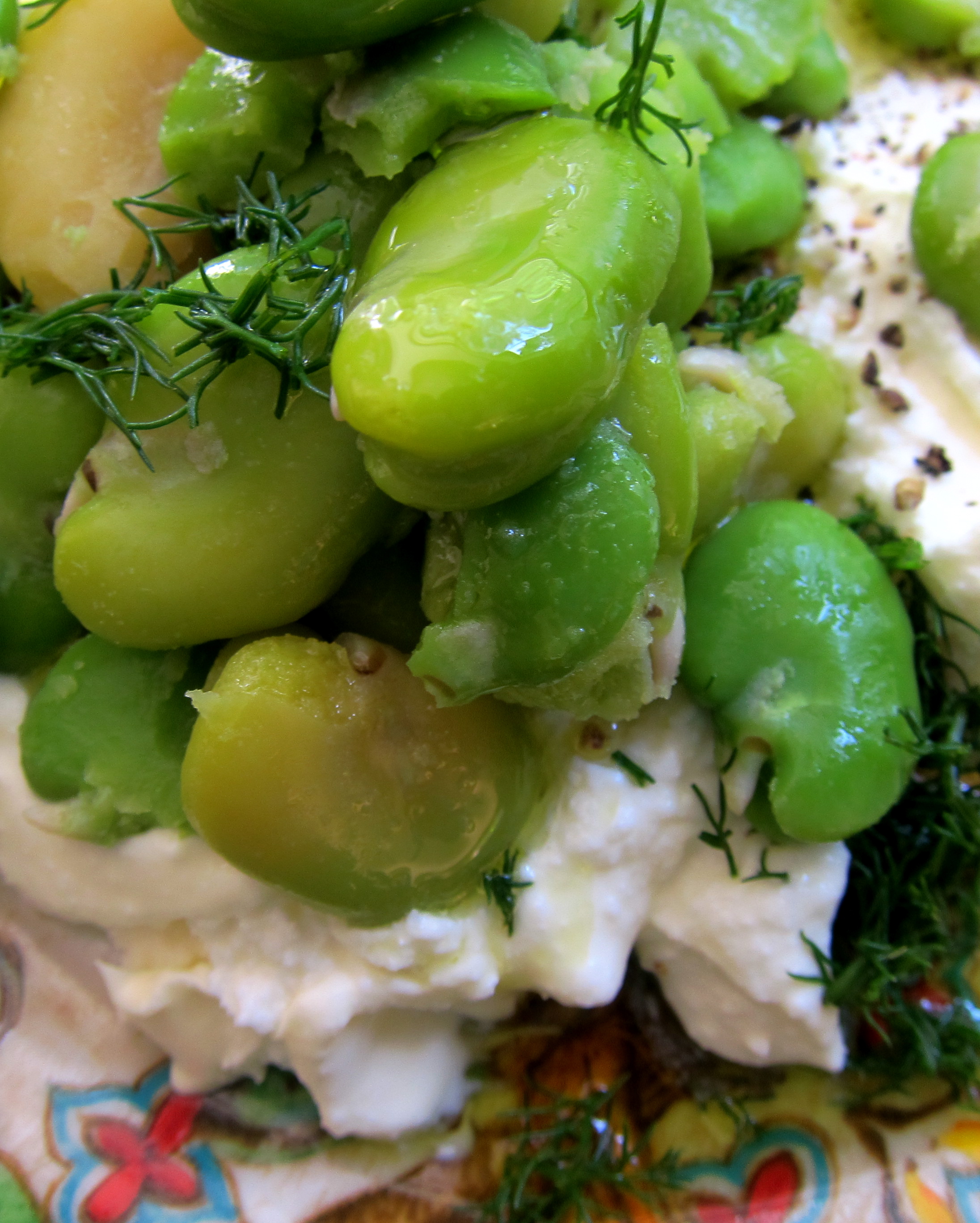
After eating fennel pretty exhaustively all week, this recipe makes the most sense to me, gustatorially (I’m not sure that’s a word). It’s a classic pairing of fava beans (broad beans in England) and ricotta with wild fennel fronds. Use the bushy stalks of bulb fennel in its place, or some mint, or whatever takes your fancy. You could use peas as well as, or instead of, fava beans.

Fava beans, ricotta and wild fennel

Adapted from Matthew Fort, Sweet Honey, Bitter Lemons

Serves 4

1 small onion

1 bunch of wild fennel

4 big handfuls of fava beans

Olive oil

Salt and pepper

Ricotta or feta

When fava beans are older, husk them and pinch off their skins to reveal the bright green pods beneath – boiling them for 3 minutes will help shuck off their coats, if need be. Heat a glug of olive oil in a pan. Slice the onion finely and chop the fennel into small bits. Wilt them for a couple of minutes and then add the beans. Cook very gently for about 15 minutes. Add a little water if the beans are drying out before becoming tender. Serve with ricotta, or feta if you prefer a bit of salty sharpness. This is lovely served alongside some prosciutto crudo. 

Share this:

  • Share on X (Opens in new window) X
  • Share on Pinterest (Opens in new window) Pinterest
  • Share on Facebook (Opens in new window) Facebook
  • More
  • Share on Reddit (Opens in new window) Reddit
  • Share on LinkedIn (Opens in new window) LinkedIn
  • Share on Tumblr (Opens in new window) Tumblr
  • Print (Opens in new window) Print
  • Email a link to a friend (Opens in new window) Email
Like Loading...

Lemon, almond, olive oil cake

14 Tuesday May 2013

Posted by Sophie James in Recipe

≈ 11 Comments

Tags

Almonds, Baking, Cake, Dessert, Food, Gluten-free, Ingredients, Lemons, Meyer lemons, Recipes

IMG_2421

These are no ordinary lemons. They are Meyer lemons, big and blowsy, a deep yellowy-orange, the colour of fresh egg yolk. The smell and feel are both quite different to the pocked and gnarly Eureka, say: smoother, sweeter, riper, heavier in the hand. They are poreless, and at times almost round, and their leaves are dark and glossy. And they came from our friends’ garden. Before we got to the lemon tree, I was taken on a tour by their eight-year-old daughter, who picked me a posy of clover to eat (peppery) and we examined the orange tree we had given them as a present, which was actually two trees grafted on to one root. Their avocado tree was huge with leaves like big, green jazz hands. There were no more avocados though, so we stood and admired the foliage.

The lemon tree was matted with cobwebs. There was a birdhouse that hung from one of the branches which looked as though it had its own hammock, so cleverly had the house been divided by the spider’s yarn. When we brought the lemons home and lifted them out, spiders skittered over the surfaces of the fruit, unmoored. I liked the way that parts of the tree were still attached; bits of branch, leaves sprouting, as if the fruit was still in the throes of living.

IMG_2396

We are back to the stagnant heat again. All this week there will be nothing to break the seal. The air is utterly still where we are, and at night one feels cloaked in it. The only place to be is the coast where there is a sea mist and a breeze.  Inland we are engulfed; like characters from a Tennessee Williams play, we are bathed in a halo of glowing sweat. It seems the next logical step is a silk negligee and a bottle of scotch.

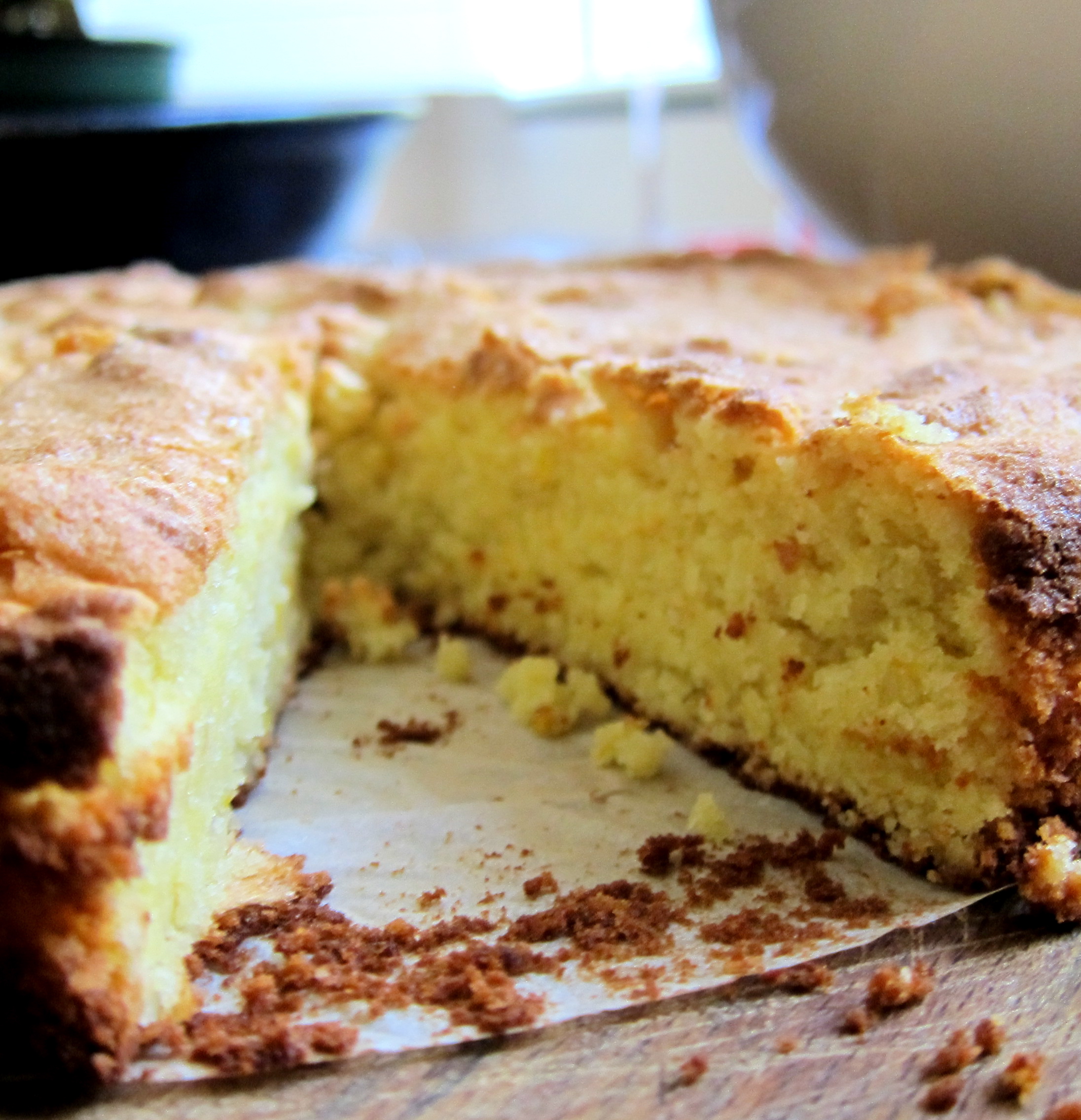
Although it may seem strange, being in the kitchen at times like this is actually a reprieve. Inside is cooler. Of course, if you have a glut of lemons, making lemonade would be perfect on days like these: a jug filled with ice and mint, frothing with syrupy lemon fizz. But this is a light cake and goes well with fresh seasonal fruit (the first apricots are in). I wanted to do something sufficiently involving and I liked the processes involved. I have made this flourless; it gives it a lovely dampness and it goes down beautifully. (In fact I wanted to call this post Rising Damp because the memory made me smile but I couldn’t fit it all in).

I blanched, roasted and ground the almonds myself – it makes a difference if you like uneven nuttiness in a cake, which I profess I do. It doesn’t rise and fall quite as dramatically as other ‘broken’ cakes I have featured, such as the chocolate marmalade slump cake and the bitter chocolate olive oil cake but it has the same softly flattened character.

IMG_2413

Lemon, almond, olive oil cake

Adapted (almost beyond recognition) from Pastry Studio

I am quite hardcore here about the almond preparation but using a packet of already ground almonds is totally acceptable. Give them a gentle toast in a frying pan beforehand to release flavour. If you are using regular lemons, the cake will generally be sharper and taste more lemony.

Serves 8

5 free range eggs, separated

150g (5½ oz) sugar, divided

175ml (6 fl oz) extra virgin olive oil

Juice of 1 lemon

Finely grated zest of 2 lemons

175g (6 oz) blanched, toasted and ground almonds

½ tsp salt

1 tbs sugar, for the top of the cake

Preheat the oven to 350F/180C. Lightly grease a 23cm (9in) cake tin with olive oil and line with parchment.

Beat the yolks and just under half of the sugar until thick and pale. Reduce the whisk to medium speed and drizzle in the olive oil. Then add the lemon juice and zest. The mixture may look a bit sloppy. Sift half the ground almonds into the batter and fold in gently. Sift in the remaining almonds until combined, making sure to lift up the batter from the bottom and sides of the bowl. Beat the egg whites with the salt until foamy. Slowly rain in the rest of the sugar until they hold a soft, satiny peak. Fold a third of the whites into the yolk mixture to lighten the batter, then fold in the remaining whites.

Pour the batter into the prepared pan and gently tap the bottom on to a work surface to release any air bubbles. Sprinkle the 1 tbs of sugar on to the top of the cake (don’t omit this as it gives the cake a nice crunch). Bake until the cake is puffed and golden – about 30 minutes. Place on a wire rack to cool for 10 minutes. Release the cake and let it cool completely. Gently invert the cake and remove the paper. Serve with some crème fraîche and some poached apricots or other seasonal fruit.

IMG_2420
IMG_2403
IMG_2384
IMG_2413

Share this:

  • Share on X (Opens in new window) X
  • Share on Pinterest (Opens in new window) Pinterest
  • Share on Facebook (Opens in new window) Facebook
  • More
  • Share on Reddit (Opens in new window) Reddit
  • Share on LinkedIn (Opens in new window) LinkedIn
  • Share on Tumblr (Opens in new window) Tumblr
  • Print (Opens in new window) Print
  • Email a link to a friend (Opens in new window) Email
Like Loading...

True Guacamole

30 Tuesday Apr 2013

Posted by Sophie James in Recipe

≈ 26 Comments

Tags

Food, Guacamole, Ingredients, Mexico, Recipes, Stories, Travel, Vegetarian

IMG_2216

Last week we went to Mexico for a few days. I have tussled over how to write about it, since we went there as tourists and were treated as such; by which I mean we were treated with respect and mostly a benign indifference. At times it was quite funny, how we would go back into a shop having spoken to the owner perhaps half an hour before, who now had no recollection of us. This happened quite a bit. Perhaps we do all look the same.

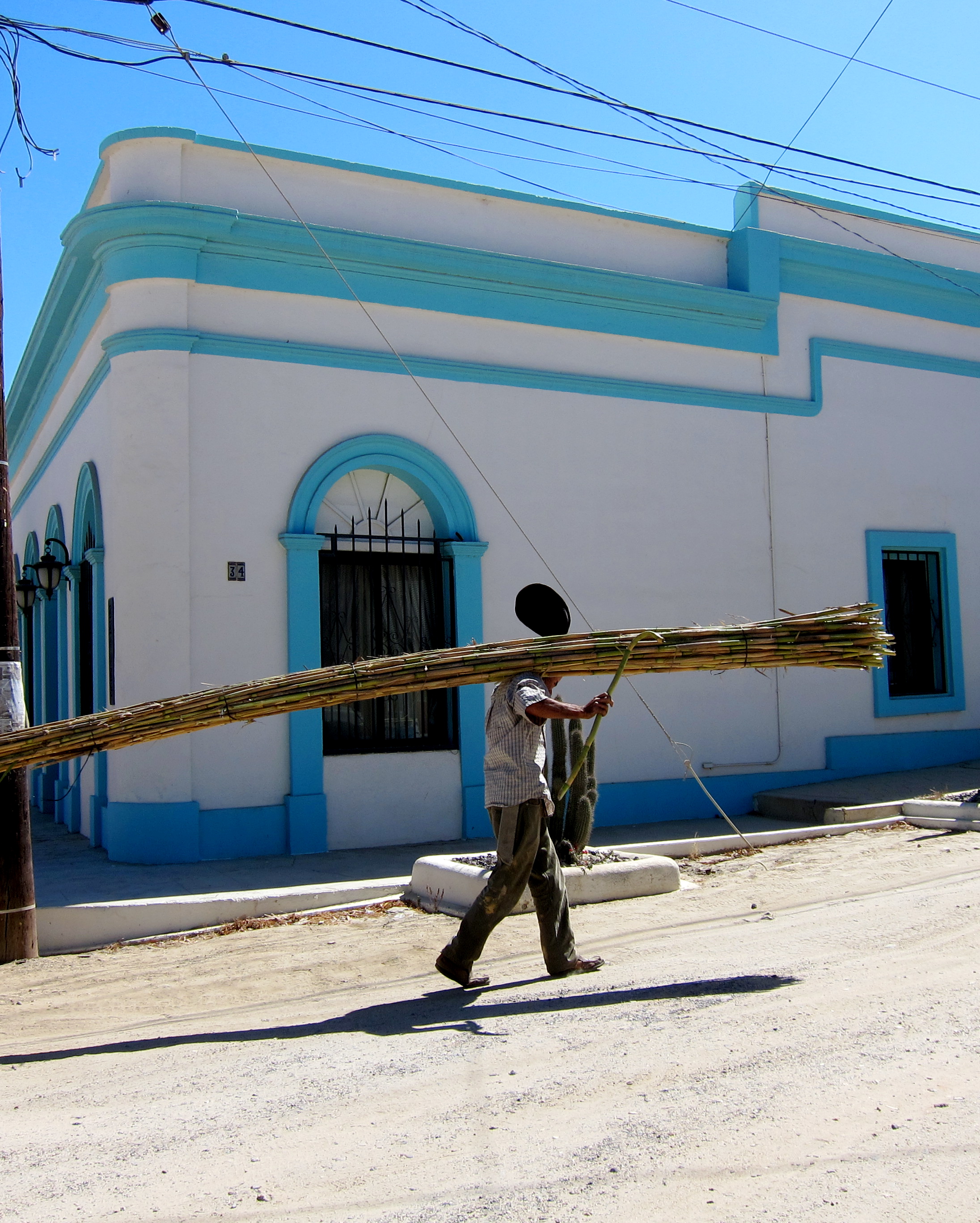
We were staying on the sea near the small town of Todos Santos, on the Baja peninsula. The road leading up to the town was entirely flat and straight and shimmered with that wet heat so beloved of mirages. Either side of us was an ocean of cacti, frozen with dust – imagine stalactites in reverse – with the odd blossom or patch of green as if the landscape was suddenly surprised by something. Loosely tethered horses stood looking at the ground. Nothing else moved, but us. The arrival into Todos Santos is heralded by a banner reading Welcome to Todos Santos, “the magical place”.

These are interesting words, conjuring up the crossing of a threshold, of stepping from one world into another – you walk through the back of a wardrobe and feel the snow underfoot. And entering Todos Santos does have a sensation of time travel. There were pick-up trucks everywhere baked in mud, with kids in the back bouncing up and down on their way to and from school. A child of about four sat helmetless on the front of a motorbike at the one solitary traffic light, her legs wrapped like elastic bands around those of the driver. His movements were dreamlike as he took off, like liquid running slowly through dust.

We found a grocer that sold, amongst other things, eggs, avocados, tomatoes, green tomatillos and garlic. There were mountains of avocados, black, wizened and almost fungally soft. I bought the least mushy. We also bought eggs. I was expecting the avocados to be uneatable. But they were not; behind the skin lay a soft and nutty clay. They were truly gorgeous, a deep, khaki green and I ate them as you would an ice cream in a cup – half-peeled with the ‘peak’ showing, the base sitting in the palm of my hand. I ate avocados all day long from then on, not minding their ‘decaying breast’ appearance.

We ate like this whenever we could; out of hand, from roadside stalls or local shops. We couldn’t pretend to be locals ourselves, but we tried to avoid any obvious tourist spots or hostelries run by sour-looking ex-pats. Apart from avocados, I ate a lot of guacamole. There were different versions of this, ranging from sloppy, almost a slurry of bright and sharp tastes, to thick and smooth like a paste. The one I liked most was all green with no tomato. There was texture from the onion, there was a hint of acid from the lime, there was a kick of freshness from the cilantro and a bloom of warmth; chile perhaps. And of course the divine clay – soft and sweet. I ate it with parrot fish.

IMG_2192

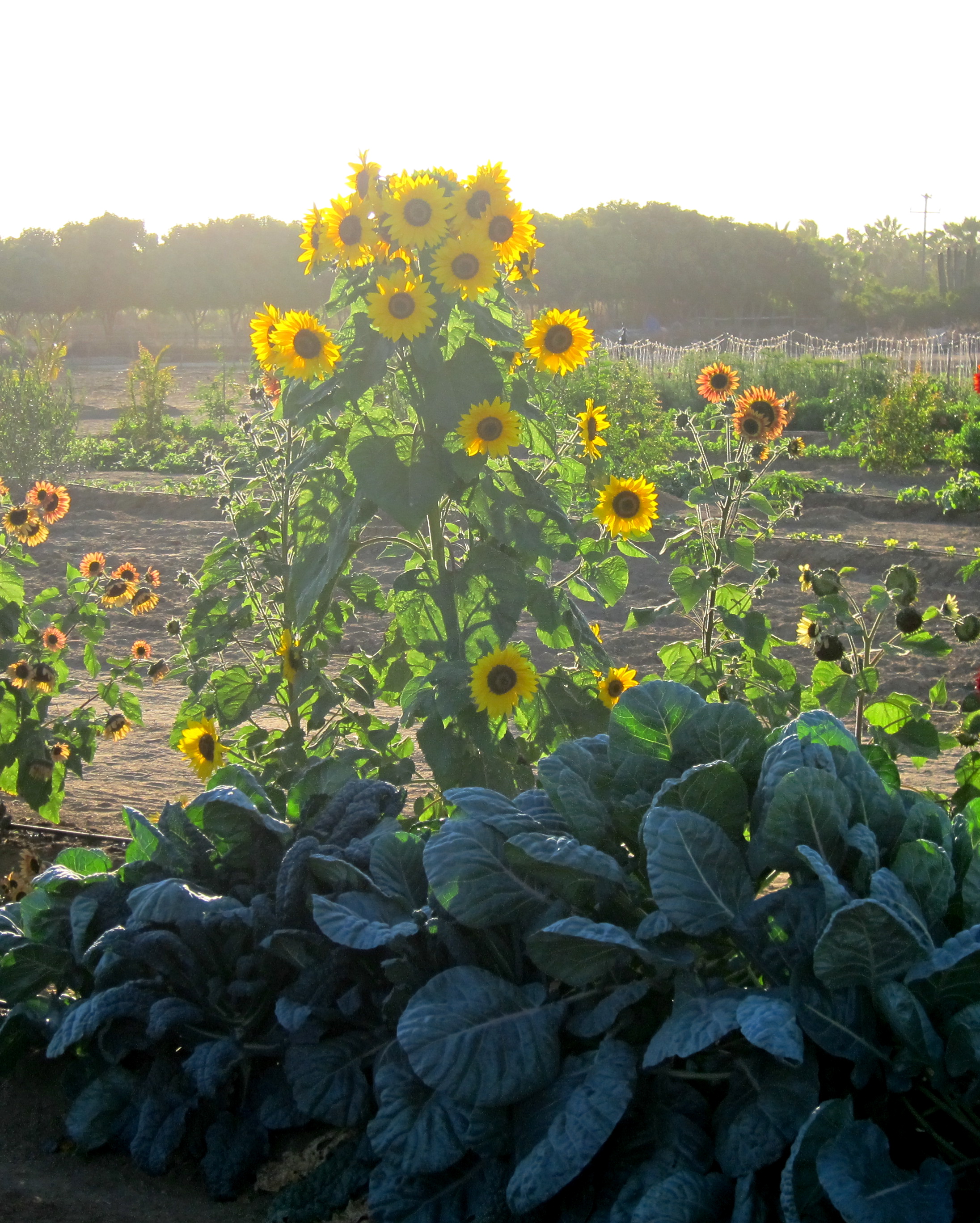
I feel reticent to say it was actually our poshest – by which I mean our most expensive – meal. Everything came directly from the sea in front or from the organic garden in a field leading up to the place. You couldn’t miss it; aubergines, tomatoes, nasturtium, sunflowers, papaya trees, everything trailed and sprouted and stretched up to the sky, happily engorged on sun and regular irrigation. We got out of the car and wandered amongst it all before surfacing to ask about the menu. When we returned properly dressed an hour later, no one recognized us. “We just came here. We asked you about the menu, what the catch of the day was.” “Ah, yes, yes!” etc.IMG_2267

There are some moments that seem purely fantastical to me now: sitting in the square in Todos Santos eating an ice cream and hearing the clack-clack-clack of a typewriter from an open office window. Standing in line at the supermarket and opening the lid on a pot of tamales that was sitting on the conveyor belt. They were apparently for sale (pot not included). A cat with half a lizard in its mouth. Our hitch-hikers – two teenage missionaries from Peru, with starched white shirts and ties, so polite it hurt. The wild white fangs of the sea and the surfers bobbing like seals. I hope I can go back. I hope it really exists.

Classic Mexican guacamole

Adapted from Food 52

& Roberto Santibañez, Truly Mexican

Santibañez believes texture is the key to a good guacamole – “you want to feel everything” – and crushes some of the avocado but leaves the rest in chunks. The pummeled chile, onion, salt and cilantro acts as a sort of thick dressing here.

Half a white onion, finely chopped
1 tbs of serrano or jalapeño chile, including seeds, minced
1/2 teaspoon flaky salt
A large handful of chopped cilantro (coriander), divided
1 large or 2 small ripe Mexican Hass avocados, halved and pitted
A few good squeezes of lime

Makes a medium bowlful

Mash the onion, chile, salt and half of the cilantro to a paste in a molcajete or other mortar. You can also mince and mash the ingredients together on a cutting board with a large knife or a fork, and then transfer the paste to a bowl.

Score the flesh in the avocado halves in a crosshatch pattern (not through the skin) with a knife and then invert into the mortar or bowl. Keep some of the avocado back to add at the end. Toss the guacamole well, then add the rest of the cilantro and avocado and mash briefly and coarsely with a pestle or a fork. Season to taste with lime juice and additional chile and salt (if you like).

IMG_0882
IMG_2303
IMG_2315

Our posh meal was at Rancho Pescadero. If you’re ever in the area, go there.

Share this:

  • Share on X (Opens in new window) X
  • Share on Pinterest (Opens in new window) Pinterest
  • Share on Facebook (Opens in new window) Facebook
  • More
  • Share on Reddit (Opens in new window) Reddit
  • Share on LinkedIn (Opens in new window) LinkedIn
  • Share on Tumblr (Opens in new window) Tumblr
  • Print (Opens in new window) Print
  • Email a link to a friend (Opens in new window) Email
Like Loading...

Yoghurt, a love story

21 Sunday Apr 2013

Posted by Sophie James in Recipe

≈ 13 Comments

Tags

Claudia Roden, Devon, Food, Goats, Ingredients, Labneh, Recipes, Stories, Yoghurt

IMG_2113

When I was growing up, we had goats. Their names were Caramel and Honeybun. They had two kids, but I can’t remember what we called them – I think they were also named after dessert. The goats produced milk, which my mum turned into yoghurt. The yoghurt didn’t set awfully well – there were cracks in it filled with whey. There was often more whey than anything else.

When cold, the yoghurt was fine, but served at room temperature it was as if you were eating the goat’s soul. Warm, bloodless goat, white and liquid and slopping about in the bowl. I believe there was the odd hair. I loved the goats, but they were difficult. They were friendly in an aggressively needy way, a bit like an elderly neighbour who berates you for never visiting. They’d often head-butt us with their knotty foreheads and bleat their metallic tuneless song whenever we approached. I loved their oddly smashed pupils.

In the Seventies in Devon, there were two choices: you grew your own food or you lived on Ski yoghurts, angel cake, Wagon Wheels and frozen carrots. We grew our own things, made our own yoghurt, and accepted it was on another planet to the stuff you could buy. One of the few concessions to the mainstream was an occasional chocolate yoghurt bought from the bakery opposite my school. It was tangy yet sweet and there was a thin layer of darkness where the chocolate had started to solidify. It was magic. This almost made up for the fact that my mother refused to paint her toenails.

IMG_2103

Somewhere around this time, we went to Crete on holiday. There is a photo of my dad with long hair standing by a racing bike and a man who looked like Thelma from Scooby Doo, who no one could ever name. A man in the local corner shop raised his hand to a shelf and brought down a Milky Bar whenever I entered, and a wizened old woman peeled cucumbers into the fire. This had something to do with sex.

There was yoghurt here too. I’m fairly certain it was sheep’s yoghurt and it was white, like snow, and came to us in deep drifts in bowls with honey on top. I ate snails, pulling them from their shells with a special prong. There is a smell, a Greek smell, that I very occasionally get a memory of. There is the sea and then the dried and peeling stucco paint from houses, the smell of heat and sand and oregano. Can you smell colour? If so, it is a pale blue and white side by side.

Then I got ill. This is much later. I was in my mid twenties and living and teaching in London. The goats had been sent to the farmyard equivalent of a nursing home. I was in Earls Court and getting progressively worse day by day, teaching in windowless rooms with a fan to recycle the air, my life an endless round of marking and preparing.

Eventually, Crohn’s disease was diagnosed, an inflammatory bowel condition. I entered a world of herbal tea and rice cakes. apple puree and endless discussions about wheat. I was re-introduced to goat’s milk, now an elixir. Baguettes were out, plus fun.

It took me a long time to get well. I accept it will always be a part of my life, that it is here to stay. I cannot be an evangelist for a certain kind of Crohn’s diet. But I’m careful when I need to be; I pare things back, I cut out sugar.

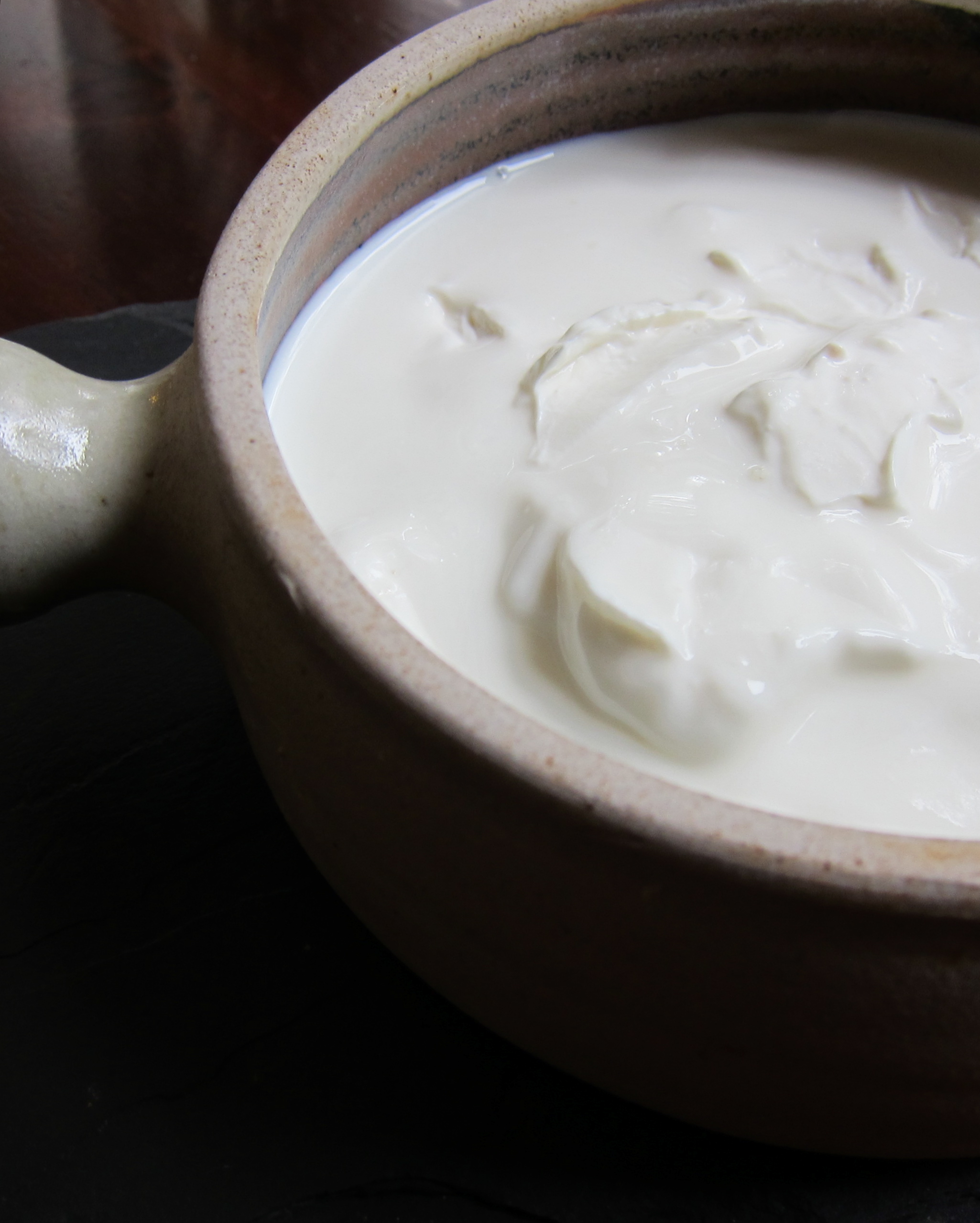
The only thing that has survived it all is the yoghurt. I love the alchemy that takes place under a bare light-bulb in the oven. The taste is unique, and nothing whatsoever like shop-bought. A clean swathe of white brightness – it makes me happy to create it.

Homemade Yoghurt

The basic process is very simple – all you need is a big pot or bowl and a warm place to produce the yoghurt. A candy thermometer here really helps – there are people who do this entirely by feel; I haven’t yet joined their ranks. In a nutshell, you sterilize the milk by heating it, in order to kill the existing bacteria and so it can be fermented by the ‘starter’ yoghurt (Total Greek Yoghurt is good here). Then you have to keep it warm for at least 8 hours so that the culture multiplies and consumes the milk, creating your own yoghurt.

Adapted from Elaine Gottschall, Breaking the Vicious Cycle

Inspired by Claudia Roden, A Book of Middle Eastern Food

2 litres/quarts full fat milk & 125g/1/2 cup plain live yoghurt

1. First, bring the live yoghurt to room temperature. Put the milk into a clean pot, heat it and watch it as it starts to rise, and then simmer for 2 minutes.* The purpose in heating the milk is to kill any bacteria that might be present and interfere with the yoghurt making culture.

*Milk must be heated past 180F (82C) in order to sterilize it, but cow’s milk can tolerate temperatures of up to 212F (100C) while goat’s milk is more delicate and shouldn’t go beyond 185F (85C). This is where a thermometer is helpful.

2. Turn the heat off and allow the milk to cool to between 108F (42C) to 112F (45C) or until you are just about able to stick your finger in the milk and count to ten. Stir well before determining the final temperature. If the milk is too hot when the live yoghurt culture is added, the bacteria may be killed.

3. Beat the yoghurt so that it loosens and looks quite liquid. Pour a little of the milk into the yoghurt and mix thoroughly. Add this slowly to the rest of the milk and mix. Either cover the pot with clingfilm/plastic wrap or its own lid. Now gently place it somewhere warm for 24 hours* (or at least overnight). The airing cupboard is good, or an oven with the light on inside. A heating pad is helpful if you don’t want to give up the oven for that long. You will soon have a lovely softly-set creation; put the pot of yoghurt in the fridge where it will keep for about a week. After the yoghurt has chilled, you can strain it through muslin or cheesecloth to create more of a set, or go further and create yoghurt cheese – otherwise known as Labneh. Don’t throw away the whey; it can be used in soups or baking, and is rich in minerals.

*After 24 hours, the sugar in the milk has been eaten by the bacteria.

IMG_2289

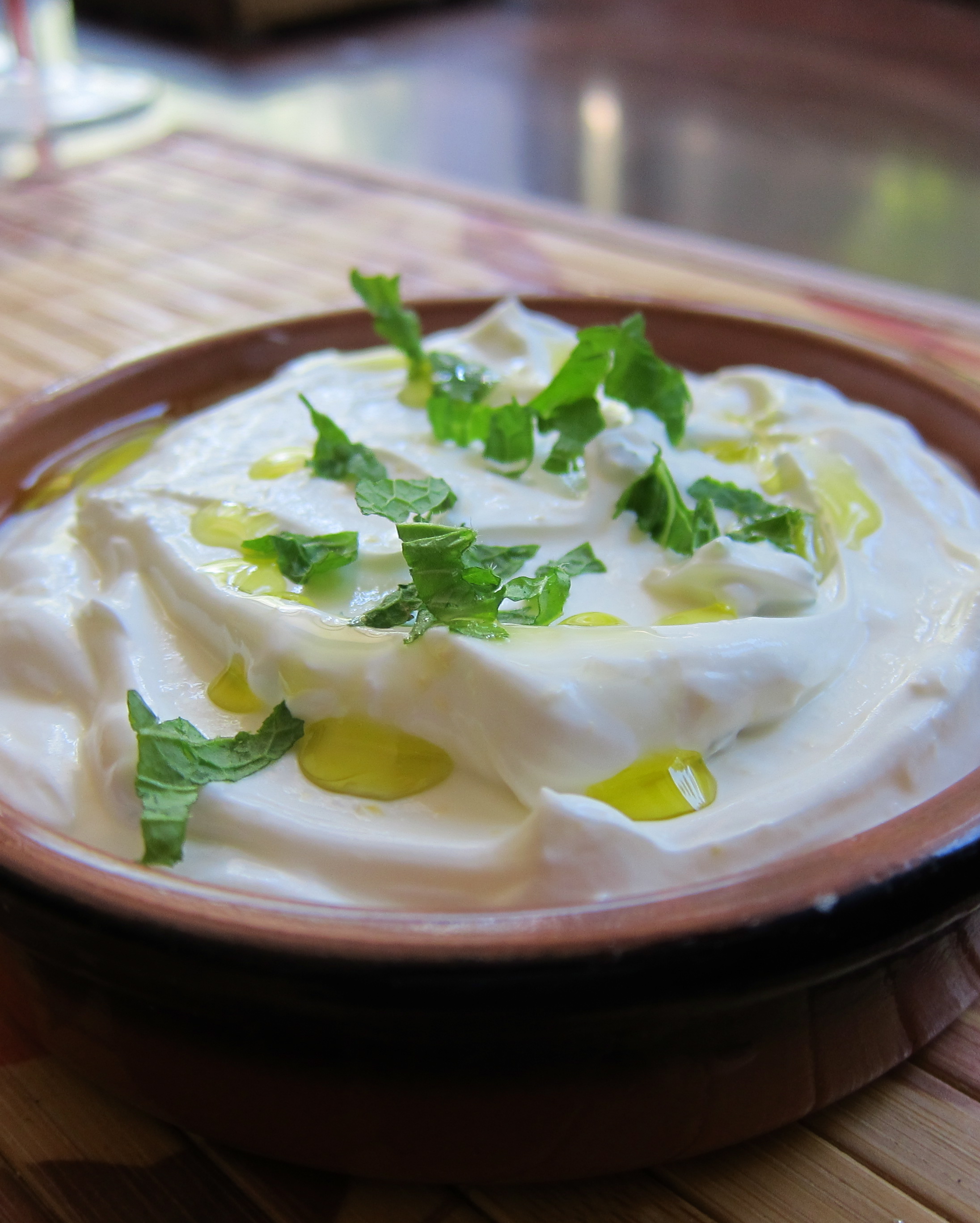
Yoghurt, garlic and mint dip

There are endless variations on this theme. It goes well with so many things; mashed into baked aubergine, poured over the top of French beans, and scooped up and dipped into, as the name suggests. You could experiment with other herbs, such as chives, coriander/cilantro or parsley, or add spices such as paprika and cumin.

200g yoghurt (strained, if you like a thicker texture) 1 garlic clove, smashed and finely chopped, 1/2 teaspoon salt, zest of half a lemon and juice to taste, a handful of chopped mint, with some leaves left whole if you like, olive oil. Mix all the ingredients together until well-combined. Dribble with olive oil. Good with flatbread, aubergine and roast lamb.

Share this:

  • Share on X (Opens in new window) X
  • Share on Pinterest (Opens in new window) Pinterest
  • Share on Facebook (Opens in new window) Facebook
  • More
  • Share on Reddit (Opens in new window) Reddit
  • Share on LinkedIn (Opens in new window) LinkedIn
  • Share on Tumblr (Opens in new window) Tumblr
  • Print (Opens in new window) Print
  • Email a link to a friend (Opens in new window) Email
Like Loading...
← Older posts
Newer posts →

Enter your email address to follow this blog and receive notifications of new posts by email.

Join 2,214 other subscribers

Top Posts & Pages

Swimmingly
A field of fennel
Always winter
Weathered
Battered Blossoms
One year on
Bergamot and Orange Marmalade
Small Crumbs of Comfort
In the street
Recipe List

Recent Posts

  • At my allotment
  • A compendium of sorts
  • Mulberries
  • We are nature
  • Leaving home
  • A treacherous herb
  • Just stop it
  • Why I swim

Great books I’ve read

Blogs/Websites I read

  • Letitia Clark
  • Nigel Slater
  • Room to heal
  • Samantha Harvey
  • Stewart Lee
  • The Kureishi Chronicles
  • The Marginalian
  • Tom Cox
Follow Stories from the Stove on WordPress.com

Archives

  • June 2023
  • February 2023
  • September 2022
  • August 2022
  • July 2022
  • May 2022
  • February 2022
  • December 2021
  • August 2021
  • April 2021
  • March 2021
  • January 2021
  • June 2020
  • November 2018
  • August 2017
  • July 2017
  • May 2017
  • April 2017
  • February 2017
  • January 2017
  • November 2016
  • May 2016
  • October 2015
  • July 2015
  • June 2015
  • April 2015
  • March 2015
  • January 2015
  • December 2014
  • November 2014
  • October 2014
  • September 2014
  • August 2014
  • July 2014
  • June 2014
  • May 2014
  • April 2014
  • March 2014
  • February 2014
  • January 2014
  • December 2013
  • November 2013
  • October 2013
  • September 2013
  • August 2013
  • July 2013
  • June 2013
  • May 2013
  • April 2013
  • March 2013
  • February 2013
  • January 2013
  • December 2012
  • November 2012
  • October 2012
  • September 2012
  • August 2012
  • July 2012
  • June 2012
  • May 2012
  • April 2012
  • March 2012
  • February 2012
"A WOW piece!" Claudia Roden on Walnut Bread

Walnut bread

Lucas’s chocolate marmalade slump

Tags

Afternoon tea Allotment Almonds Art Autumn Baking Bread Breakfast Cafes Cake Childhood Chocolate Christmas Citrus Claudia Roden Cookbook Cooking Dessert Devon Dinner Elizabeth David England Exmoor Fish Food France Fruit Gardening Gelato Gluten-free Herbs Home Homesickness Honey Ice cream Ices Ingredients Italy Jam Jane Grigson Lemons London Los Angeles Lucas Hollweg Marmalade Meat Mediterranean Meyer lemons Nature Nigel Slater Nonfiction Nuts Onions Patience Gray Poetry Pudding Reading Recipe Recipes Salad Sea Seasons Soup Spain Spices Spring Stone fruit Stories Summer Sussex Travel Vegetables Winter Writing Yoghurt

A WordPress.com Website.

Privacy & Cookies: This site uses cookies. By continuing to use this website, you agree to their use.
To find out more, including how to control cookies, see here: Cookie Policy
  • Subscribe Subscribed
    • Stories from the Stove
    • Join 2,082 other subscribers
    • Already have a WordPress.com account? Log in now.
    • Stories from the Stove
    • Subscribe Subscribed
    • Sign up
    • Log in
    • Report this content
    • View site in Reader
    • Manage subscriptions
    • Collapse this bar
 

Loading Comments...
 

    %d